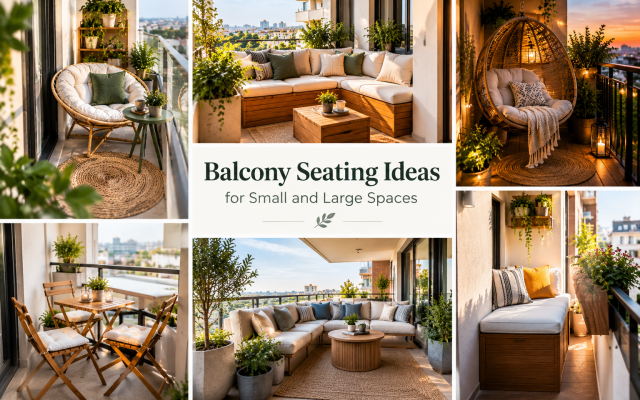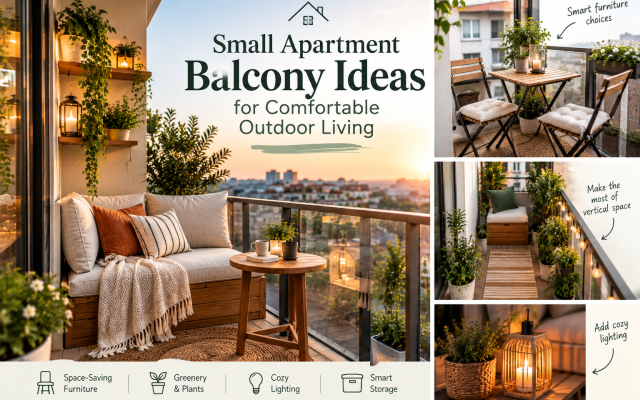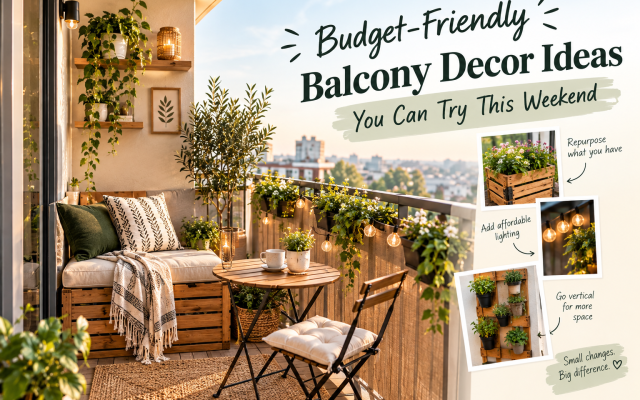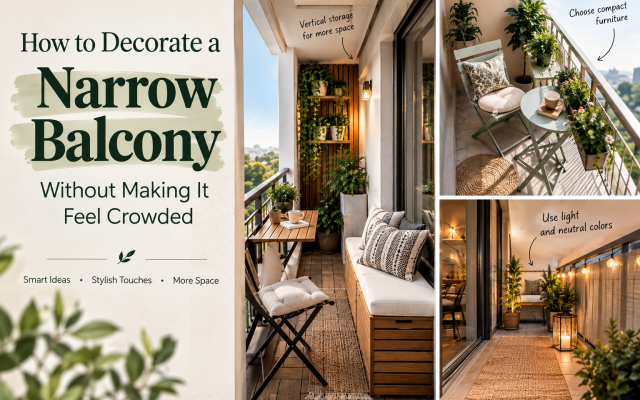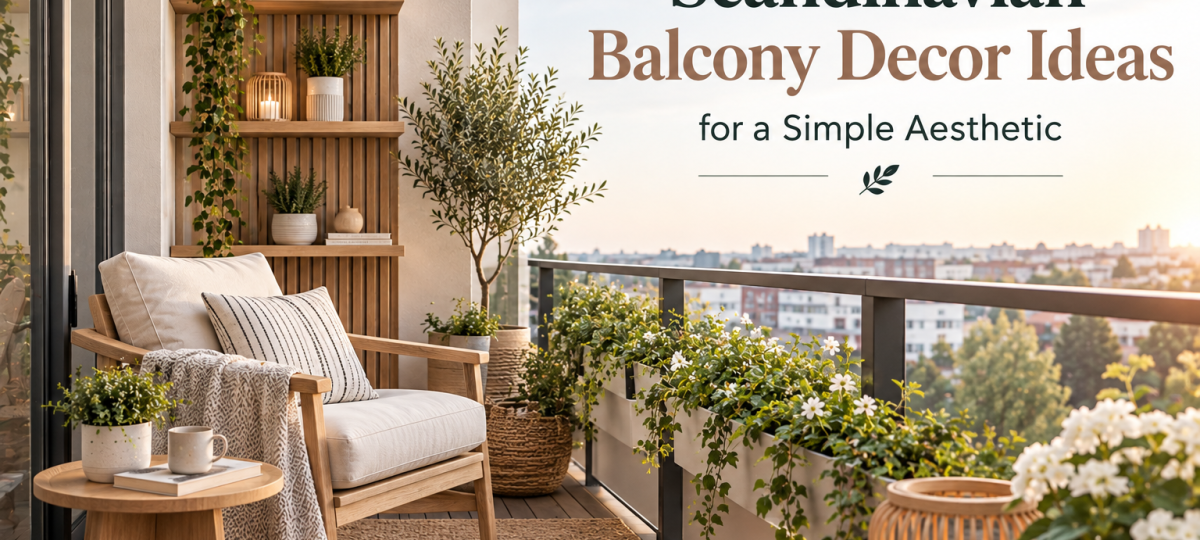
Urban outdoor spaces frequently present distinct architectural friction points. Narrow floor plates, awkward structural protrusions, harsh direct sunlight exposure, and glaring interior sightlines can quickly render an apartment balcony an underutilized dumping ground rather than an intentional sanctuary. When evaluating Scandinavian balcony decor ideas for a simple aesthetic, the objective transcends superficial styling. It requires a meticulous restructuring of spatial psychology, maximizing every square inch of negative space to foster mental decompression. Nordic design principles thrive on reductive clarity, yet the execution demands rigorous attention to tactile pairing and material resilience. If a balcony features cold concrete slabs, exposed galvanized railings, and harsh northern or blinding southern light, introducing warmth without clutter becomes an intricate balancing act. A successful design strategy treats the balcony not as an isolated exterior afterthought, but as a deliberate architectural continuation of the indoor living envelope. By manipulating visual weight, softening hard vertical planes with organic textiles, and curating a monochromatic or muted earthy color palette, even the most compact urban ledge transforms into a functional, highly atmospheric retreat. Achieving this level of refinement requires balancing minimalism with lived-in comfort, ensuring every single element serves a distinct ergonomic or aesthetic purpose.
Foundational Spatial Planning and Proportion Management
Before introducing decorative elements, a comprehensive spatial audit must govern the design process. Urban balconies demand absolute respect for circulation paths and physical scale. Overcrowding a small footprint with oversized furniture disrupts visual flow and makes the architecture feel even more restrictive. The primary rule involves establishing a singular focal anchor, such as a streamlined bistro set or a low-profile lounge bench, allowing secondary accessories to layer naturally around it.
Balancing Visual Weight and Sightlines
Visual weight dictates how heavy an object appears within a field of vision. Heavy, dark wood or dense wrought iron furniture can instantly overwhelm a modest balcony, whereas slender powder-coated steel frames or pale white oak structures maintain transparency, allowing the eye to travel through the pieces and perceive a larger volume of space. Maintain clear sightlines from the interior living room out to the horizon. Avoid placing tall planters directly in front of sliding glass door centers, as this fragments the architectural connection between the interior and exterior environments.
Material Specifications for Nordic Outdoor Living
| Material Category | Recommended Species or Finish | Durability Rating | Maintenance Protocol |
|---|---|---|---|
| Flooring (Interlocking Tiles) | Thermo-treated Ash or Composite | High (Rot and UV resistant) | Annual oil treatment for natural wood; pressure wash composite bi-annually. |
| Seating Frames | Electro-galvanized Steel or Teak | Exceptional | Wipe with damp cloth; apply teak sealer to retain blonde hue if desired. |
| Textiles | Solution-dyed Acrylic or Heavy Linen | Moderate to High | Store indoors during heavy precipitation; machine wash gentle cycle. |
Color Theory and Tonal Layering in Nordic Balconies
The Scandinavian aesthetic rejects stark, sterile environments in favor of atmospheric depth achieved through nuanced tonal layering. A simple aesthetic does not mean an absence of color; rather, it relies on a sophisticated, restrained palette drawn from the Nordic natural landscape. Think of bleached driftwood, weathered slate, foggy morning grays, and the warm undertones of unglazed terracotta.
- Base Neutrals: Soft ivories, chalky whites, and pale greige establish an expansive foundation that bounces natural light deeper into adjacent interior spaces.
- Secondary Tones: Muted olive greens, dusty charcoals, and warm clay accents ground the composition, preventing the space from feeling clinical or uninviting.
- Contrast Elements: Matte black hardware, slender railing planters, and dark steel light fixtures provide sharp, graphic definitions that anchor the muted background.
When applying this palette to a small balcony, limit the color transitions to maintain architectural cohesion. The goal is to create a seamless visual gradient that softens the boundary between the building structure and the outdoor elements.
Tactile Pairings and Materiality
Because minimalist spaces rely on fewer items to create impact, the tactile qualities of those chosen items must carry the narrative. Flat, synthetic materials destroy the illusion of effortless luxury. Instead, pair contrasting textures to stimulate sensory engagement without adding visual clutter.
- Hard-Soft Juxtaposition: Combine rigid, cold concrete or steel balcony railings with soft, heavy-weight wool throws and weather-resistant linen seat cushions.
- Organic Roughness: Introduce unglazed ceramic planters with coarse, porous surfaces alongside smooth, polished glass candle lanterns.
- Natural Grain: Utilize brushed or wire-brushed wood finishes on decking tiles or small accent tables to expose the natural growth rings and grain patterns.
Never ignore the underside of your balcony architecture. Sealing concrete floors with a matte, breathable masonry sealer protects the structural slab while providing a clean, monolithic canvas for layered outdoor textiles and modular decking tiles.
Illumination Strategies for Atmosphere and Function
Lighting transforms a balcony from a daytime-only alcove into an intimate nighttime escape. Relying on a single overhead building light source ruins the atmosphere. Instead, implement a multi-layered illumination plan that balances ambient glow, task utility, and subtle accent points.
Ambient Lighting Layers
Ambient illumination establishes the base mood of the space. Opt for rechargeable, portable LED lanterns with warm color temperatures sitting around 2700 Kelvin. These units eliminate unsightly cords and can be repositioned easily. Place them low to the ground or on tabletops to cast a soft, welcoming glow upward.
Accent and Architectural Lighting
Highlight architectural features or greenery using discreet, battery-operated spot lamps aimed upward at structural plantings or trailing ivy. String lights, when utilized, should feature oversized, matte bulbs rather than tiny twinkling fairy lights, maintaining a mature, architectural language that avoids a holiday aesthetic.
Greenery and Botanical Integration
Plants act as living sculptures in a minimalist Scandinavian design scheme. They introduce organic asymmetry, soften harsh corners, and provide essential acoustic dampening against urban traffic noise. However, plant curation must remain intentional. Overfilling a small balcony with dozens of mismatched pots creates visual chaos.
Select large statement vessels rather than an army of small plastic containers. Group planters in odd numbers, varying their heights to create dynamic vertical rhythms. Recommended botanical choices include dwarf conifers, ornamental grasses that sway rhythmically in urban breezes, hardy ferns, and cascading trailing vines like sweet potato vine or English ivy. Ensure all pots feature proper drainage layers and saucers to protect the underlying balcony membrane from standing water damage.
Frequently Asked Questions About Scandinavian Balcony Decor Ideas for a Simple Aesthetic
How do I make a tiny apartment balcony look larger using Scandinavian design principles?
To maximize perceived space, focus on continuity and transparency. Choose furniture with slender legs that reveal the floor beneath, keeping sightlines open. Use a neutral, monochromatic color palette for flooring and walls to blur boundaries. Avoid heavy rugs that chop up the floor plan; instead, opt for bare wooden decking tiles or a single, long runner that elongates the perspective.
What are the best weather-resistant materials for Nordic-style outdoor furniture?
Powder-coated aluminum, electro-galvanized steel, and sustainably harvested teak or thermo-treated ash represent the gold standard for Nordic outdoor environments. These materials withstand drastic temperature fluctuations, high humidity, and intense UV exposure while maintaining their structural integrity and clean architectural lines without requiring excessive seasonal maintenance.
How can I incorporate privacy into an open apartment balcony without ruining the minimalist aesthetic?
Privacy screens must maintain visual lightness. Rather than solid, opaque plastic barriers, utilize slatted vertical wood panels crafted from pale timber, or install weather-resistant linen drapery panels on sleek, ceiling-mounted stainless steel tracks. Alternatively, line the perimeter railing with tall, dense ornamental grasses in elongated rectangular planters to create a living green screen that filters views naturally.
How do I protect my Scandinavian balcony decor elements during harsh winter months?
Protecting your investment requires proactive seasonal transition protocols. Store soft furnishings, linen cushions, and delicate ceramic pieces in indoor storage bins. Treat exposed wooden furniture and decking with a protective, breathable oil sealant before the first freeze. Invest in custom-fitted, waterproof, breathable fabric covers for metal seating and structural tables to prevent moisture pooling and oxidation during snow or heavy rain.