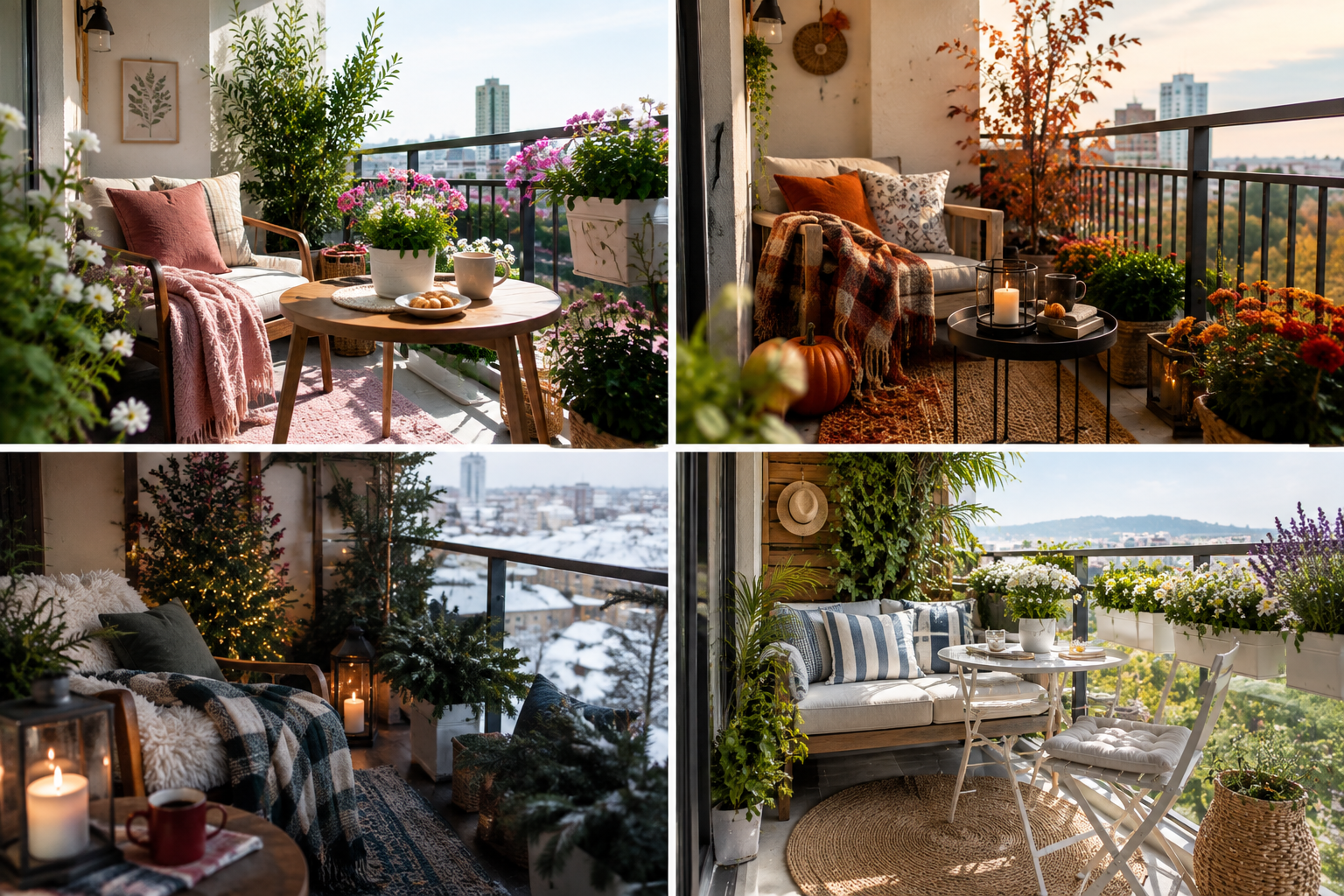
Most urban apartments and suburban homes feature compact exterior footprints that sit dormant for months at a time, serving as little more than storage zones for bicycles or drying racks. When you master how to turn an unused balcony into a cozy outdoor room, you effectively reclaim missing square footage and bridge the psychological gap between interior architecture and the elements. Architectural constraints such as wind tunnels, harsh sun exposure, awkward structural columns, and zero privacy often discourage homeowners from engaging with these exterior zones. Overcoming these hurdles requires treating the balcony not as an afterthought, but as a deliberate extension of your primary living space. By balancing visual weight, controlling light behavior, and introducing tactile layers that soften hard concrete slabs, you can establish an intimate micro-climate. Successful exterior design hinges on understanding how materials weather, how circulation paths dictate furniture scale, and how to introduce multi-layered illumination that transforms a pitch-black ledge into an inviting evening retreat.
Spatial Programming and Structural Assessment
Before selecting a single textile or purchasing decorative accessories, you must evaluate the load-bearing capacity of your balcony and map out its functional zones. Every exterior architectural element has a structural limit regarding live loads, which dictates whether you can introduce heavy terracotta planters, solid timber sectionals, or massive water features. Consult your building management guidelines or architectural blueprints to verify weight restrictions before committing to heavy architectural elements.
Circulation paths form the backbone of functional design. In tight footprints, every square inch counts, making negative space just as valuable as furnished areas. Maintain a clear traffic lane from the interior threshold to the outer railing so the transition feels effortless rather than obstructed. Avoid blocking outward-swinging doors or sliding glass panels with oversized accent chairs.
Sun exposure and micro-climate patterns dictate how you will experience the space throughout the day. South-facing and west-facing balconies receive intense solar radiation, requiring UV-resistant fabrics, cooling neutral undertones, and substantial shade structures. North-facing balconies remain shaded and damp, necessitating fast-drying materials and mildew-resistant finishes that prevent moisture retention. Wind mitigation is equally critical on high-rise ledges; lightweight plastic furniture or unsecured accessories become hazardous project items when subjected to high-altitude gusts.
Material Selection and Tactile Pairing
Balconies demand materials engineered to endure extreme temperature fluctuations, driving rain, and UV degradation without sacrificing tactile warmth. When curating your material palette, contrast is essential to prevent the space from feeling flat or sterile. Pair rough, porous textures with smooth, refined finishes to create visual depth.
Flooring sets the foundational tone for the entire exterior room. Traditional exposed concrete feels cold and industrial underfoot, but modular decking systems offer an immediate architectural upgrade without requiring permanent structural alterations.
| Material Type | Best Application | Maintenance Requirements | Durability Rating |
|---|---|---|---|
| Interlocking Teak Tiles | Flooring | Annual oiling to preserve golden hue; power washing biannually. | High |
| Powder-Coated Aluminum | Furniture frames | Wipe down with mild soap and water seasonally. | Very High |
| Solution-Dyed Acrylics | Upholstery and cushions | Spot clean with bleach solution; machine washable covers. | High |
| Natural Rattan or Wicker | Accent seating | Keep sheltered from direct, torrential rain; condition fibers. | Moderate |
When selecting soft furnishings, prioritize performance textiles that mimic the tactile softness of indoor velvet or linen while offering industrial-grade resilience against fading and moisture. Integrate metallic finishes, such as brushed brass or blackened steel, through lighting fixtures and hardware to add sophisticated contrast against organic timber and stone surfaces.
Never place untreated indoor furniture on an open balcony. Even covered exterior spaces experience high humidity and condensation cycles that cause interior-grade glues to fail, wood panels to warp, and steel fasteners to rust within a single season.
Step-by-Step Transformation Workflow
Executing a seamless balcony transformation requires a disciplined sequence of events that prevents costly mistakes and ensures every layer builds cohesively upon the last.
- Deep Clean and Structural Repair: Scrub the concrete slab, clear out dust and debris, inspect drainage grates to prevent standing water, and address any peeling paint on exterior walls.
- Install Surface Upgrades: Lay down interlocking wooden deck tiles or outdoor performance rugs to anchor the visual plane and provide a comfortable tactile surface for bare feet.
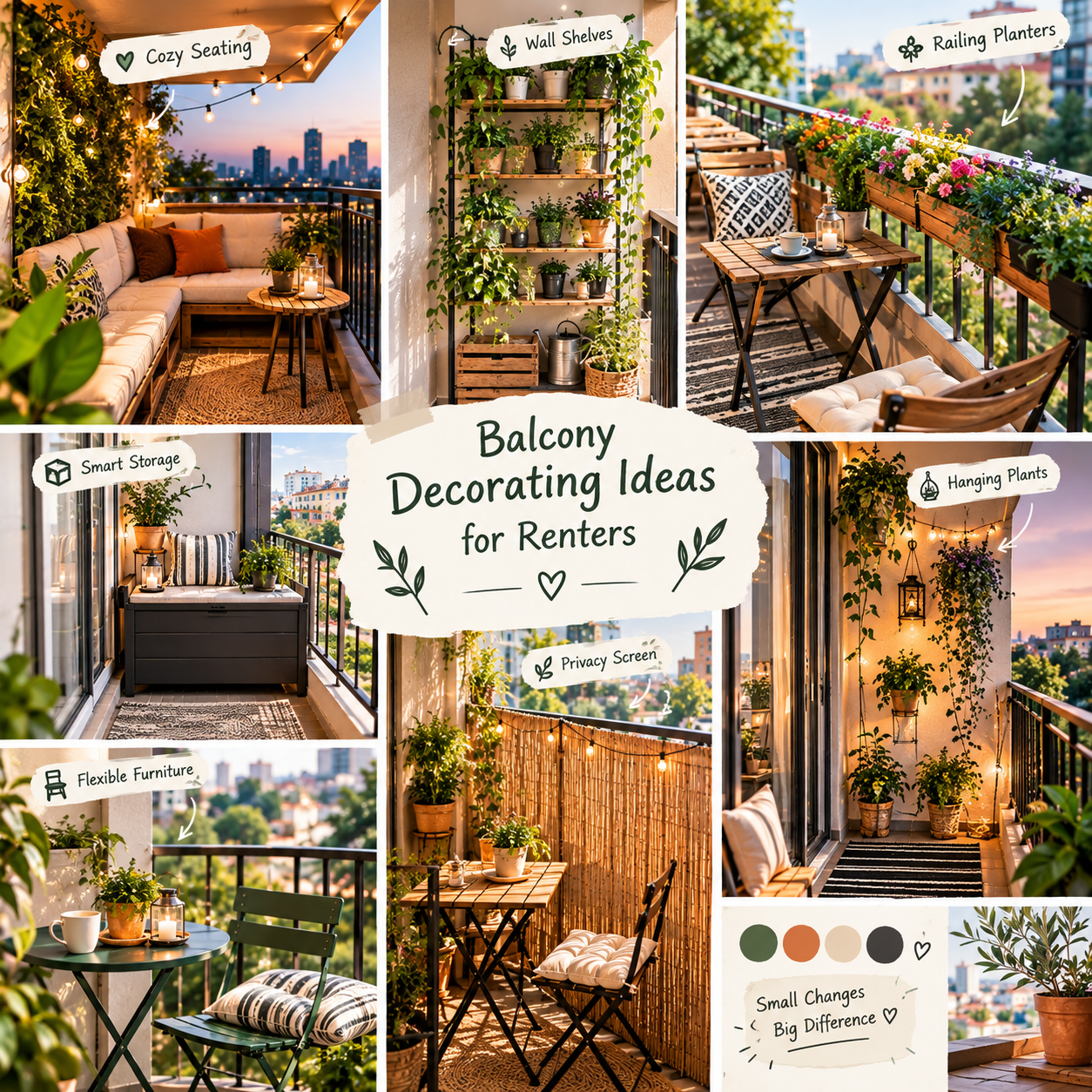
- Address Privacy and Vertical Planes: Mount bamboo screening, outdoor drapery tracks, or trellises along ugly railings or adjacent brickwork to block undesirable sightlines from neighbors.
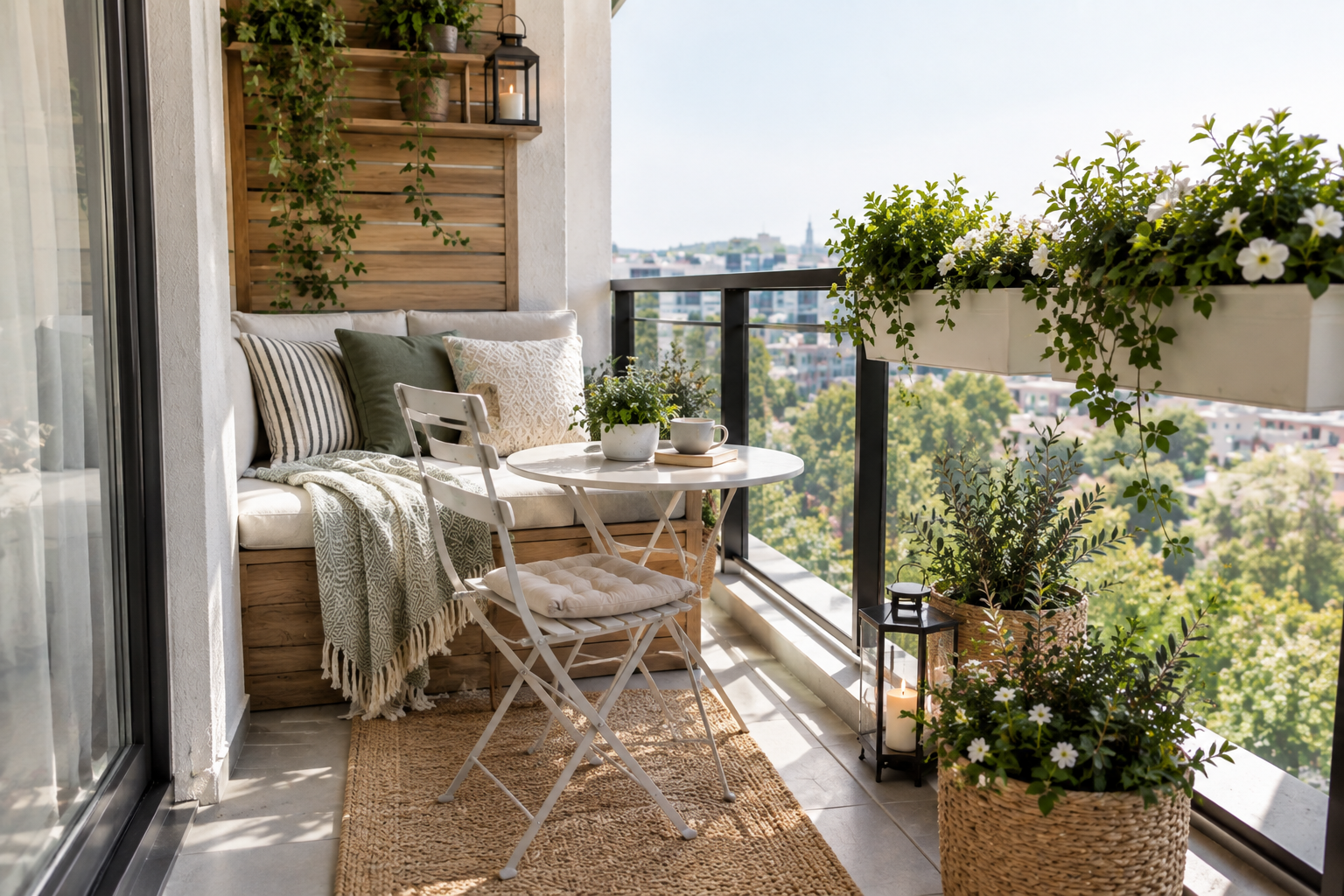
- Position Focal Anchor Furniture: Place your primary seating element, such as a compact loveseat or a pair of lounge chairs, angled to maximize pleasant views rather than directly facing a blank wall.
- Layer Soft Furnishings and Greenery: Introduce weather-resistant floor cushions, throw blankets, and a curated mix of vertical and potted plants to establish organic rhythm and scale.
- Integrate Illumination: Mount wall sconces, string up low-voltage fairy lights, and place heavy ceramic lanterns around the perimeter to craft a warm nighttime ambiance.
Focal Anchors and Furniture Scale
One of the most common pitfalls in exterior styling is selecting furniture that overpowers the physical scale of the architecture. Bulky, deep-seated suburban sectionals swallow every available inch of a standard apartment balcony, killing circulation and making the area feel claustrophobic. Instead, rely on scaled-down silhouettes with exposed legs that lift the furniture visual weight off the floor, creating an illusion of expansive negative space.
Establish a singular focal anchor to prevent the eye from wandering aimlessly across a cluttered layout. This anchor could be an architectural planter filled with cascading ornamental grasses, a sculptural outdoor lounge chair upholstered in a bold geometric pattern, or an artisan bistro table. Every other decorative element in the space should support this primary focal point rather than compete with it.
- Use multifunctional furnishings, such as storage ottomans that double as extra seating or nesting side tables that tuck away when not in use.
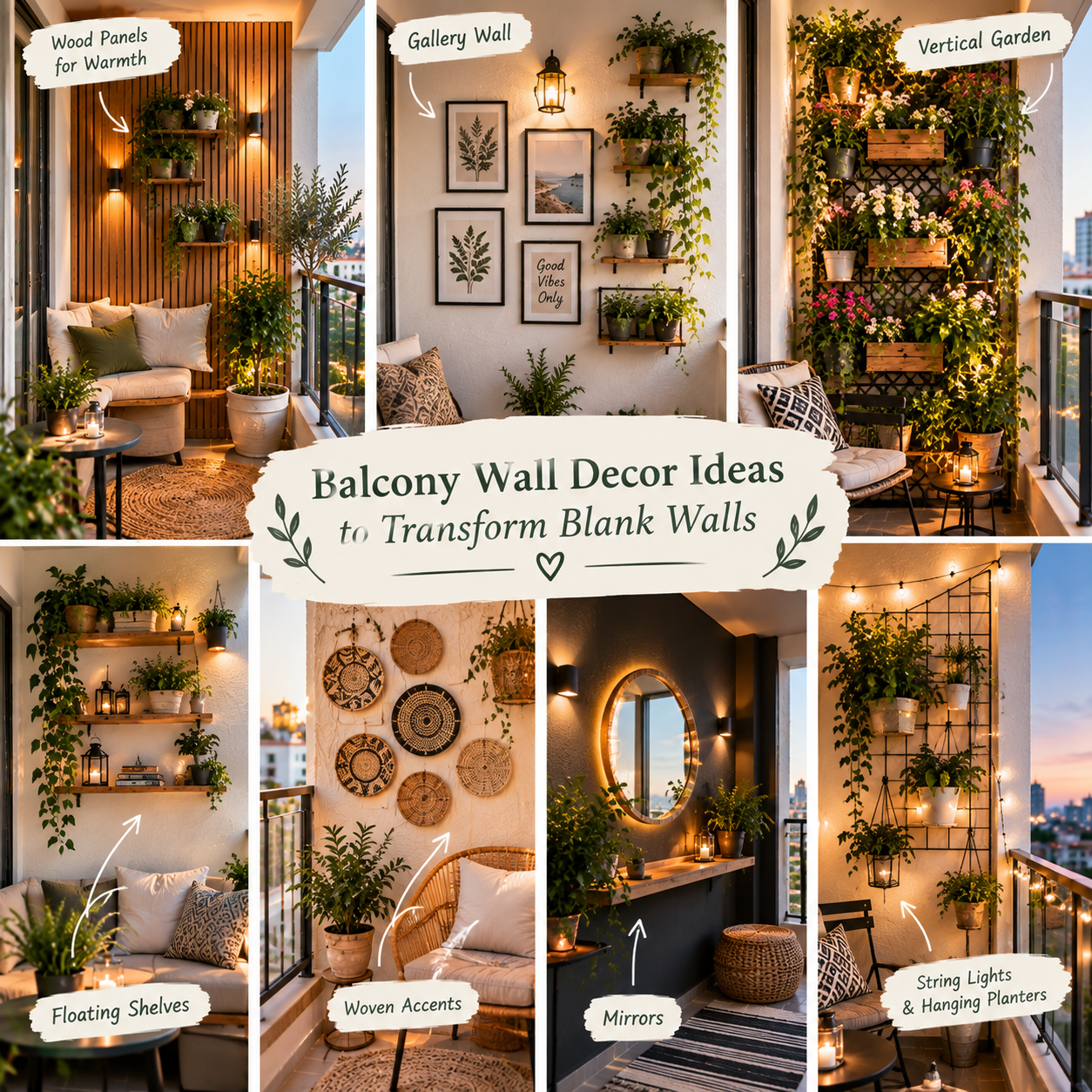
- Incorporate vertical shelving units or wall-mounted ledges to house trailing plants and decorative objects without sacrificing floor space.
- Select round or oval tables instead of square or rectangular options to improve flow and eliminate sharp, aggressive corners in tight circulation paths.
- Hang an outdoor-rated mirror on an exterior wall to bounce ambient light around the balcony and trick the eye into perceiving doubled depth.
Multi-Layered Illumination Strategies
Lighting dictates the mood of your outdoor room after dusk, shifting the environment from a daytime reading nook into an intimate evening lounge. Relying on a single harsh overhead bulkhead light destroys the cozy atmosphere. Successful lighting design requires a tripartite approach combining ambient, task, and accent layers.
Ambient Lighting Foundations
Ambient light provides the overall baseline illumination for the space, ensuring safe navigation without feeling blinding. Weatherproof string lights woven through overhead rafters, subtle step lights embedded in deck risers, or glowing LED floor spheres cast a gentle, diffused glow that mimics the warmth of twilight. Opt for warm color temperatures ranging between 2400K and 2700K to maintain an inviting, domestic aesthetic.
Task and Accent Illumination
Task lighting focuses on functional zones, such as reading areas or dining surfaces. Portable, rechargeable LED table lamps offer incredible flexibility, allowing you to move light sources wherever needed without wrestling with unsightly extension cords. Accent lighting highlights architectural details, structural plants, or textured feature walls. Position waterproof uplights at the base of tall structural plants, such as bamboo or olive trees, to cast dramatic shadows against exterior walls and deepen the perceived volume of the space.
Acoustic Dampening and Sensory Design
An outdoor room must engage all five senses to feel truly luxurious and secluded from the urban environment. City balconies often suffer from noise pollution, traffic hums, and harsh winds. Introducing acoustic dampening elements changes the auditory character of the space, turning a loud concrete box into a tranquil sanctuary.
Soft surfaces absorb sound waves rather than reflecting them. Thick, high-pile outdoor rugs, dense foliage arrangements, upholstered seating, and outdoor acoustic panels disguised as decorative wall hangings all contribute to noise reduction. Additionally, the inclusion of a subtle water feature, such as a wall-mounted fountain or a self-contained basalt column, generates white noise that masks street sounds.
Olfactory design is equally vital. Planting aromatic herbs like lavender, rosemary, and mint in perimeter boxes releases soothing scents when brushed against by a passing breeze or warmed by the afternoon sun. Layering these sensory experiences ensures that your newly designed outdoor room feels completely detached from the chaotic world just beyond the railing.
Frequently Asked Questions About How to Turn an Unused Balcony Into a Cozy Outdoor Room
What are the best plants for a windy, high-rise balcony?
High-rise balconies experience severe wind velocity that can snap delicate stems and dry out soil rapidly. The best plant varieties for these challenging conditions include tough, resilient species with thick or needle-like leaves that retain moisture. Consider utilizing ornamental grasses such as blue fescue, dwarf conifers, boxwood shrubs, succulent varieties, and robust herbs like rosemary. Always plant them in heavy terracotta or fiber-stone containers that will not tip over during heavy gusts.
How can I create privacy on a balcony overlooked by neighbors?
Visual privacy is achievable without building permanent or illegal architectural partitions. Freestanding slatted wood screens, bamboo roll fencing secured to existing railings, and weather-resistant outdoor curtains hung from an overhead awning create instant seclusion. Alternatively, you can use tall, narrow planters filled with upright evergreen plants like Italian cypress or bamboo to form a living green wall that blocks undesirable sightlines naturally.
What flooring options work best over ugly concrete balcony slabs?
Interlocking deck tiles made from teak, acacia, or composite materials provide the most transformative and renter-friendly solution for ugly concrete slabs. These modular tiles snap together easily without requiring glue or professional installation, and they feature built-in drainage channels underneath that allow rainwater to escape freely. If you prefer a softer underfoot feel, layered outdoor performance rugs woven from recycled plastics offer exceptional durability and vibrant texture.
How do I protect my outdoor furniture during winter or heavy storms?
Protecting your investment requires a combination of smart material choices and targeted weatherization practices. Invest in custom-fitted, breathable, waterproof furniture covers featuring secure drawstrings to prevent wind from ripping them off. Cushions and soft textiles should be stored in weatherproof deck boxes or brought inside during prolonged periods of freezing rain or snow. For metal and wooden frames, apply protective sealants and waxes at the end of every autumn season to lock out moisture and prevent corrosion.