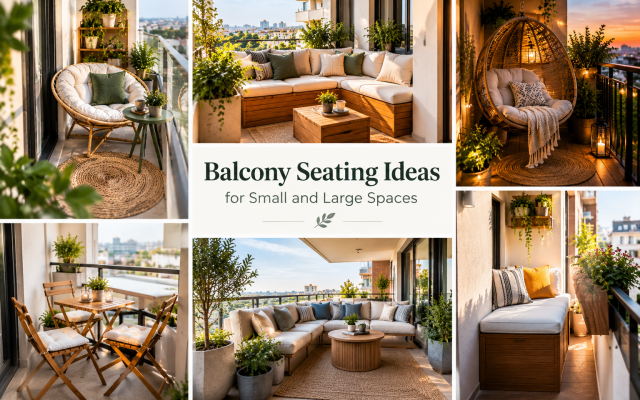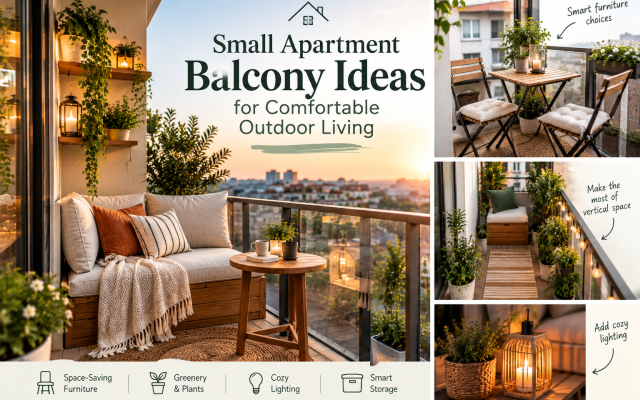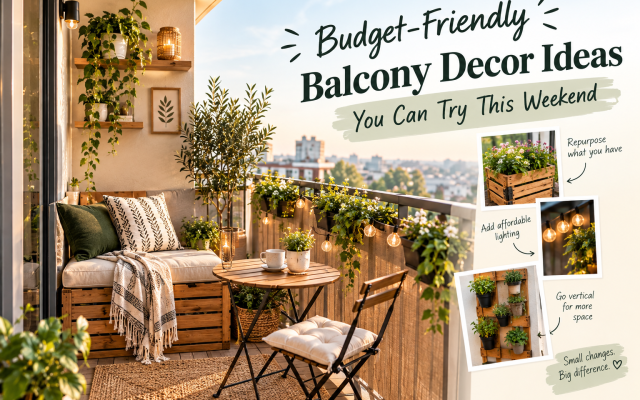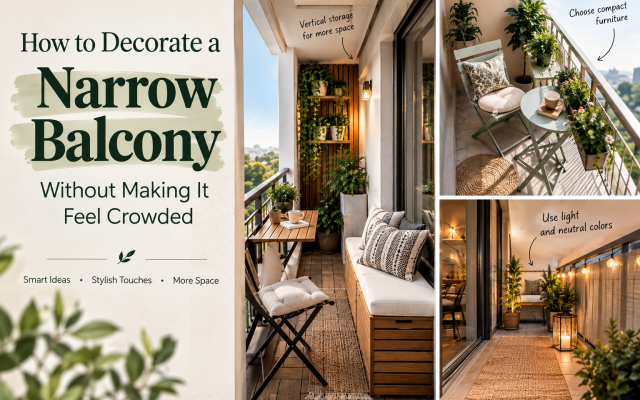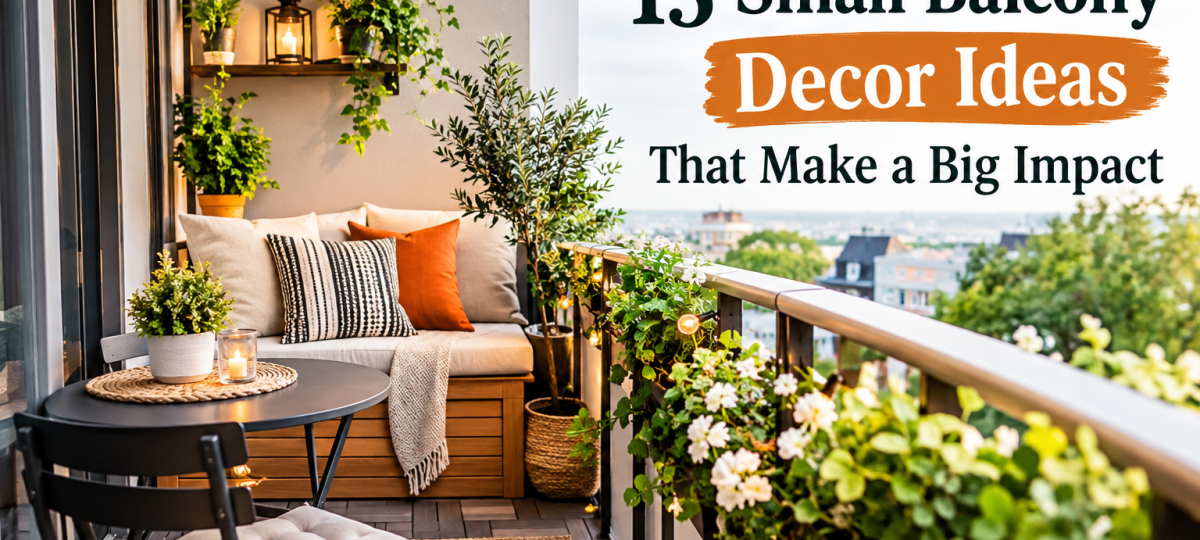
Transforming a compact outdoor footprint requires a strategic shift away from filling space toward editing elements for maximum visual weight. Urban apartments often feature neglected outdoor annexes that suffer from awkward proportions, harsh direct sunlight, and compromised privacy. Successfully executing 15 small balcony decor ideas that make a big impact relies entirely on understanding how to manipulate sightlines, balance contrasting textures, and respect strict structural weight loads. When square footage is limited to a few square meters, every single design choice must serve multiple functions without causing spatial congestion or blocking natural light from entering the main interior living areas. Interior designers and architectural consultants know that a successful exterior micro-room does not mimic a sprawling patio. Instead, it operates as a curated jewel box where meticulous material selection, intentional color undertones, and layered illumination combine to dissolve the boundary between inside and outside. Addressing these architectural constraints successfully unlocks the hidden potential of even the narrowest cantilevered concrete slabs or recessed loggias, turning them into highly functional, restorative daily sanctuaries.
Establishing Spatial Flow and Circulation Paths
Before introducing any decorative elements, evaluating the physical circulation paths and door swing clearances is mandatory. Overcrowding a small balcony restricts movement and makes the entire apartment feel smaller by interrupting the interior sightlines. Maintaining a clear visual corridor from the living room out to the perimeter railing keeps the space feeling expansive and open. Every furniture piece must be selected with precise dimensional awareness, prioritizing low-profile silhouettes and items that can be easily tucked away when not in use.
Prioritizing Multi-Functional Furnishings
Bulky lounge chairs destroy the ergonomic flow of a micro-balcony. Instead, select storage benches upholstered in weather-resistant performance fabrics that provide both a seating surface and a concealed vessel for seasonal textiles and gardening tools. Folding bistro sets crafted from powder-coated steel or sustainably harvested teak offer flexibility, allowing the footprint to shift from a dining setup to an open yoga space within seconds. Wall-mounted drop-leaf tables attached directly to the exterior wall eliminate the need for floor-supporting legs entirely, drastically increasing the perception of available floor space.
Managing Visual Weight and Negative Space
Visual weight refers to how heavy a physical object appears to the human eye based on its color, mass, and opacity. Heavy, solid concrete planters placed in every corner will visually anchor and shrink a compact balcony. Balancing these elements requires preserving deliberate patches of negative space where the eye can rest. Incorporating perforated metal screens, slender wire-frame plant stands, and transparent acrylic or tempered glass accessories prevents visual blockages and maintains an uninterrupted flow of air and light across the balcony.
Integrating Layered Illumination for Nighttime Ambience
Lighting transforms a balcony from a purely daytime feature into an atmospheric extension of the evening living space. Relying on a single overhead bulkhead light creates harsh shadows and flattens the texture of carefully chosen materials. A sophisticated lighting scheme incorporates ambient, task, and accent layers to add depth, dimension, and warmth after sunset.
Ambient and Task Lighting Solutions
Ambient illumination establishes the baseline visibility and mood of the space. Hardwired sconces installed by a licensed electrician offer a permanent, upscale architectural solution, while high-end rechargeable LED table lamps provide flexible, cord-free illumination that can shift from the coffee table to the floor. Task lighting is equally vital if the balcony is used for reading or container gardening after dark, and can be achieved through discreet, adjustable spotlighting directed toward specific planting zones or reading corners.
Accent and Architectural Lighting Techniques
Accent lighting highlights specific design features, such as the vertical grain of a timber slat wall or the trailing foliage of a hanging fern. Warm-toned LED strip lights tucked underneath built-in bench seating create a floating effect, making the floor area appear larger than it actually is. Solar-powered lanterns placed strategically among planters add flickering warmth without the safety hazards associated with open flames in tight wind-prone environments.
Materiality, Durability, and Tactile Layering
Outdoor micro-climates subject materials to extreme thermal fluctuations, moisture, and ultraviolet degradation. Selecting finishes that age gracefully while resisting environmental wear is essential for maintaining a high-end editorial aesthetic. Combining rough natural textures with smooth, refined surfaces generates tactile interest without requiring excessive ornamentation.
| Material Category | Best Application | Durability & Maintenance | Aesthetic Impact |
|---|---|---|---|
| Teak & Ipe Wood | Flooring tiles, wall cladding, slim furniture | High resistance to rot; requires periodic oiling to retain color. | Introduces organic warmth and natural patina over time. |
| Powder-Coated Aluminum | Railing planters, structural frames, bistro chairs | Rust-proof, lightweight, and exceptionally durable against UV rays. | Provides clean lines and modern, matte color finishes. |
| Solution-Dyed Acrylics | Outdoor cushions, throw pillows, Roman shades | Resistant to mold, mildew, and fading from direct sunlight. | Softens hard architectural lines with rich color and pattern. |
| Terracotta & Ceramic | Planter vessels, decorative wall plaques | Porous material susceptible to frost cracking in freezing winters. | Delivers earthy Mediterranean texture and classical grounding. |
Vertical Greening and Living Walls
When horizontal square footage is non-existent, the vertical plane becomes the ultimate canvas for maximizing impact. Installing vertical garden pockets or trellises against an exterior brick wall allows climbing plants like star jasmine or ivy to draw the eye upward, creating the illusion of soaring ceiling heights. Railing-mounted planter boxes angled outward keep precious floor space completely clear while bathing the interior rooms in lush, organic framing.
Professional Spatial Warning: Always consult building management and structural engineering guidelines before fastening heavy trellises, hanging substantial load-bearing fixtures, or utilizing high-capacity soil planters on cantilevered balconies. Exceeding maximum weight restrictions poses severe safety risks to occupants and structural integrity.
Curating Color Palettes and Textural Contrast
Color dictates the psychological temperature and apparent scale of a small balcony. Monochromatic schemes utilizing varying shades of cream, warm taupe, and soft gray bounce natural sunlight around the enclosure, making cramped dimensions feel open and airy. Conversely, grounding the design with deep charcoal, forest green, or matte black accents creates a sophisticated cocoon effect that embraces the intimate nature of the space.
- Evaluate the natural sunlight exposure of your balcony orientation to determine if warm or cool undertones will appear balanced throughout the day.
- Establish a primary neutral foundation for large-scale items such as flooring tiles and major seating elements to ensure long-term design versatility.
- Introduce a secondary accent color through easily swappable elements like outdoor throw pillows, ceramic garden stools, and glassware.
- Layer tactile elements by pairing smooth concrete surfaces with coarse jute rugs and plush, weather-resistant woolen textiles.
- Integrate aromatic plants such as lavender, rosemary, and mint near seating areas to engage the sense of smell and enhance the therapeutic atmosphere.
- Hang weather-treated outdoor curtains along an open loggia perimeter to diffuse harsh glare, soften wind velocity, and add theatrical architectural framing.
- Incorporate a small tabletop water feature to generate ambient white noise that masks urban traffic sounds and promotes deep relaxation.
- Utilize mirrored panels on a blank exterior wall surface to trick the eye into perceiving double the actual depth and volume of the balcony.
- Install interlocking wooden deck tiles directly over weathered concrete flooring to instantly upgrade tactile comfort underfoot without permanent renovation.
- Display curated collections of mismatched terracotta pots grouped in odd numbers to achieve an effortless, high-end editorial styling look.
- Anchor the seating zone with a flat-weave outdoor area rug featuring a high-contrast geometric pattern to visually expand the horizontal boundaries.
- Hang slender brass or black metal wind chimes that catch gentle cross-breezes to add subtle acoustic dimension to the micro-environment.
- Position sculptural architectural plants like snake plants or dwarf conifers in tall, narrow planters to draw the gaze toward the sky.
- Layer lightweight linen-blend throws over seating frames to invite physical comfort during cool evening transitional seasons.
- Keep clutter entirely absent by utilizing concealed storage solutions that maintain the pristine, edited look characteristic of professional landscape design.
- Integrate organic materials like rattan, seagrass, and untreated stone to soften the industrial feel of concrete balconies.
- Avoid overly bright primary colors that clash with natural exterior foliage and urban background views.
- Ensure all textiles feature quick-drying foam cores and marine-grade stitching to survive unexpected weather events.
- Maintain a strict editing discipline by removing any decorative object that does not serve an explicit functional or aesthetic purpose.
Frequently Asked Questions About 15 Small Balcony Decor Ideas That Make a Big Impact
How can I make a tiny balcony look bigger?
Making a tiny balcony appear larger requires minimizing visual clutter and preserving clear sightlines. Use light-colored or reflective surfaces to bounce natural illumination around the area. Keep the floor as clear as possible by utilizing wall-mounted shelves, hanging planters, and folding furniture rather than bulky, solid-based items that block the flow of space.
What are the best plants for a windy high-rise balcony?
High-rise balconies experience significantly higher wind velocities that can snap delicate stems and dry out soil rapidly. Opt for sturdy, drought-tolerant plants with flexible or needle-like foliage such as ornamental grasses, succulents, dwarf conifers, and robust evergreen shrubs like boxwood. Heavy, wide-bottomed ceramic or concrete planters prevent pots from tipping over in strong gusts.
How do I protect outdoor furniture and decor from weather damage?
Protecting outdoor investments involves selecting high-performance materials engineered specifically for exterior conditions, such as powder-coated aluminum, teak, and solution-dyed acrylic fabrics. During off-seasons or severe weather warnings, store lightweight cushions and accessories in waterproof deck boxes or bring them indoors. Utilizing custom-fitted breathable covers further extends the lifespan of larger furniture pieces.
Can I install a rug on an exposed outdoor balcony?
Flat-weave outdoor rugs crafted from synthetic fibers like polypropylene or recycled polyester are specifically designed for exposed environments. These materials do not absorb moisture, resist mold and mildew growth, and dry quickly after rainfall. Ensure the rug features a breathable backing or lift it periodically to allow the underlying balcony surface to dry completely and prevent moisture trapping.
What lighting options work best without an electrical outlet?
When exterior wall outlets are unavailable, rechargeable LED lanterns, battery-operated fairy lights, and solar-powered stakes provide exceptional flexibility. High-end rechargeable lamps offer adjustable brightness levels and can be easily brought indoors via a USB charging cable when power runs low, delivering reliable illumination without the need for unsightly extension cords running through patio doors.