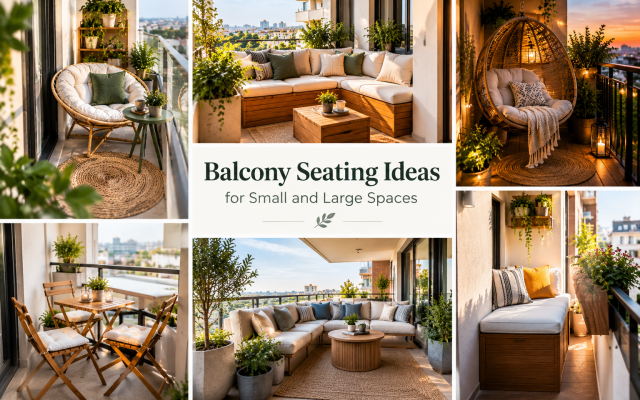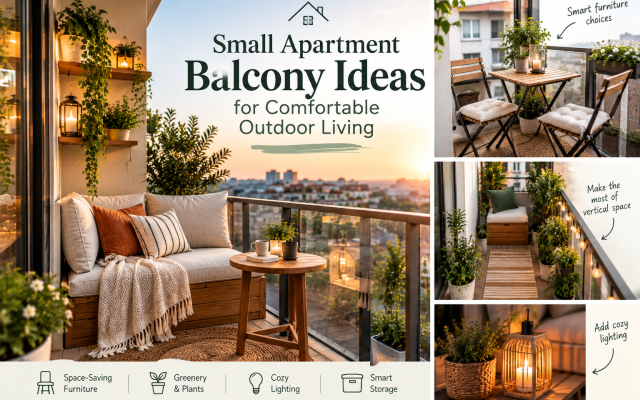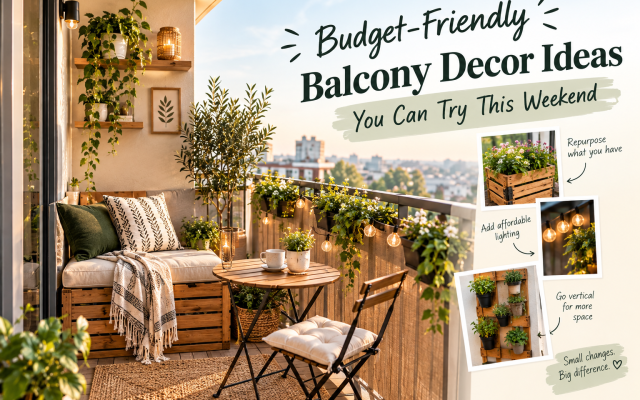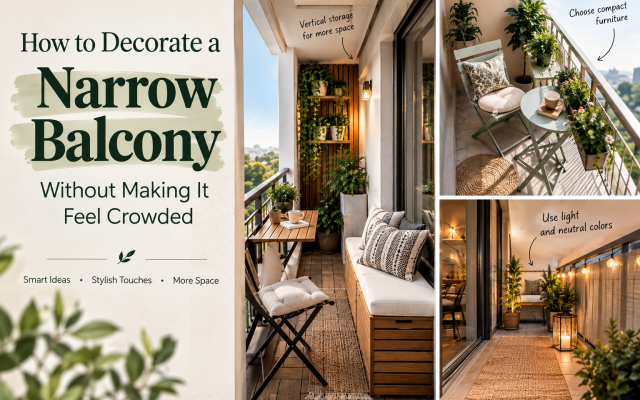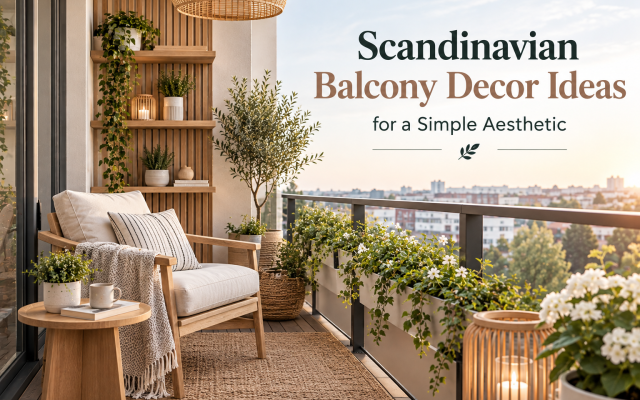
Living in the city often means sacrificing sprawling gardens for compact outdoor spaces. However a small balcony shouldn’t be overlooked it is your private gateway to the outdoors. With the right design approach, even a few square meters can be transformed into a lush, functional sanctuary.
In this guide we combine expert design principles with practical urban solutions to help you maximize your balcony’s potential. Here are 7 sophisticated decor ideas to turn your tiny terrace into a high end urban oasis.
1. Maximize Floor Space with Multi-Functional Bistro Sets
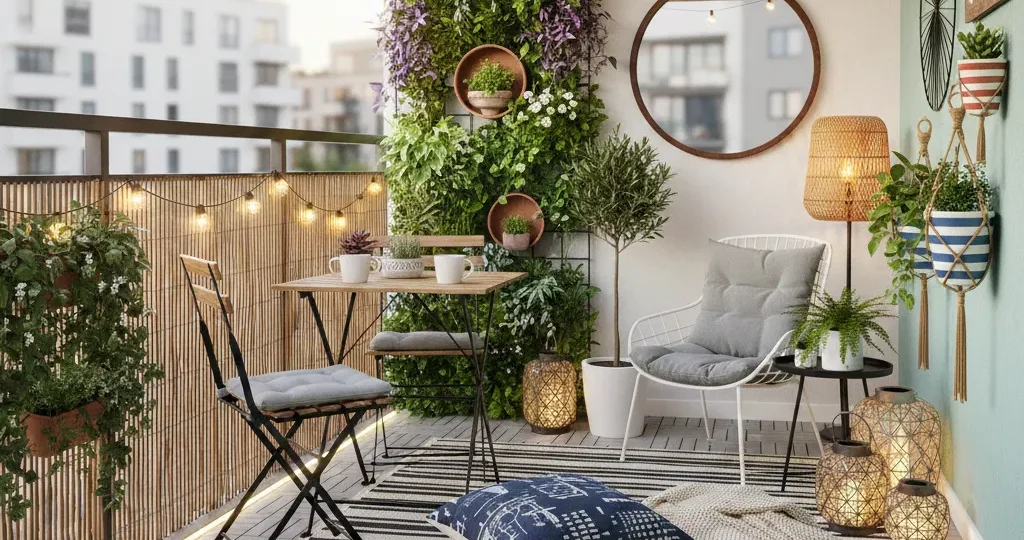
The foundation of a successful small balcony transformation lies in the strategic selection of furniture where the primary objective is to preserve as much open floor real estate as possible. In the realm of urban exterior design, the traditional bulky outdoor sofa is often the enemy of flow. It creates a visual weight that makes even a decent sized balcony feel claustrophobic. This is where the classic bistro set becomes an indispensable tool for the modern decorator. By opting for a high quality bistro set characterized by its slim profile and airy silhouette you allow the eye to travel across the floor and through the furniture frames an essential design trick that psychologically expands the perceived boundaries of the space.
Beyond mere aesthetics the true value of a bistro set is its multifunctional nature. When selecting a set for your urban oasis, prioritize foldable or stackable designs crafted from all-weather materials like powder coated steel, high density polyethylene or naturally oily hardwoods such as Acacia and Teak. These materials are not only resilient against the corrosive effects of urban pollution and humidity but also provide a sophisticated, curated look that mirrors high end European cafes. The flexibility of being able to fold your table and chairs in seconds allows the balcony to evolve throughout the day. It can serve as a private breakfast nook in the morning and transform into a spacious area for vertical gardening or meditation by the afternoon. Investing in a set with a minimal footprint ensures that your balcony remains a versatile sanctuary rather than a static, overcrowded storage area.
2. Elevate Your Greenery – The Magic of Vertical Gardening
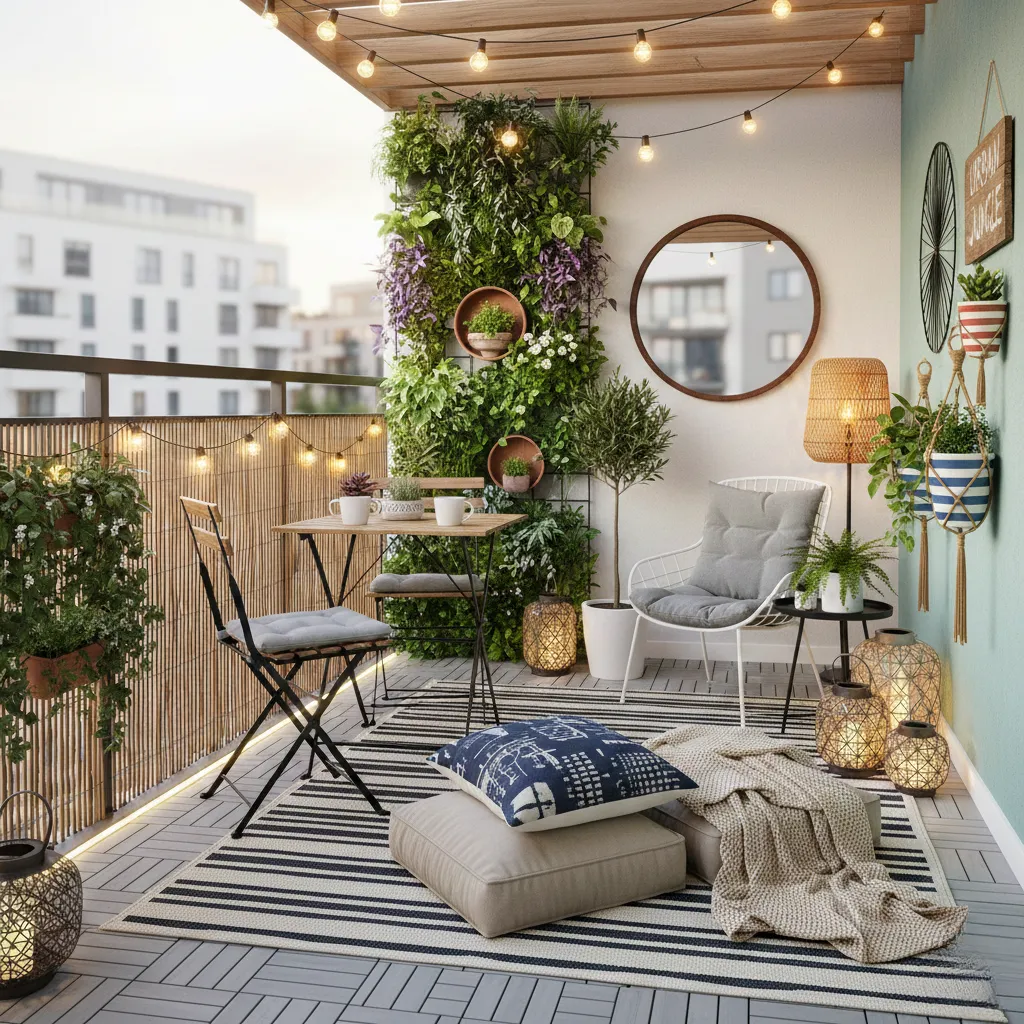
In a confined outdoor setting the most common mistake is attempting to mimic a traditional garden by placing multiple pots on the ground. This not only consumes precious square footage but also creates a cluttered obstacle course rather than a serene retreat. The professional approach to urban horticulture is to shift the perspective from the horizontal to the vertical. Vertical gardening serves as a sophisticated architectural solution that introduces lush, restorative greenery without compromising a single inch of floor space. By utilizing wall mounted modular systems, cascading pocket planters or elegant trellis structures, you transform a plain exterior wall into a living, breathing tapestry. This green wall effect provides an immediate psychological escape from the surrounding concrete acting as a natural air purifier and a sound buffer against the hum of city traffic.
From a technical standpoint, successful vertical gardening requires a keen understanding of weight distribution and moisture management two critical factors for apartment dwellers. It is essential to choose lightweight, high-quality planters that offer proper drainage while protecting the building’s facade from dampness. For those seeking a professional landscape designed look, the secret lies in the layering of textures. By combining structured plants like Sansevieria for height with the soft, flowing tendrils of Pothos or Creeping Jenny, you create a sense of depth and abundance. Furthermore, integrating aromatic herbs like lavender or rosemary at eye level adds a sensory dimension to the space, turning a simple balcony into a functional kitchen garden. This vertical method doesn’t just display plants; it engineers a micro-ecosystem that feels intentional, curated, and profoundly luxurious.
3. Create Ambiance with Layered Outdoor Lighting
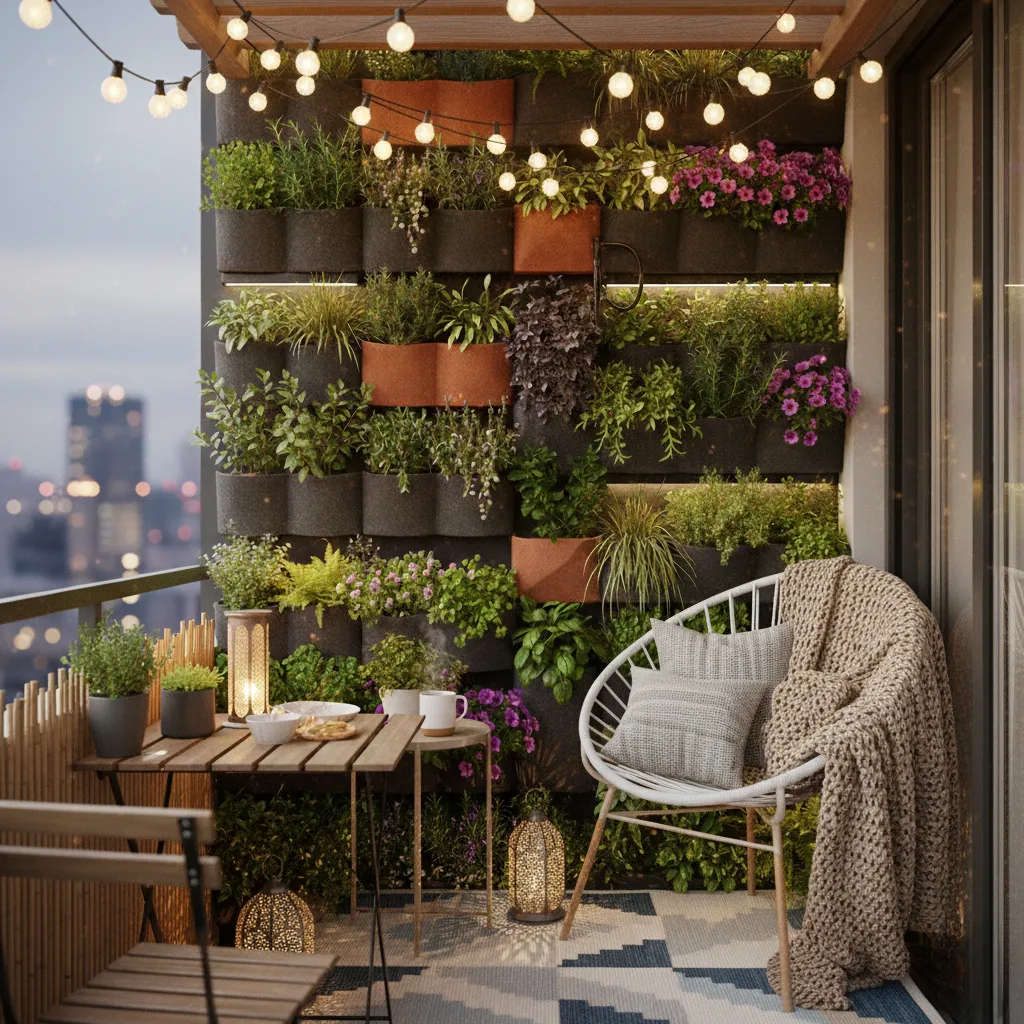
Lighting is the invisible hand that shapes the atmosphere of an outdoor space, yet it is frequently the most undervalued element in balcony decor. A single, harsh overhead light often the default in many apartments strips a balcony of its dimension and creates an uninviting utility feel. To achieve a high end, sanctuary-like glow, one must apply the interior design principle of layered lighting. This involves distributing light sources at different heights and intensities to eliminate dark corners and create a warm, inviting cocoon. By blending ambient, task, and accent lighting, you can control the mood of your oasis, transitioning it seamlessly from a bright morning reading nook to a romantic, dimly lit evening escape.
The practical execution of this strategy begins with warm toned sources, as cool white light can feel clinical and stark against building materials. Incorporating weather-resistant string lights, such as G40 Edison bulbs, adds a festive yet nostalgic overhead canopy that softens the hard lines of the ceiling. This should be complemented by mid-level lighting, such as cordless LED table lamps or solar-powered lanterns, which provide functional illumination for dining or relaxing without the clutter of exposed wires. For the final touch of sophistication, low level uplighting placing small solar spotlights at the base of your vertical garden or architectural plants casts dramatic shadows and emphasizes textures, giving the balcony an expensive, multidimensional look. This layered approach not only enhances the visual beauty but also extends the usability of your balcony far into the night.
4. Soften the Edges with Weather Resistant Textiles and Rugs
The transition from a sterile concrete slab to a true outdoor room is achieved through the strategic use of textiles. In design theory, hard surfaces like glass, metal, and brick feel cold and echo city noise. Textiles, on the other hand, provide the visual and acoustic softness necessary for relaxation. An outdoor-rated rug is perhaps the most transformative investment you can make for a small balcony. It serves to anchor the furniture, defining the seating area as a distinct zone and instantly providing a sense of comfort underfoot. Modern textile technology has evolved to the point where materials like UV stabilized polypropylene can mimic the intricate weaves and soft textures of indoor wool or linen, yet remain entirely resistant to mold, mildew, and fading under intense sun exposure.
To achieve an expert level finish, the layering of fabrics must be both aesthetic and functional. Beyond the rug, the addition of weather-resistant throw pillows and high quality outdoor drapes can significantly elevate the space’s luxury quotient. Selecting fabrics like solution-dyed acrylics ensures that your color palette remains vibrant season after season. When choosing patterns, a minimalist approach such as subtle geometric textures or monochromatic tones tends to work best in small spaces, as it adds interest without overwhelming the senses. These textiles do more than just add color; they provide the tactile comfort that encourages you to linger longer, effectively blurring the lines between your indoor luxury and your outdoor sanctuary.
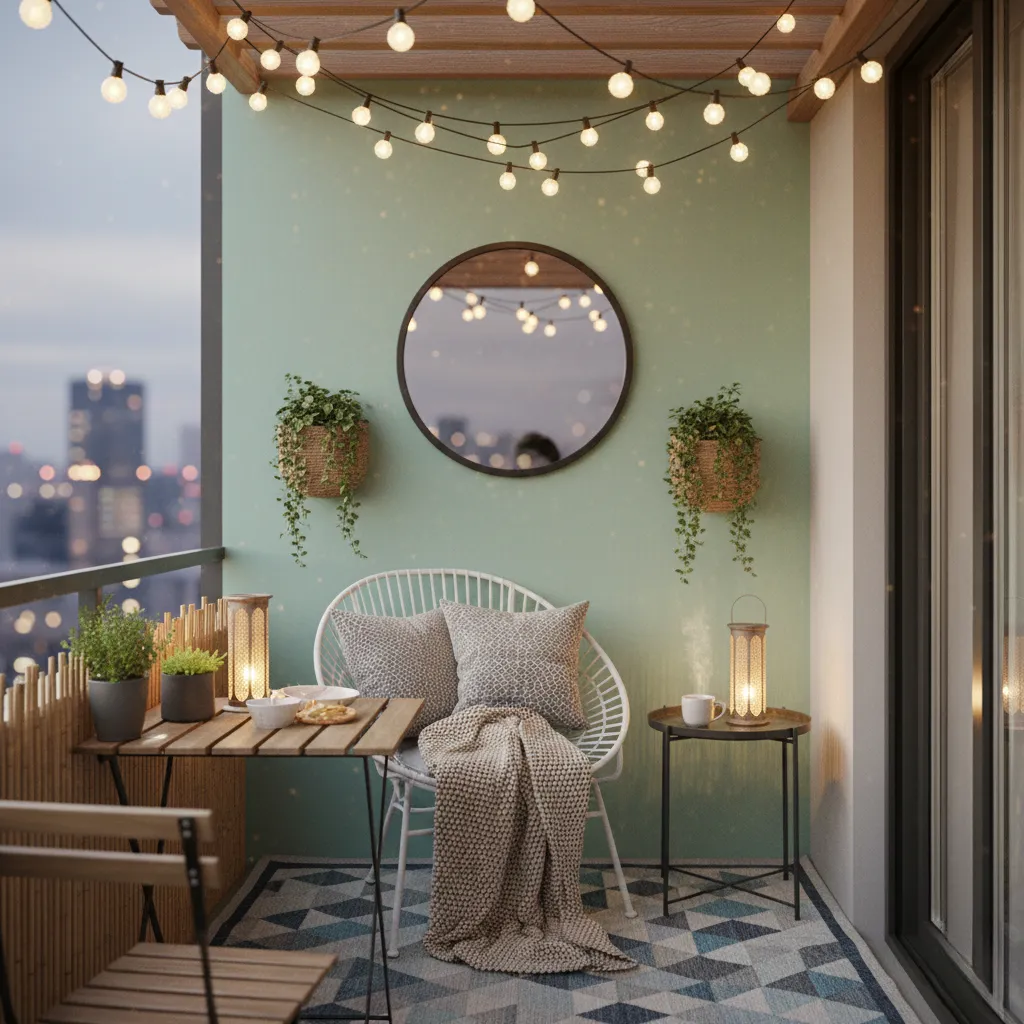
5. Incorporate Privacy Screens for a Secluded Sanctuary
True relaxation is often hindered by the feeling of being exposed to neighbors or street activity. Establishing a sense of seclusion is about creating a psychological boundary that transforms a public platform into a private retreat. Privacy screens serve as a sophisticated intervention that provides this necessary sense of security. Whether you choose the organic warmth of bamboo or the modern edge of metal panels, these structures act as a versatile backdrop for your decor. They also serve as an effective windbreak, protecting your comfort and your delicate plants from unpredictable gusts at higher floor levels.
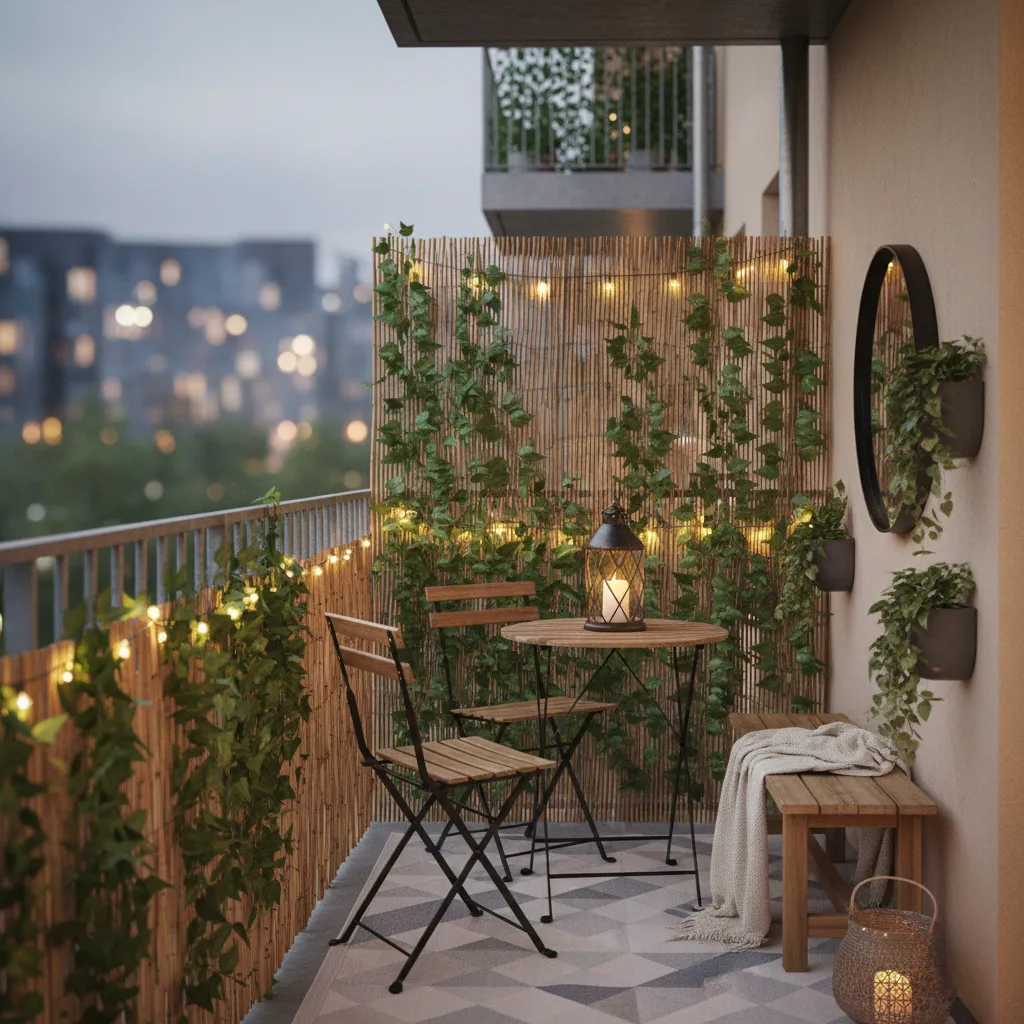
6. Opt for a Minimalist Color Palette to Enhance Spaciousness
Color plays a pivotal role in how we perceive volume and depth. In a small balcony, a cluttered or overly vibrant color scheme can make the walls feel like they are advancing toward you. To combat this, professional decorators advocate for a minimalist and monochromatic color palette. Utilizing light and reflective tones such as soft whites and warm beiges allows natural light to bounce around the space. This approach effectively blurs the corners and creates an optical illusion of expansiveness. When your balcony colors match your interior flooring, it creates a seamless threshold that makes the whole apartment feel grander.
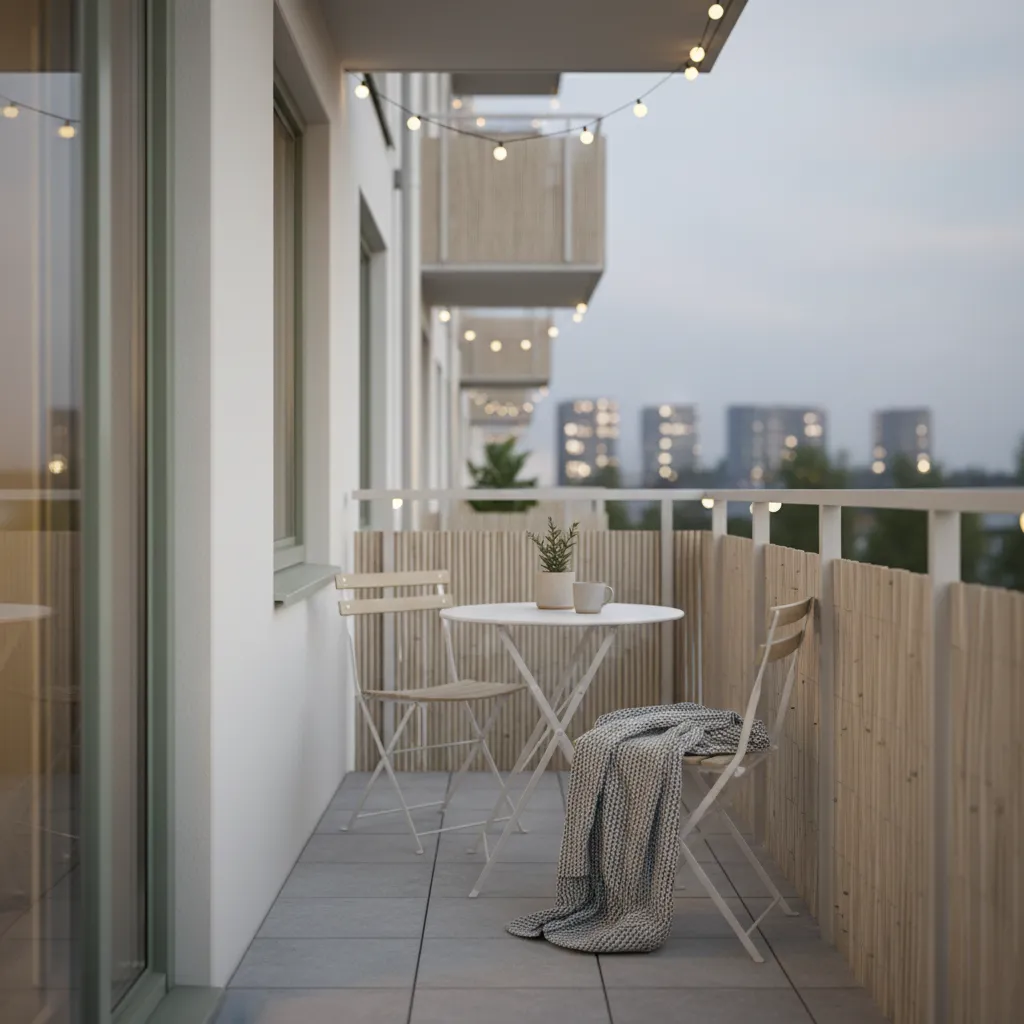
7. Add Personality with Trendy Wall Decor and Mirrors
The back wall of a balcony is frequently the most neglected surface, yet it offers a prime opportunity to inject personality without encroaching on floor space. Treating this wall with the same care as a gallery wall in your living room is a hallmark of expert design. One of the most effective secrets for small balconies is the strategic use of outdoor mirrors. A large mirror placed on a central wall reflects the sky and your greenery, effectively doubling the visual depth of the area. This creates the illusion of a hidden window and ensures your private urban oasis feels like a bespoke extension of your home.