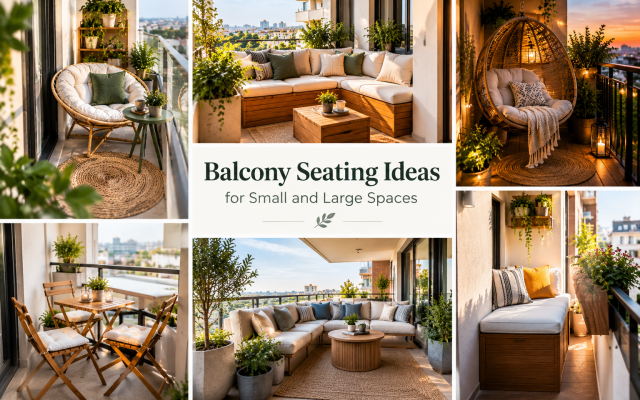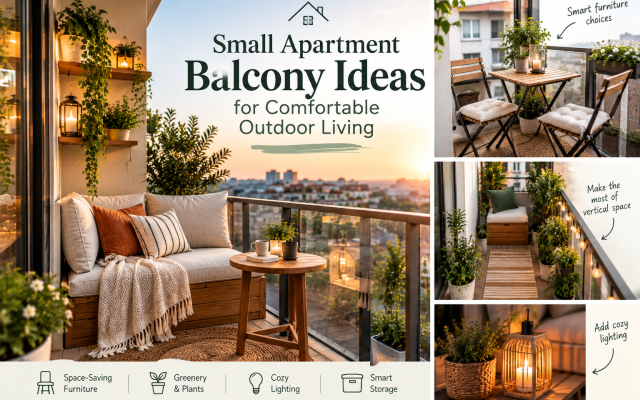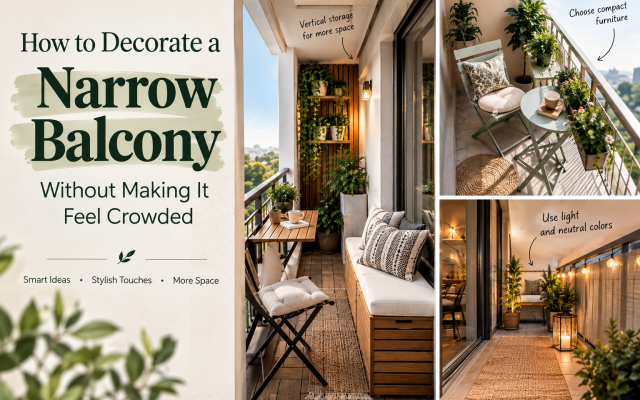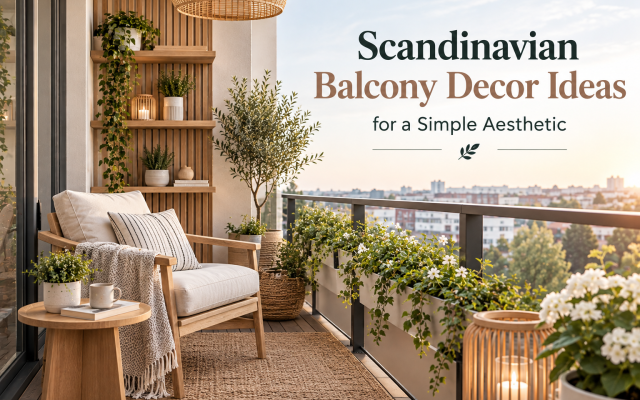
Most urban apartments treat outdoor footprints as an afterthought, leaving narrow floor slabs exposed to harsh sunlight, wind shear, and visual chaos from neighboring properties. When you explore budget-friendly balcony decor ideas you can try this weekend, the primary design challenge centers on transforming a sterile concrete or metal enclosure into a functional extension of your interior living space without investing heavily in custom architectural carpentry. Spatial constraints demand rigorous editing. Every square inch must earn its place through tactile richness, vertical zoning, and strategic management of natural light. If your balcony feels unwelcoming, the issue rarely stems from a lack of square footage; rather, it results from unbalanced visual weight, poor circulation paths, and the absence of a cohesive focal anchor.
Addressing these architectural friction points requires a disciplined approach to scale, texture pairing, and color undertones. A high-density urban balcony often receives intense glare reflecting off concrete surfaces during midday hours, followed by deep, austere shadows by late afternoon. To counteract this harsh light behavior, you must introduce tactile elements that diffuse illumination while adding acoustic dampening to absorb street noise. By working with readily available materials, modular furnishings, and targeted surface treatments, you can dramatically shift the atmosphere of your outdoor zone in less than forty-eight hours. The following professional strategies break down the technical execution required to achieve an upscale, high-end design aesthetic on a strict DIY budget.
Establishing Spatial Proportions and Circulation Paths
Successful outdoor design begins with an accurate assessment of physical clearance. Before purchasing any decorative elements, analyze the swing range of your balcony door, the height of your safety railing, and the unobstructed pathways required to step outside comfortably. Overcrowding a small balcony with oversized lounge chairs destroys the negative space necessary to make the area feel expansive rather than claustrophobic.
To maximize your layout, rely on vertical zoning. When floor space is restricted to a depth of three feet or less, your design must climb the walls. Use the vertical plane to draw the human eye upward, shifting focus away from narrow dimensions. Introduce slim-profile vertical gardens, hanging planters, or modular wall grids that carry color and texture without impeding foot traffic.
- Maintain a minimum thirty-inch clear walkway from the interior threshold to the exterior railing to ensure safe and fluid movement.
- Anchor heavy items such as planters near the structural corners of the balcony where load-bearing capacity is highest.
- Avoid placing tall furniture directly in front of light sources or low-profile railing glass to preserve unobstructed sightlines.
Tactile Balancing and Material Durability
Exterior styling fails when all surfaces share the same flat finish or monochromatic tone. A successful budget-friendly transformation relies on intentional contrast. Pair cold, industrial materials such as galvanized steel railings or raw concrete slabs with warm, organic textures like woven jute, untreated teak, brushed brass, or weather-resistant ceramics.
When selecting soft goods and decorative accents, material longevity dictates true value. Low-cost fabrics degrade rapidly under UV exposure and moisture accumulation if they lack proper treatment. Prioritize solution-dyed acrylics, polypropylene weaves, and outdoor-rated canvases that resist fading and mildew while offering a luxurious hand-feel.
| Material Type | Best Application | Durability Rating | Maintenance Requirement |
|---|---|---|---|
| Polypropylene Rugs | Flooring base and high-traffic zones | High | Hose down and air dry |
| Powder-Coated Metal | Planters and small accent tables | Very High | Wipe with damp cloth |
| Woven Natural Rattan | Covered walls and decorative trays | Moderate | Keep away from standing water |
| Solution-Dyed Canvas | Couch cushions and throw pillows | High | Machine wash removable covers |
Multi-Layered Illumination for Evening Atmosphere
Lighting dictates how a space functions after sunset. Relying on a single overhead floodlight or the interior glow bleeding through a glass door creates stark, unflattering shadows. To achieve a sophisticated ambiance, deploy a multi-layered illumination strategy combining ambient, task, and accent lighting.
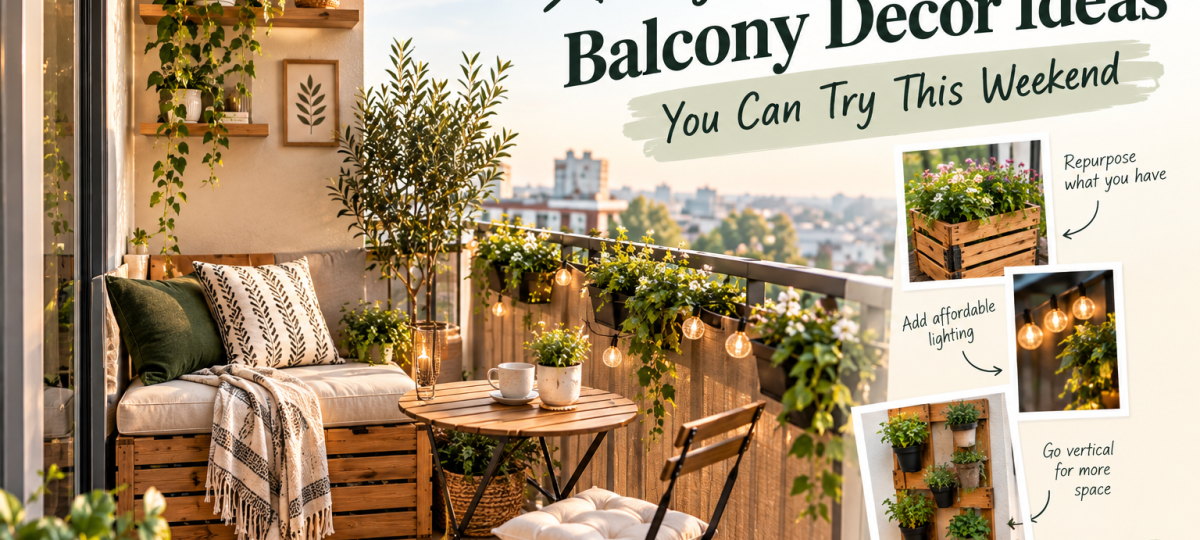
Because running permanent electrical wiring outdoors is often expensive and impractical for weekend projects, modern battery-operated and solar-charged options provide exceptional design flexibility. Position warm-toned LED fairy lights along the bottom edge of your handrail to cast a soft downward glow. Supplement this with portable, rechargeable table lamps that feature dimmable settings to establish a warm, intimate focal point on your primary seating surface.
- Install ambient string lights along the perimeter of the ceiling overhang or top railing to define the outer boundaries of the room.
- Place low-level accent lighting inside large floor planters to uplight foliage and create dramatic shadows against blank exterior walls.
- Incorporate a portable, flicker-free LED lantern on any central surface to mimic the organic warmth of open flame without safety risks.
Color Theory and Botanical Selection
Color undertones dictate the emotional resonance of your balcony. If your building features gray concrete facades and black iron railings, introduce warm terracotta tones, muted olive greens, and creamy linens to soften the industrial severity. Conversely, if your building boasts warm red brick, cooler slate blues and charcoal grays will balance the visual temperature.
Botanical styling should follow a strict hierarchy of scale and leaf structure. Do not crowd the floor with dozens of identical small pots. Instead, group plants in uneven numbers using staggered heights. Combine architectural plants that feature strong vertical lines, such as Sansevieria or ornamental grasses, with spilling varieties like cascading pothos or trailing rosemary to break up the rigid horizontal lines of your balcony structure.
Architectural Warning: Never exceed the structural weight limits specified by your building management when placing heavy earthenware planters filled with wet soil on cantilevered balconies. Distribute heavier loads directly over foundational exterior walls rather than the outermost edges of the slab.
Weekend Action Plan for Rapid Execution
To complete your balcony transformation over a single weekend without burning out, divide the labor into manageable, time-blocked phases. Approaching the project systematically prevents decision fatigue and ensures that foundational elements are secured before you move on to decorative styling.
Phase One: Surface Deep Cleaning and Purging
Begin your Saturday morning by completely clearing the balcony. Sweep away accumulated debris, scrub down the concrete or tile flooring with an appropriate masonry or wood cleaner, and wipe down the exterior glass and railings. A clean canvas is essential for evaluating true color undertones and identifying any surface imperfections that require camouflage.
Phase Two: Flooring and Base Layer Installation
If your concrete floor looks unappealing, install interlocking deck tiles made from acacia wood or composite material. These products snap together effortlessly without requiring glue or fasteners, allowing you to instantly mask damaged flooring. Layer a durable, flat-woven outdoor rug over the tiles to introduce pattern, anchor your furniture footprint, and provide a comfortable surface for barefoot stepping.
Phase Three: Furniture Placement and Vertical Mounting
Position your primary seating elements, ensuring that table heights align comfortably with chair seats. If you are using a wall-mounted drop-leaf table to save space, anchor it securely into masonry anchors or stud lines. Hang vertical planter pockets or lightweight art panels using damage-free exterior hanging strips or secure over-the-railing brackets.
Phase Four: Final Styling and Soft Goods Integration
Complete your design on Sunday afternoon by layering in textiles. Add weather-resistant throw pillows, a draped wool or acrylic blanket for chilly evenings, and curated tabletop accessories like ceramic trays, pillar candles in glass hurricanes, and small potted succulents. Step back inside, turn off your interior lights, and evaluate your new evening lighting scheme from inside the living room to check sightlines and glare.
Frequently Asked Questions About Budget-Friendly Balcony Decor Ideas You Can Try This Weekend
How can I cover an ugly concrete balcony floor on a strict budget?
Interlocking deck tiles provide one of the most cost-effective and visually impactful solutions for damaged or unsightly concrete slabs. They snap together easily without professional tools. Alternatively, laying down a large, UV-resistant polypropylene outdoor rug instantly conceals stains and adds color, pattern, and softness underfoot for a fraction of the cost of permanent renovations.
What are the best plants for a windy high-rise balcony?
High winds can easily snap delicate stems and dry out soil rapidly. Opt for resilient, wind-tolerant species with sturdy root systems and flexible foliage, such as ornamental grasses, boxwood shrubs, succulents, and trailing rosemary. Always use heavy ceramic or weighted plastic containers to prevent lightweight pots from tipping over during heavy gusts.
How do I create privacy on a balcony without blocking natural light?
To obscure views from neighboring apartments without sacrificing your sunlight, use semi-transparent materials. Woven bamboo screening rolls, sheer outdoor curtain panels hung on a tension rod, or climbing vines trained on a vertical wire trellis create an effective visual barrier while still allowing diffused light to filter through into your living space.
Can I use indoor furniture outdoors if my balcony is covered?
While a fully covered balcony protects items from direct rainfall, fluctuating humidity, temperature shifts, and airborne moisture will still warp untreated wood, rust exposed metal, and degrade standard indoor upholstery. It is always safer to use specialized outdoor furniture or ensure that any indoor items brought outside are treated with moisture-resistant sealants and breathable, washable covers.
How do I style a very narrow balcony that lacks depth?
Narrow balconies require a commitment to the vertical plane. Avoid bulky freestanding furniture and instead install a wall-mounted fold-down bar table paired with backless stools that tuck entirely underneath when not in use. Utilize railing-mounted planter boxes facing inward to keep the small floor area completely clear for unobstructed movement.