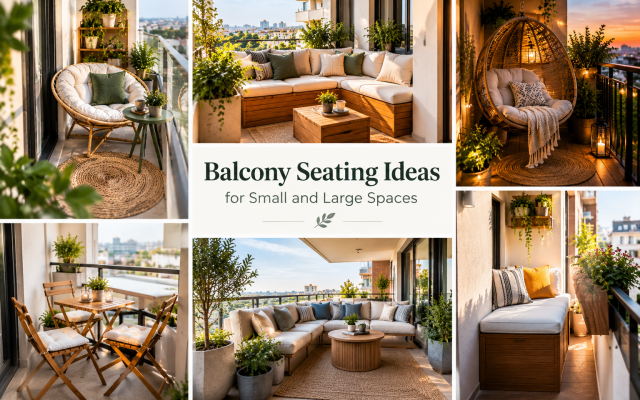
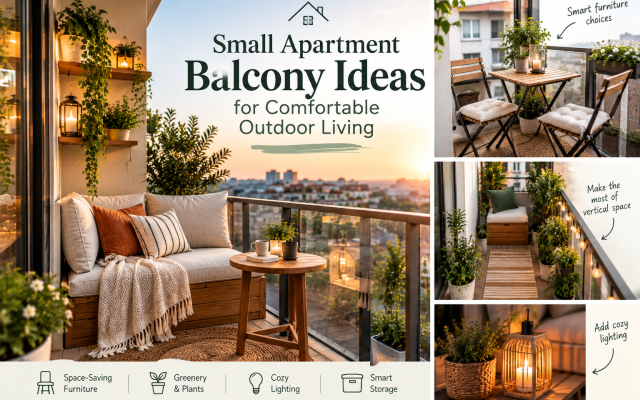
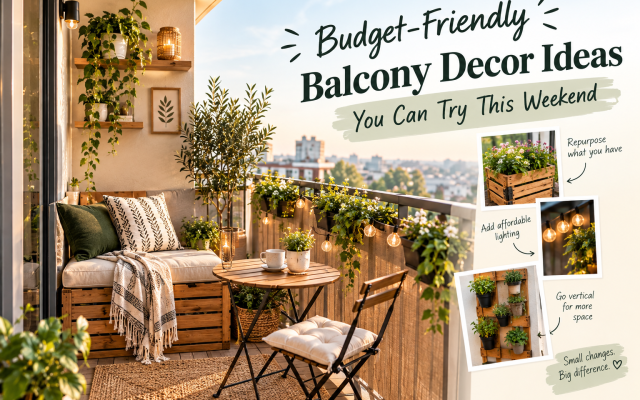
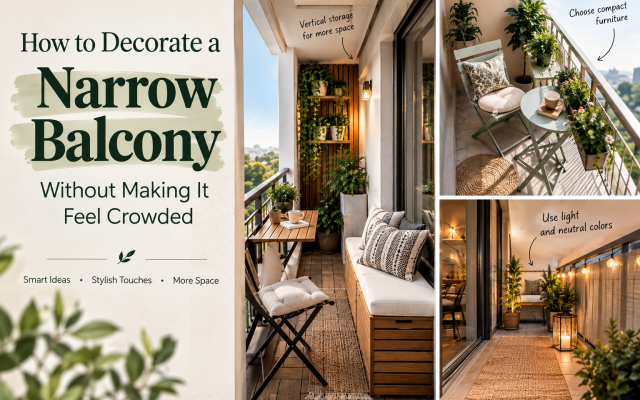
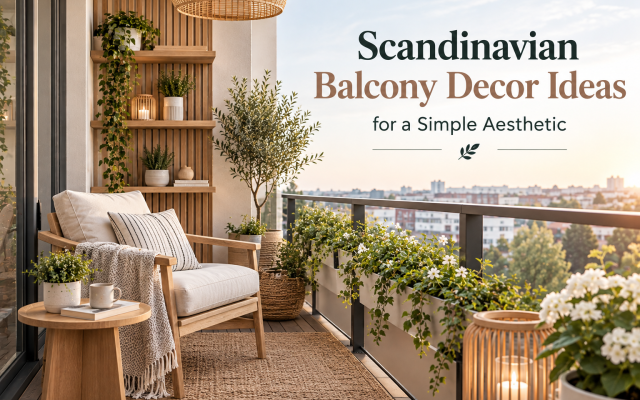
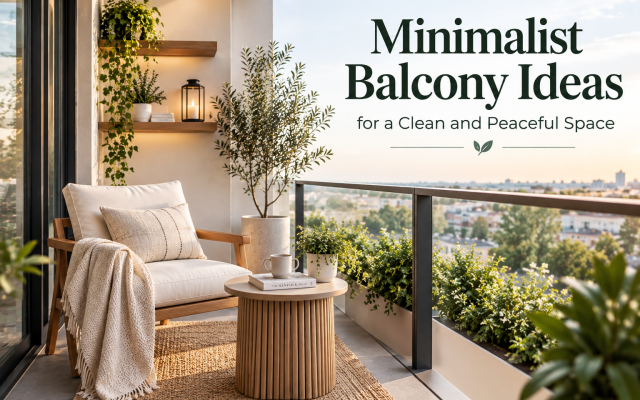
Transforming an open-air ledge or an enclosed loggia into an authentic architectural extension of your interior requires a precise calibration of scale, material science, and spatial psychology. When evaluating how to choose the right balcony furniture, homeowners frequently miscalculate the friction between exterior exposure and interior comfort. Balconies present unique microclimates defined by severe wind loads, intense UV radiation, sweeping temperature fluctuations, and aggressive moisture accumulation. Addressing these environmental stressors while maintaining strict design integrity demands a rigorous approach to layout planning. If you select pieces without analyzing your primary sightlines, the sweep of the sun, and the physical clearance needed for natural traffic flow, you risk creating a cramped, dysfunctional exterior dead zone. True outdoor living design begins with understanding that every square inch carries immense visual and physical weight. You must balance negative space against functional requirements to ensure your exterior living area feels breathable rather than overcrowded. By treating the balcony as a purposeful architectural room rather than an afterthought storage space, you establish a seamless visual threshold between the interior floor finish and the exterior horizon.
Spatial Geometry and Circulation Constraints
The foundation of any successful balcony layout relies on rigorous space planning and an understanding of human ergonomics. Urban balconies typically suffer from linear constraints, narrow depths, or awkward structural columns that disrupt traditional furniture arrangements. Before browsing styles or finishes, you must map the absolute boundary dimensions, accounting for outward-swinging doors, security railings, and drainage scuppers.
Calculating Clearance and Traffic Paths
Circulation paths dictate the usability of any compact architectural footprint. You must maintain a minimum clearance of twenty-four to thirty inches along primary movement corridors to prevent the space from feeling constricted. If your balcony measures less than four feet in total depth, traditional deep-seating armchairs or standard dining tables will completely overwhelm the floor plan. In such constrained environments, you must pivot toward streamlined profiles, such as a wall-mounted bistro drop-leaf table paired with lightweight, armless side chairs that tuck entirely beneath the surface plane when not in use.
Visual Weight and Negative Space
Visual weight refers to how heavy a piece of furniture appears to the human eye based on its mass, color, and structural construction. Solid teak benches or oversized upholstered loungers possess high visual weight, which can suffocate a small balcony by blocking the eye from traveling toward the perimeter railing or the exterior view. Conversely, furniture featuring perforated metal sheets, woven synthetic cord, or exposed steel frames introduces transparency. This transparency preserves negative space, allowing light to pass through the furniture assembly and making the architectural envelope feel significantly larger than its actual square footage.
Never allow furniture frames to block more than one-third of the structural glass or railing height. Maintaining uninterrupted sightlines from your interior living spaces out to the horizon anchors the balcony visually and maximizes the perceived volume of the room.
Material Selection and Microclimate Durability
Exterior furnishings face punishing environmental conditions that rapidly degrade substandard products. Material selection must reflect the specific climate zone of your residence, whether it is a salt-laden coastal environment, an arid desert zone with extreme UV exposure, or a northern urban center prone to freeze-thaw cycles. Understanding the structural properties of raw materials ensures long-term structural viability and predictable maintenance cycles.
| Material | Primary Environmental Strength | Maintenance Requirement | Ideal Architectural Setting |
|---|---|---|---|
| Grade-A Teak | Natural oils resist moisture and rot; high tensile strength. | Annual sanding and oiling to preserve golden tone, or let weather to silver patina. | Exposed urban loggias and coastal terraces with high moisture. |
| Powder-Coated Aluminum | Lightweight, completely rust-proof, highly customizable color profiles. | Occasional wiping with mild soap and water to clear particulate buildup. | Wind-prone high-rise balconies and contemporary minimalist spaces. |
| Synthetic Polyethylene Rattan | Impervious to UV fading and moisture; flexible structural weave. | Periodic rinsing with a hose and gentle detergent scrub. | Resort-style verandas and transitional eclectic outdoor lounges. |
| Wrought Iron | Exceptional structural mass resists high wind displacement. | Immediate touch-up of paint chips to prevent progressive oxidation. | Historic facades and traditional Parisian-style pocket balconies. |
| Concrete Composites | Extreme structural weight; highly resilient against impact. | Sealing every two years to prevent staining from airborne pollutants. | Industrial urban penthouses and brutalist architectural layouts. |
Ergonomics, Comfort, and Textile Science
Exterior comfort goes far beyond simply placing a thin foam pad over a rigid wooden seat. Because balcony furniture is frequently exposed to humidity and rain, the internal engineering of cushions and upholstery requires advanced technical specifications.
High-Performance Foams and Fabrics
Traditional indoor cushions absorb moisture like a sponge, leading rapidly to mold, mildew, and structural decay. When selecting soft goods for your balcony, you must specify reticulated foam, which features an open-cell porous structure that allows water to drain rapidly and air to circulate freely. Pair this internal core with high-performance solution-dyed acrylic fabrics such as Sunbrella or Outdura. These textiles are saturated with color pigments to the core of the fiber rather than merely surface-dyed, ensuring exceptional resistance to ultraviolet degradation, chlorine damage, and stubborn staining.
Multi-Functional Design Strategies
- Assess your daily lifestyle habits to determine whether you prioritize active dining, casual lounging, or solitary reading.
- Select modular sectional units with built-in hydraulic storage compartments beneath the seat decks to stow away throws, accessories, and planters.
- Incorporate nesting tables that can be expanded during social gatherings and collapsed into a single footprint when you require open floor space for yoga or stretching.
- Prioritize stackable or folding seating options that can be easily cleared away during severe storm warnings or winter storage preparation.
- Choose pieces with adjustable leveling feet to compensate for the slight structural slopes engineered into balcony floors for proper drainage.
Illumination and Atmospheric Layering
A beautifully curated balcony furniture arrangement loses its impact entirely once the sun sets unless supported by a deliberate, multi-layered lighting strategy. Relying on a single harsh overhead bulkhead light destroys the intimate atmosphere of an outdoor room and attracts unwanted nocturnal insects.
- Ambient Illumination: Install discreet exterior-rated wall sconces with warm color temperatures between 2400K and 2700K to establish a soft, welcoming glow along the perimeter wall.
- Task Lighting: Utilize rechargeable, portable LED lanterns placed directly on coffee or dining tables to provide functional illumination for reading or dining without requiring messy extension cords.
- Accent Lighting: Integrate low-voltage LED strip lighting beneath bench seating ledges or behind railing planters to create a floating visual effect that accentuates the architectural lines of the furniture.
- Acoustic Softening: Balance hard reflective surfaces like glass, concrete, and metal by introducing outdoor-rated weather-resistant area rugs and heavy textured textiles that dampen urban noise pollution.
Frequently Asked Questions About How to Choose the Right Balcony Furniture
How do I protect my balcony furniture from high winds in high-rise apartments?
High-rise balconies experience severe wind uplift and vortex currents that can easily toss lightweight furniture over glass or metal railings. To mitigate this risk, select heavy materials such as cast stone, solid hardwoods, or wrought iron, which naturally resist displacement. Alternatively, choose powder-coated aluminum frames featuring hollow structural elements or perforated patterns that allow wind to pass right through the assembly rather than catching it like a sail. Always secure foldable or lightweight pieces indoors when severe wind warnings are issued.
What is the best way to clean and maintain teak furniture on an uncovered balcony?
Grade-A teak contains natural silica and rubber oils that make it exceptionally durable against weather, but uncovered exposure causes the warm honey color to weather into a distinguished silver-gray patina. If you prefer to maintain the original golden tone, you must apply a specialized teak cleaner and a protective UV-inhibiting sealer once or twice a year. For a natural weathered look, simply scrub the furniture seasonally using mild soapy water and a soft-bristled brush to remove trapped atmospheric pollutants, bird droppings, and organic debris.
Can I use indoor furniture on a covered balcony or loggia?
Using indoor furniture on a covered balcony is risky unless the space is fully enclosed with sliding glass panels and climate-controlled. Even on heavily protected loggias, ambient humidity, temperature swings, and drifting moisture will cause indoor wood glues to fail, metal fasteners to rust, and standard upholstery fabrics to harbor mold. If you must use a cherished indoor accent piece, ensure it is treated with exterior-grade sealants, kept well away from the open perimeter, and inspected frequently for early signs of moisture damage.
How do I maximize seating on a very narrow or small balcony?
Maximizing seating in tight architectural footprints requires discarding traditional freestanding chair-and-table sets in favor of built-in banquette seating or custom bench designs anchored against the longest perimeter wall. Pair this fixed seating with a narrow, cantilevered bar-height table mounted directly to the railing or wall. This layout eliminates the wasted floor clearance required to pull chairs in and out, freeing up the central corridor for smooth, unobstructed movement across the balcony.