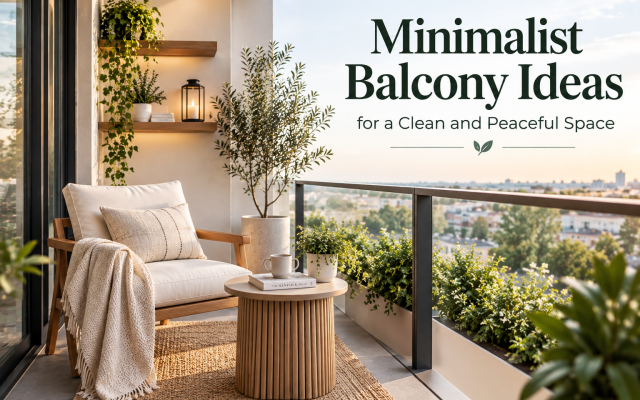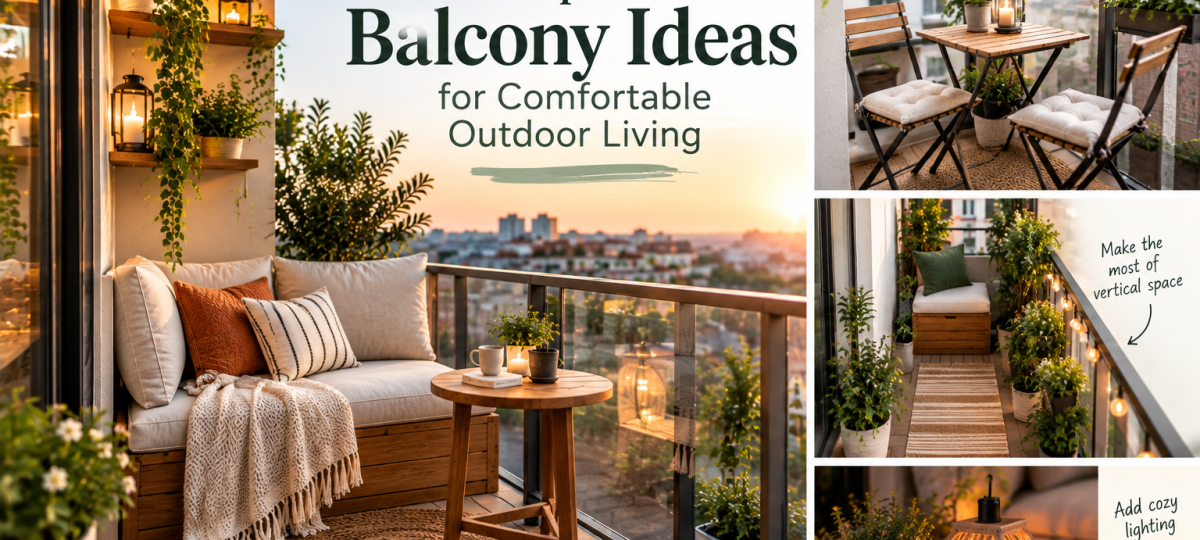
Transforming a compact urban threshold requires a deliberate shift in perspective, moving away from standard interior styling toward an architectural approach that respects tight perimeters, weathering factors, and dynamic sunlight exposure. When evaluating small apartment balcony ideas for comfortable outdoor living, the primary design challenge lies in managing spatial friction. Standard outdoor furniture often overwhelms limited square footage, blocking sightlines from the interior living spaces and disrupting the seamless visual transition between indoor and outdoor domains. A successful transformation relies on manipulating negative space, choosing materials with appropriate tactile weight, and understanding how harsh urban light reflects off surrounding concrete and glass surfaces. By prioritizing scale, acoustic dampening, and multi-functional deployments, an undersized exterior footprint evolves into a highly sophisticated extension of the primary residence.
Urban balconies frequently present unique microclimates characterized by high wind velocities, intense direct sun exposure during specific diurnal cycles, and restricted drainage capabilities. Addressing these physical constraints demands a technical strategy that combines structural efficiency with high-end editorial aesthetics. Every square inch must earn its place through purposeful utility or intentional visual grounding. Material selection cannot be treated as an afterthought; elements must withstand thermal shock, moisture accumulation, and fading ultraviolet radiation while maintaining a refined, tactile profile that enriches the overall urban living experience.
Spatial Optimization and Circulation Strategies
Establishing ergonomic flow across a confined footprint requires strict adherence to human scale and unobstructed movement pathways. The layout must never force occupants to maneuver awkwardly around oversized furnishings. Prioritizing verticality helps draw the eye upward, shifting focus away from restricted floor dimensions toward layered planting installations or architectural wall treatments.
Balancing Visual Weight and Negative Space
Visual weight dictates how heavy an object appears within a designated volume. Solid, chunky wooden armchairs consume immense optical space, making a petite balcony feel claustrophobic. Conversely, wireframe seating, transparent acrylic elements, and perforated metal stools allow light to pass through uninterrupted, preserving the illusion of an expansive footprint. Maintaining clear sightlines from the interior living room glass doors out to the urban horizon creates a psychological expansion of the entire dwelling.
- Select low-profile seating that sits beneath standard window sills to prevent obstruction of interior views.
- Integrate floating cantilevered ledges or fold-down wall-mounted drink rails to eliminate bulky table legs.
- Position tall, slender planters in far corners to anchor the space without encroaching upon central circulation paths.
Traffic Flow and Functional Zoning
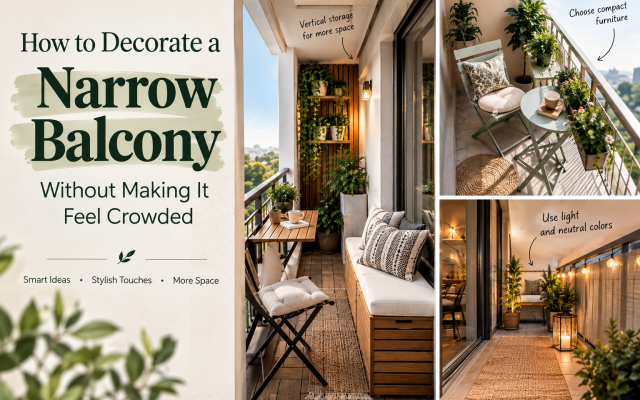
Even the smallest footprint benefits from distinct functional zones, such as an intimate morning coffee station or a dedicated green wall oasis. Circulation corridors must remain at least twenty-four inches wide to allow comfortable entry and exit. Furniture pieces featuring dual-purpose mechanics, such as storage benches or nesting tables, prevent visual clutter and keep stray items out of sight.
- Assess the swing arc of any balcony doors or windows to ensure exterior furnishings never impede operational safety.
- Map out primary pathways using low-pile outdoor runners to visually guide movement and protect underlying concrete slabs.
- Group primary seating against the sturdiest perimeter wall to maximize open floor area near the apartment threshold.
- Deploy stackable or folding seating elements that can be swiftly stored flat against a side panel when not in use.
Warning: Never anchor heavy permanent structures directly into rental balcony waterproofing membranes or exterior building cladding without consulting structural engineering guidelines and lease covenants. Always utilize freestanding or modular tension systems to preserve architectural integrity.
Material Selection, Durability, and Tactile Contrasts
Successful outdoor design relies heavily on the interplay of contrasting textures and weathering characteristics. Hard concrete floors and metal railings benefit immensely from the introduction of organic warmth through wood, woven natural fibers, and lush botanical specimens. Material durability dictates maintenance requirements, making it vital to specify components engineered explicitly for punishing exterior environments.
| Material Class | Primary Application | Durability & Maintenance Profile | Tactile & Aesthetic Contribution |
|---|---|---|---|
| Teak and Ipe Wood | Flooring tiles, surface ledges, armrest accents | Exceptional natural rot resistance; requires annual oiling to preserve golden hue or ages gracefully to a silvery patina. | Introduces rich organic warmth and barefoot comfort. |
| Powder-Coated Aluminum | Structural frames, privacy screens, planters | High rust resistance, lightweight, impervious to peeling under harsh ultraviolet radiation. | Provides a sleek, matte finish with crisp modern lines. |
| Polypropylene and Olefin | Upholstery, area rugs, throw cushions | Stain-resistant, quick-drying, highly resistant to mold and environmental fading. | Delivers soft textural comfort mimicking interior textiles. |
| Terrazzo and Concrete | Side tables, planter urns, decorative weights | Heavy, virtually indestructible against wind shear; requires periodic sealing against moisture absorption. | Anchors the space with brutalist weight and mineral texture. |
When selecting soft goods, ensure fabrics feature high abrasion ratings and marine-grade stitching to combat atmospheric moisture and pollution common in dense metropolitan centers. Pairing sleek metal surfaces with coarse woven grasses creates a sophisticated dialogue between industrial architecture and natural refuge.
Multi-Layered Illumination for Evening Atmosphere
Lighting transforms a balcony from a purely daytime utility into an enchanting nocturnal retreat. Relying on a single overhead bulkhead fixture washes out the space, creating harsh glares and deep shadows. A professional lighting plan incorporates three distinct layers: ambient, task, and accent illumination.
Ambient and Accent Illumination Techniques
Ambient lighting establishes the foundational glow, softening harsh building perimeters and boundaries. Rechargeable, IP-rated portable LED lanterns provide flexible illumination without requiring hardwired electrical modifications. Accent lighting draws attention to specific architectural features, such as trailing ivy on a trellis or the rich grain of a wood-paneled feature wall.
- Weave warm-temperature string lights along the underside of top railings or structural overhangs to cast a gentle downward wash.
- Place low-voltage up-lighters at the base of tall ornamental grasses to cast dramatic botanical shadows against exterior walls.
- Utilize solar-powered stake lights tucked discreetly into planter beds for effortless, wire-free perimeter glows.
- Incorporate dimmable candleholders featuring hurricane glass cylinders to shield flames from urban wind gusts.
Acoustic Dampening and Urban Privacy Solutions
Urban apartments often suffer from environmental noise pollution and a distinct lack of visual privacy from neighboring units. Creating an acoustic and visual buffer elevates a small balcony into a serene sanctuary. Hard surfaces bounce sound waves wildly, echoing street noise and city clamor.
Installing soft, sound-absorbing elements mitigates this acoustic reflection. Outdoor rated acoustic panels disguised as decorative wall art, dense boxwood hedges, and heavy woven rugs significantly dampen ambient city sounds. For visual privacy without blocking natural breezes, consider vertical slatted screens, frosted acrylic panels, or weather-resistant fabric curtains suspended on sleek marine-grade tension cables.
Strategic planting acts as a natural sound diffuser while softening rigid property lines. Layering evergreen conifers, ornamental bamboo in weighted containers, and cascading vines creates a living green curtain that screens out unwanted views while filtering particulate matter from the urban air.
Frequently Asked Questions About Small Apartment Balcony Ideas for Comfortable Outdoor Living
How can I make a tiny balcony feel larger without permanent renovations?
You can visually expand a compact footprint by maintaining clear floor space and keeping sightlines open to the outdoors. Use lightweight furniture with exposed legs, hang exterior-grade mirrors on solid walls to reflect light and greenery, and match your indoor flooring color palette as closely as possible to the balcony floor to blur the boundary between inside and out.
What types of plants survive best in harsh urban balcony microclimates?
Urban balconies often experience extreme wind, intense sun reflected off glass, and rapid soil drying. Resilient species include ornamental grasses such as blue fescue, hardy succulents, boxwood shrubs, and trailing ivies. Always choose heavy, frost-proof containers that will not tip over during high wind events, and ensure adequate drainage trays protect the building structure.
How do I protect my balcony furniture from heavy rain and wind?
Invest in custom-fitted, breathable, waterproof covers equipped with drawstrings or buckle straps to secure furniture during storms. Alternatively, choose modular or stackable pieces manufactured from powder-coated aluminum, synthetic resins, and marine-grade fabrics that can be quickly folded flat and stored indoors during severe weather warnings.
Can I install artificial turf or wooden deck tiles on a rental balcony?
Yes, interlocking wooden deck tiles and modular outdoor turf carpets are exceptionally renter-friendly because they require no permanent adhesives or drilling. Most systems feature snap-together plastic bases that elevate the surface slightly, allowing rainwater to drain freely underneath toward the building scuppers without pooling against the concrete slab.
What is the best way to light a balcony that lacks an exterior electrical outlet?
High-quality rechargeable LED lamps, solar-powered lanterns, and battery-operated fairy lights offer exceptional illumination without requiring hardwired electrical connections. Look for fixtures featuring lithium-ion batteries, USB-C fast charging capabilities, and weather-resistant IP65 ratings to ensure reliable performance throughout changing seasonal conditions.