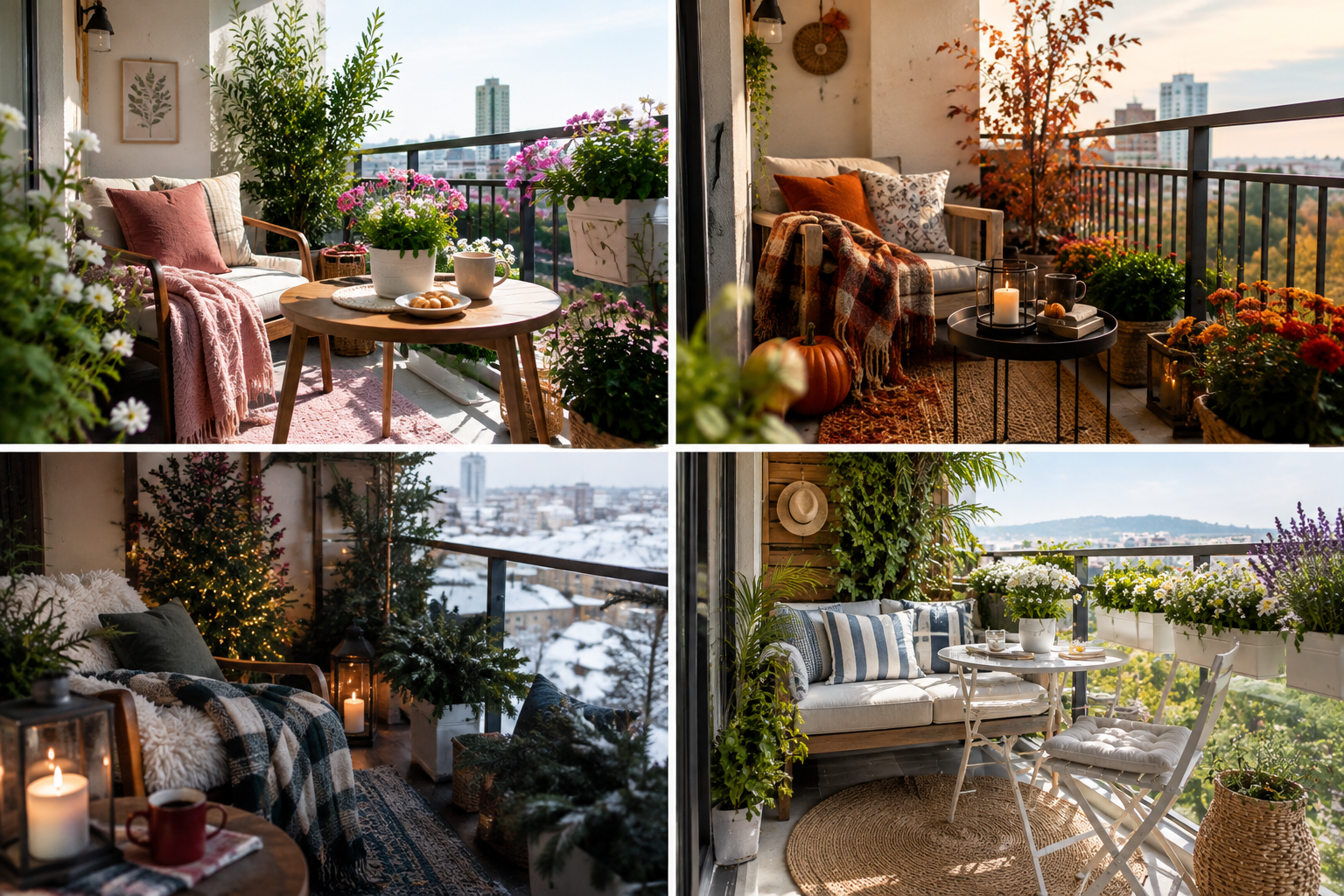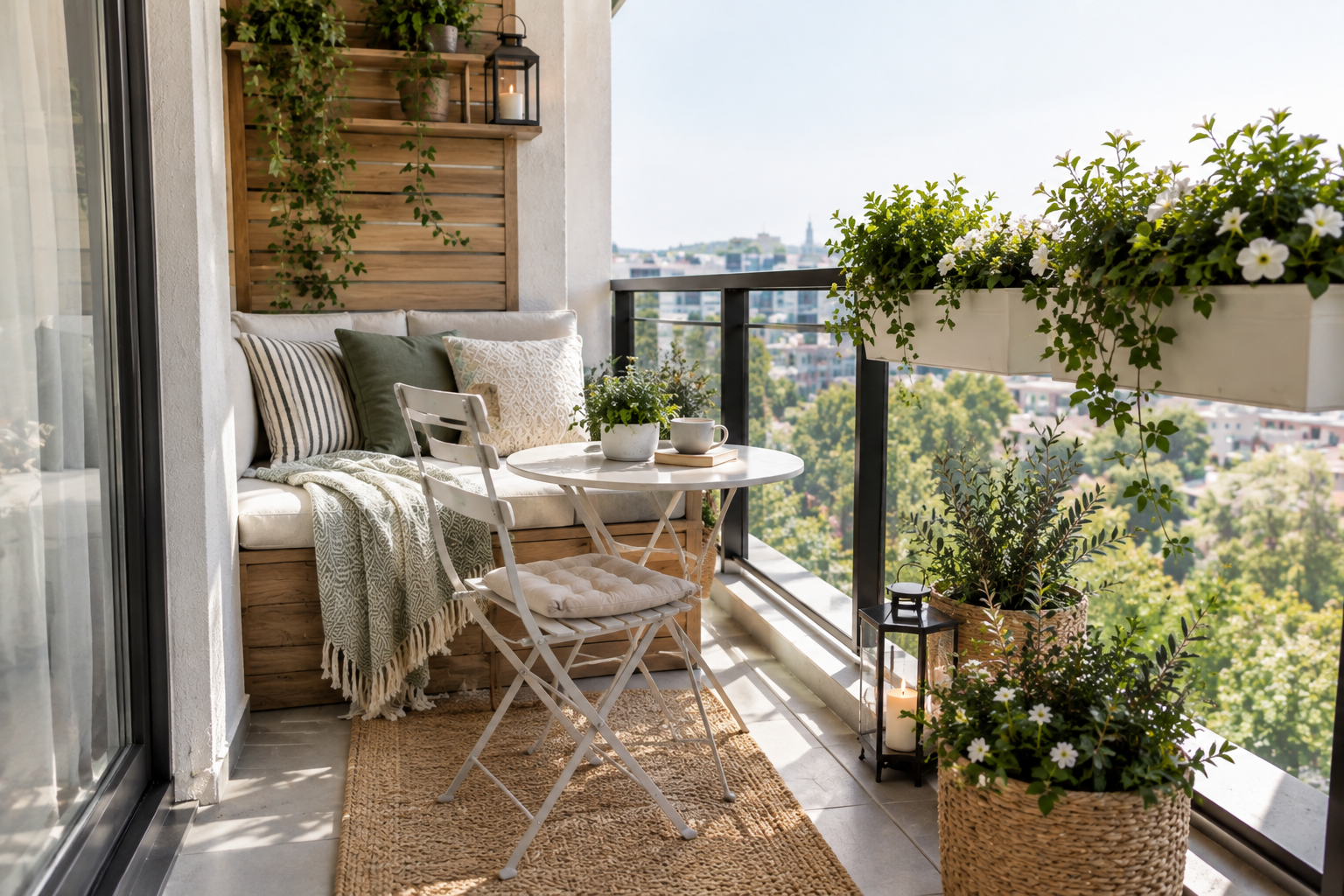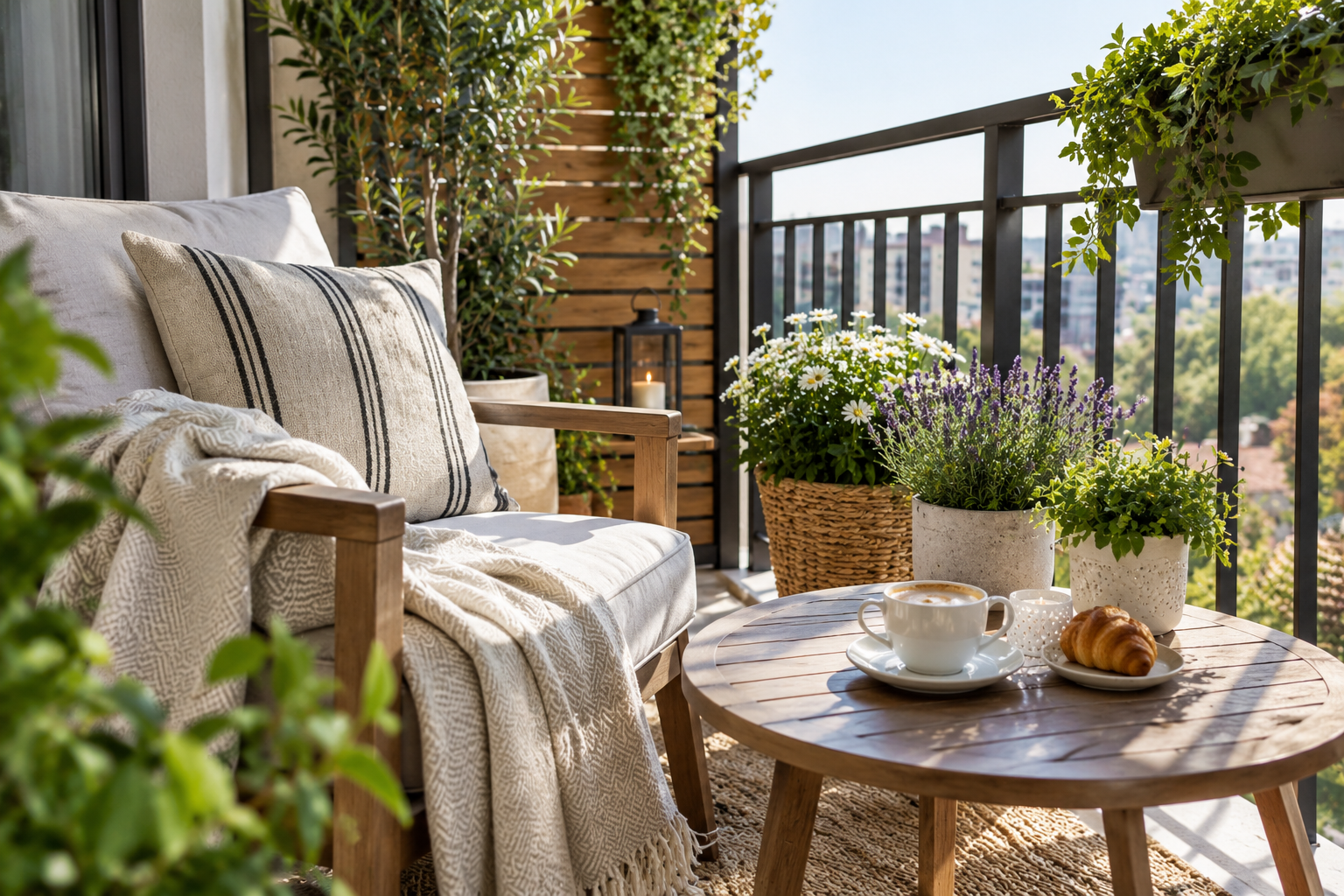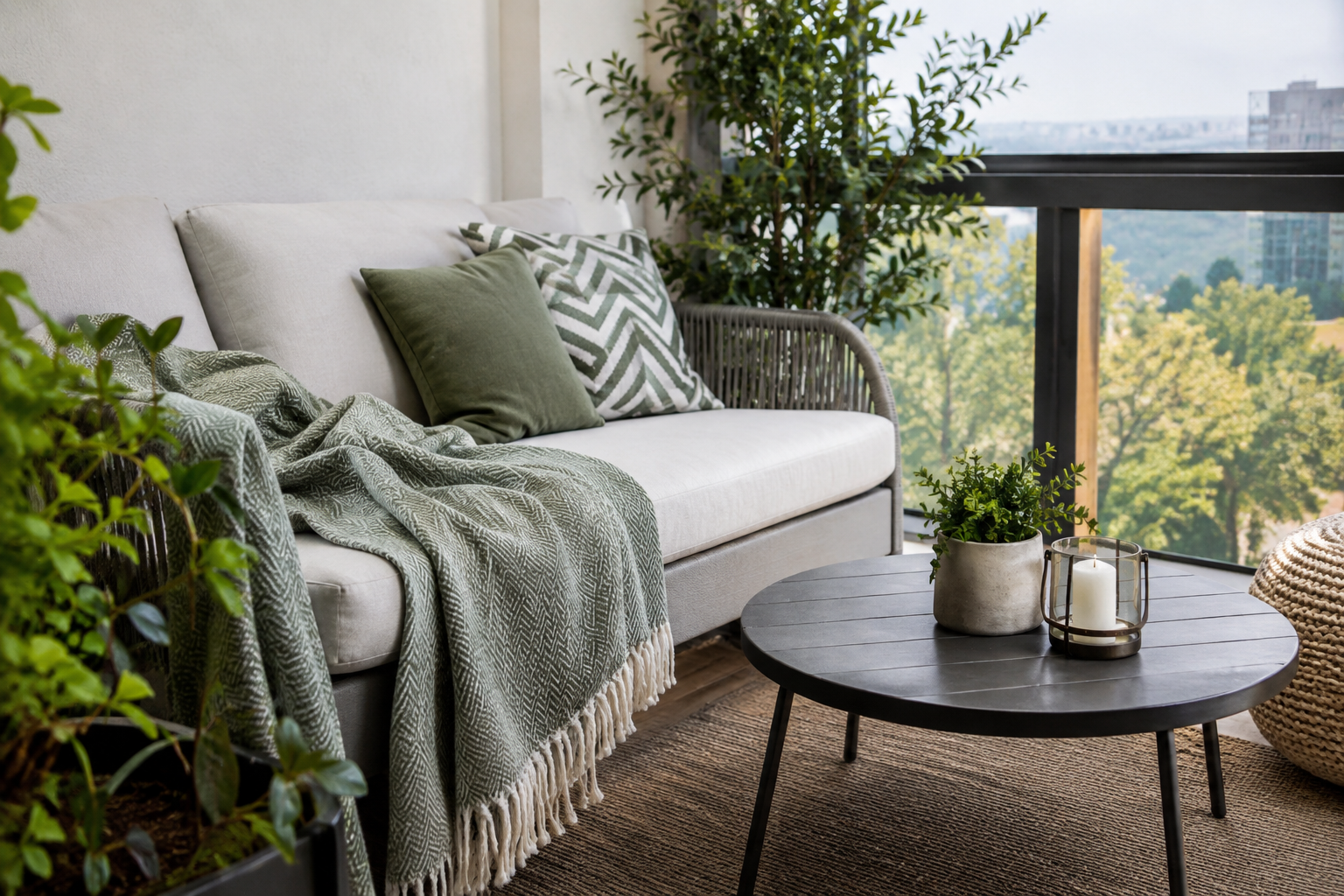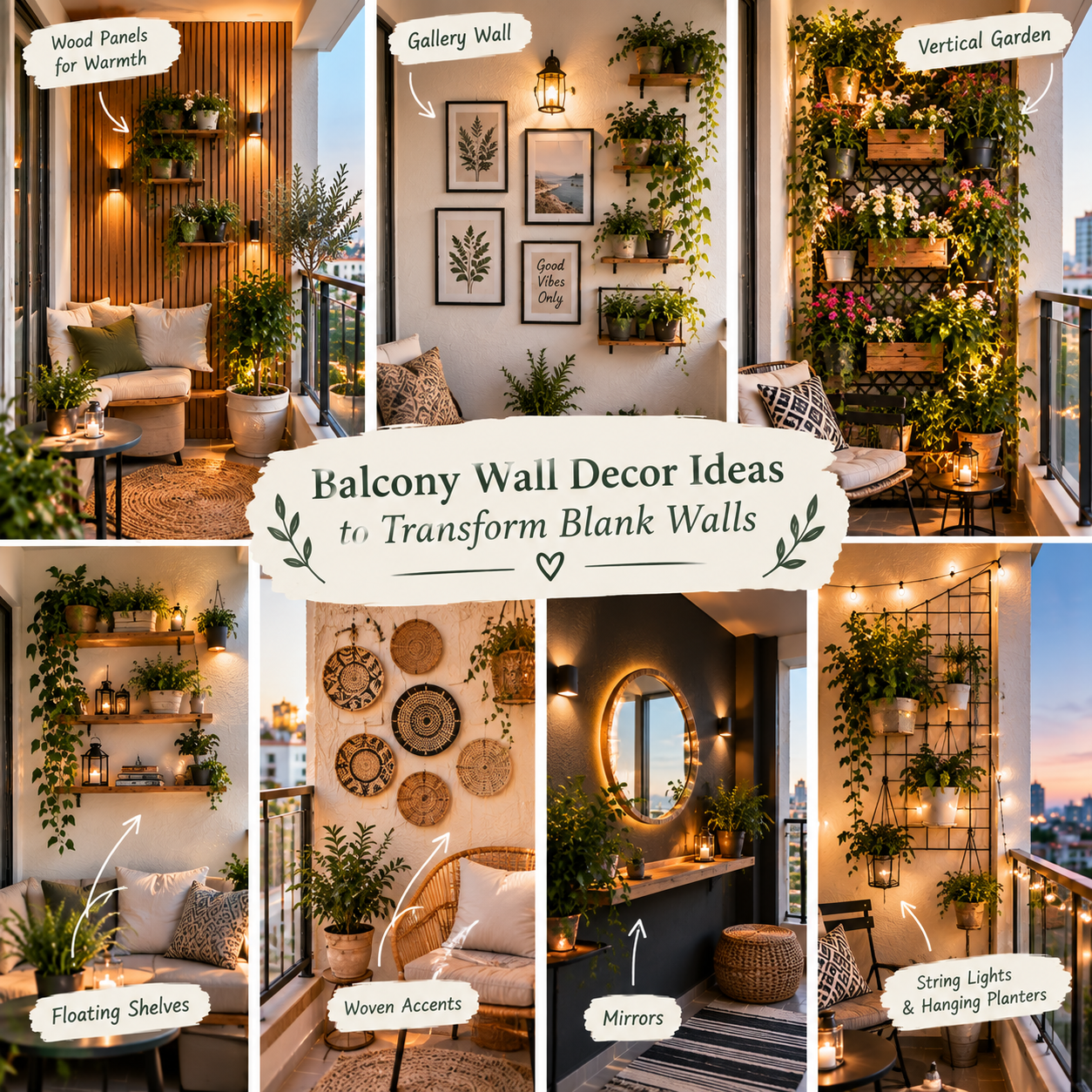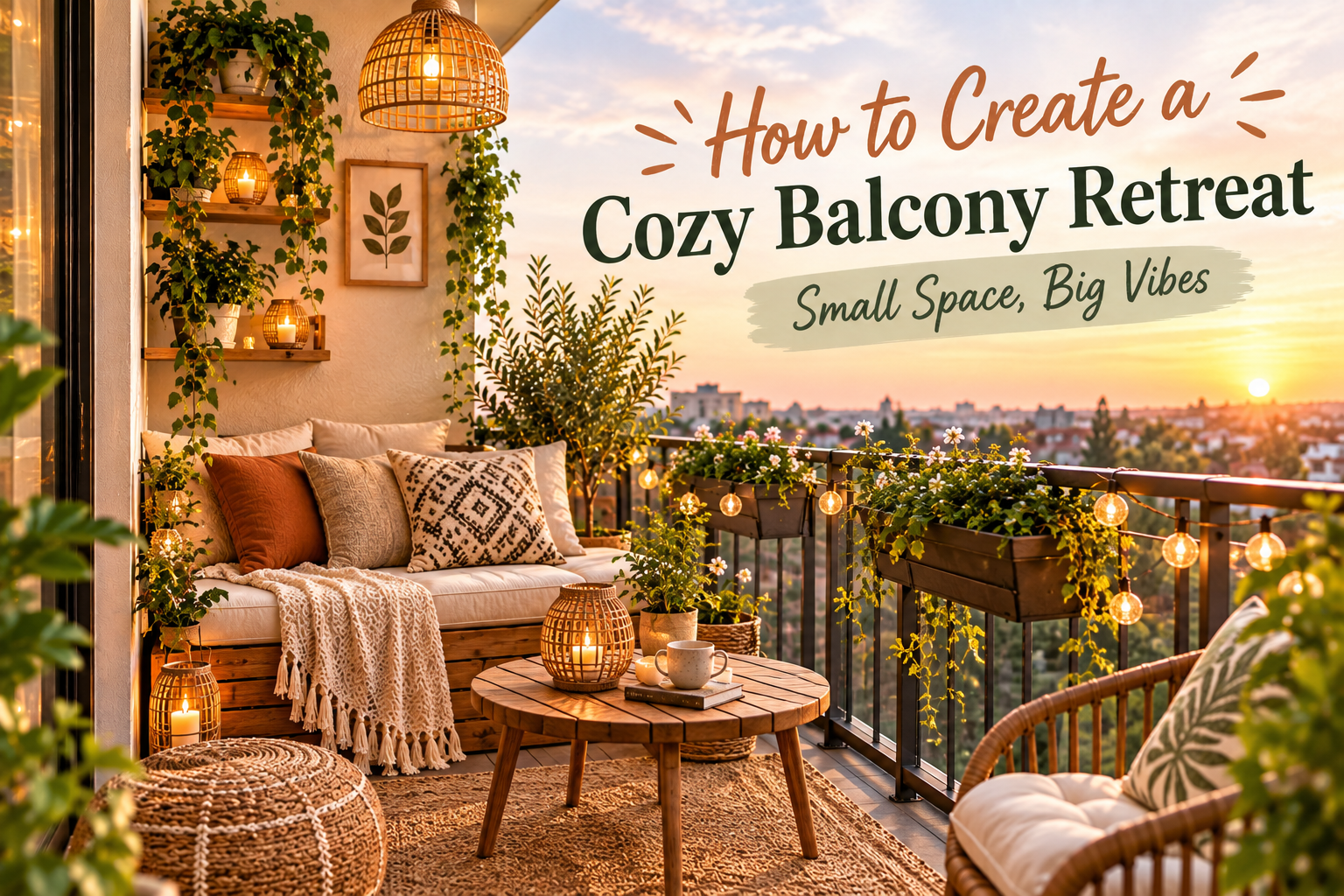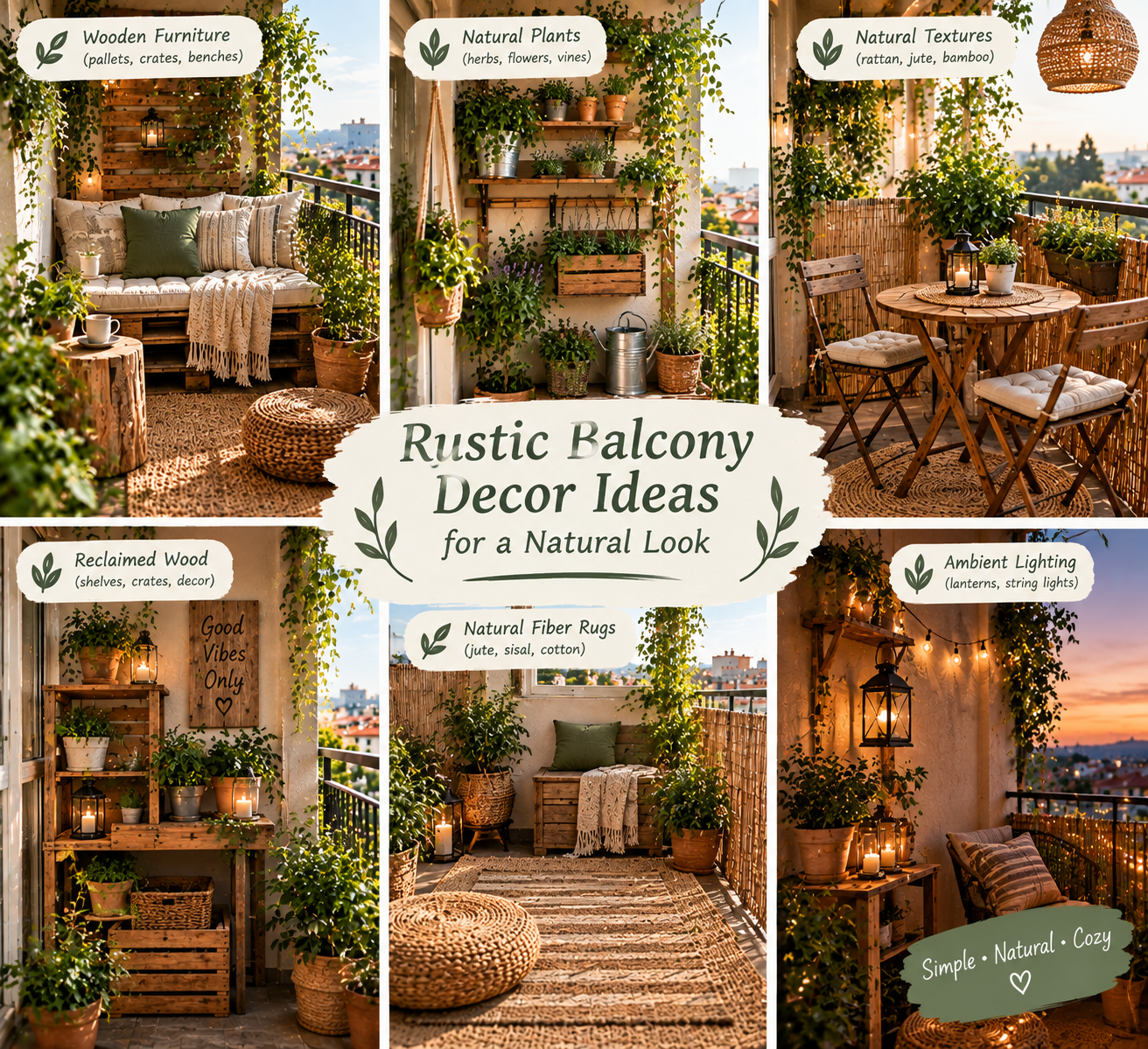
Urban outdoor spaces frequently present distinct architectural friction points, ranging from exposed concrete slabs and harsh metal railings to jarring sightlines that disrupt any sense of organic tranquility. Addressing these spatial constraints requires more than simply placing a few potted plants on the floor. It demands a deliberate strategy rooted in texture balancing, scale management, and an understanding of how natural light interacts with weathered surfaces. Integrating rustic balcony decor ideas for a natural look allows you to soften rigid urban boundaries and establish a seamless transition between interior living areas and the untamed beauty of the outdoors. By focusing on raw materiality, authentic patinas, and ergonomic circulation paths, even the most compact apartment loggia can evolve into a grounded, restorative sanctuary. The challenge lies in curating elements that withstand elemental exposure while maintaining visual warmth, ensuring the space feels both deeply personal and structurally sound.
Establishing the Foundational Layer: Flooring and Structural Anchors
The foundation of any successful rustic outdoor design scheme begins beneath your feet. Urban balconies typically feature cold, poured concrete or generic ceramic tile that immediately breaks the illusion of a natural forest or countryside retreat. Introducing warmth requires modifying this basal plane without violating lease agreements or exceeding the weight capacity of the cantilevered slab.
Interlocking Wood Tiles and Natural Stone Pavers
Interlocking deck tiles composed of teak, acacia, or thermally modified ash provide an immediate textural upgrade. These modular systems feature snap-together plastic bases that allow water drainage underneath, preventing rot and moisture accumulation. Alternatively, laying flat river stone borders or slate pavers along the perimeter introduces a rugged, earth-bound aesthetic that grounds vertical plantings. When working with wood, apply a penetrating natural oil annually to protect the fibers from UV degradation while enriching the deep amber and chocolate undertones of the grain.
Balustrade and Railing Treatments
Exposed iron or aluminum railings often clash with organic design themes. To mitigate this, wrap vertical balusters in split bamboo screening, woven willow hurdles, or heavy-gauge natural hemp rope. This treatment softens the industrial silhouette of metal railings and creates an effective visual barrier that enhances privacy while establishing a cohesive rustic envelope. Ensure that any applied screening allows adequate airflow to prevent wind turbulence during high-velocity weather events.
Curating Tactile Furnishings and Spatial Proportions
Selecting furniture for a small outdoor footprint demands careful adherence to scale. Oversized sectionals overwhelm tight dimensions, while flimsy plastic chairs cheapen the overall aesthetic. The goal is to establish a singular focal anchor that invites lingering while preserving optimal clearance for movement.
- Assess the exact swing radius of balcony doors and window operations before introducing bulky frames.
- Select seating crafted from weathered teak, reclaimed barn wood, or hand-woven rattan featuring organic color undertones.
- Incorporate nesting tables instead of a monolithic coffee table to maintain flexible negative space and clear circulation pathways.
- Layer the seating surfaces with heavy, tactile textiles such as raw linen, undyed wool, and weather-resistant canvas cushions in muted earth tones.
When selecting rustic furniture for exterior environments, prioritize joinery techniques over synthetic adhesives. Mortise and tenon joints combined with stainless steel hardware accommodate the natural expansion and contraction cycles caused by fluctuating humidity and temperature shifts.
To deepen your understanding of how material durability intersects with rustic design aesthetics, review the comparative breakdown of common outdoor elements below.
| Material Classification | Primary Aesthetic Benefit | Durability and Maintenance Profile | Ideal Spatial Application |
|---|---|---|---|
| Reclaimed Teak | Rich golden-brown aging to a distinguished silver-gray patina. | Exceptional natural oils resist rot; requires semi-annual cleaning. | Primary seating frames and low-profile benches. |
| Woven Willow and Rattan | Introduces organic curvature and intricate shadow play. | Moderate; must be stored indoors or covered during harsh winter freezes. | Accent armchairs and hanging swing pods. |
| Cast Stone and Terracotta | Provides heavy visual weight and authentic earthenware texture. | Porosity requires frost-proof grading or indoor winter storage. | Planters, pedestal bases, and sculptural vessels. |
| Wrought Iron | Offers stark linear contrast and traditional craftsmanship. | Susceptible to surface oxidation; requires rust-inhibiting primer touch-ups. | Railing brackets, plant stands, and bistro frames. |
Botanical Styling and Vertical Greenery Architecture
Vegetation serves as the primary bridge between urban architecture and the natural world. Instead of lining pots uniformly along the perimeter, treat the vertical plane as a living canvas. This strategy maximizes limited square footage while creating a sense of being enveloped by a lush, overgrown landscape.
- Mount distressed wooden ladder racks against blank exterior walls to tier potted ferns and trailing succulents.
- Install hanging Kokedama moss balls suspended from natural jute twine to introduce dynamic movement at eye level.
- Utilize heavy, unglazed terracotta pots of varying heights to encourage deep root growth and showcase the natural efflorescence that develops over time.
- Integrate aromatic herbs such as rosemary, thyme, and lavender to engage olfactory senses alongside visual textures.
When curating plant palettes for rustic balconies, consider the microclimate of your specific floor level. Higher stories frequently experience accelerated wind speeds and intense solar glare, necessitating drought-tolerant, wind-resistant species like ornamental grasses, dwarf conifers, and hardy succulents. Conversely, shaded ground-floor balconies thrive under the canopy of broad-leafed hostas and delicate woodland ferns.
Multi-Layered Illumination and Atmospheric Lighting
Lighting transforms a balcony from a purely daytime retreat into an intimate evening sanctuary. Relying on a single overhead dome light destroys the moody, rustic atmosphere necessary for relaxation. True atmospheric depth requires a multi-layered illumination strategy divided into ambient, task, and accent lighting.
Ambient and Task Illumination
Incorporate low-voltage LED string lights featuring Edison-style filaments strung along the ceiling perimeter or woven through railing screens. These cast a warm, amber glow reminiscent of vintage rural outbuildings. For task lighting over reading chairs, use rechargeable, solar-powered lanterns housed in woven wire or bamboo frames that can be positioned securely on tabletops without exposed cords.
Accent and Shadow Play
Place heavy iron hurricane lanterns containing beeswax candles directly on the floor near planter bases. The flickering flame casts elongated, dancing shadows against brick or wood-clad walls, accentuating the rough textures of the surrounding materials. Ensure all electrical components carry an appropriate ingress protection rating to withstand incidental rain splashes and morning condensation.
Frequently Asked Questions About Rustic Balcony Decor Ideas for a Natural Look
How do I protect wooden rustic furniture from weather damage on an uncovered balcony?
Protecting exposed wood requires a combination of preventative sealing and seasonal management. Apply a high-grade penetrating exterior oil or marine varnish containing UV inhibitors before placing furniture outside. This blocks moisture penetration while allowing the wood to breathe. During prolonged periods of heavy rain, snow, or freezing temperatures, invest in breathable, waterproof covers that secure tightly beneath the legs to prevent moisture wicking from wet concrete flooring.
What are the best plants to create a natural rustic look in a small urban space?
Achieving an authentic rustic aesthetic relies on plants with varied textures, muted green tones, and naturalistic growth habits. Excellent choices include trailing English ivy, silvery artemisia, structured boxwood spheres, and feathery ornamental grasses like blue fescue. Grouping these specimens in mismatched, weathered earthenware containers creates an organic, windswept appearance that mimics a natural meadow or woodland edge.
Can I achieve a rustic look on a rented balcony without making permanent structural changes?
You can completely transform a rental balcony using non-permanent, surface-mounted design strategies. Interlocking wooden deck tiles lay directly over existing concrete without adhesives. Privacy screens and vertical plant holders can be tension-mounted or secured using heavy zip-ties and clamps attached to existing railings. Freestanding furniture, outdoor rugs woven from natural jute or recycled plastics, and battery-operated lanterns allow you to achieve a deeply customized rustic style that is entirely reversible upon moving out.
How do I balance heavy rustic elements without making a small balcony feel cluttered?
Balancing heavy elements in tight spaces requires strict adherence to negative space principles and visual weight distribution. Choose one primary heavy focal anchor, such as a reclaimed wood bench or a large cast-stone planter, and keep surrounding items visually lighter, such as wire-frame tables or hanging glass vessels. Maintain a clear, unobstructed central walking path and utilize vertical wall surfaces for storage and greenery to keep the floor plan feeling open and breathable.