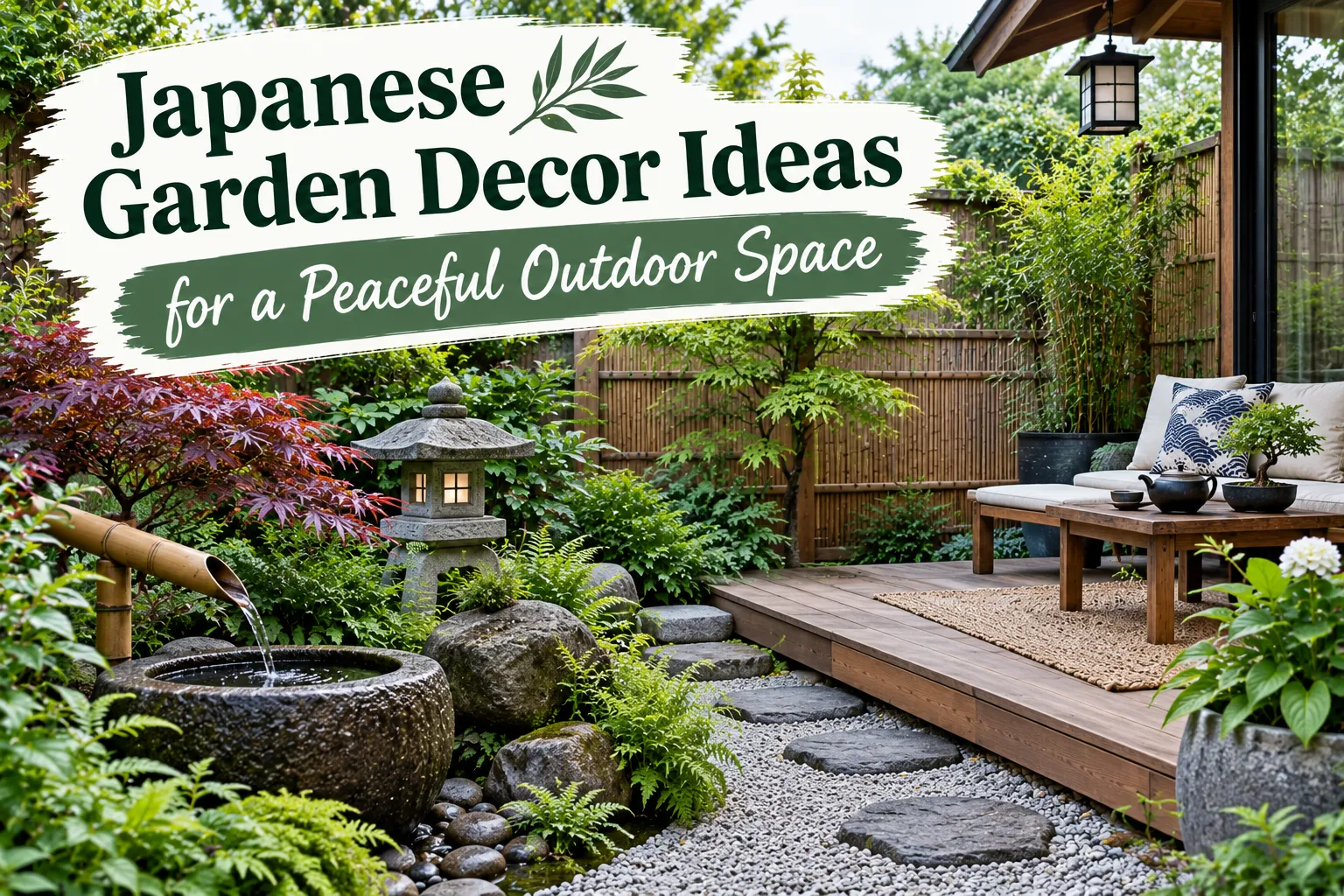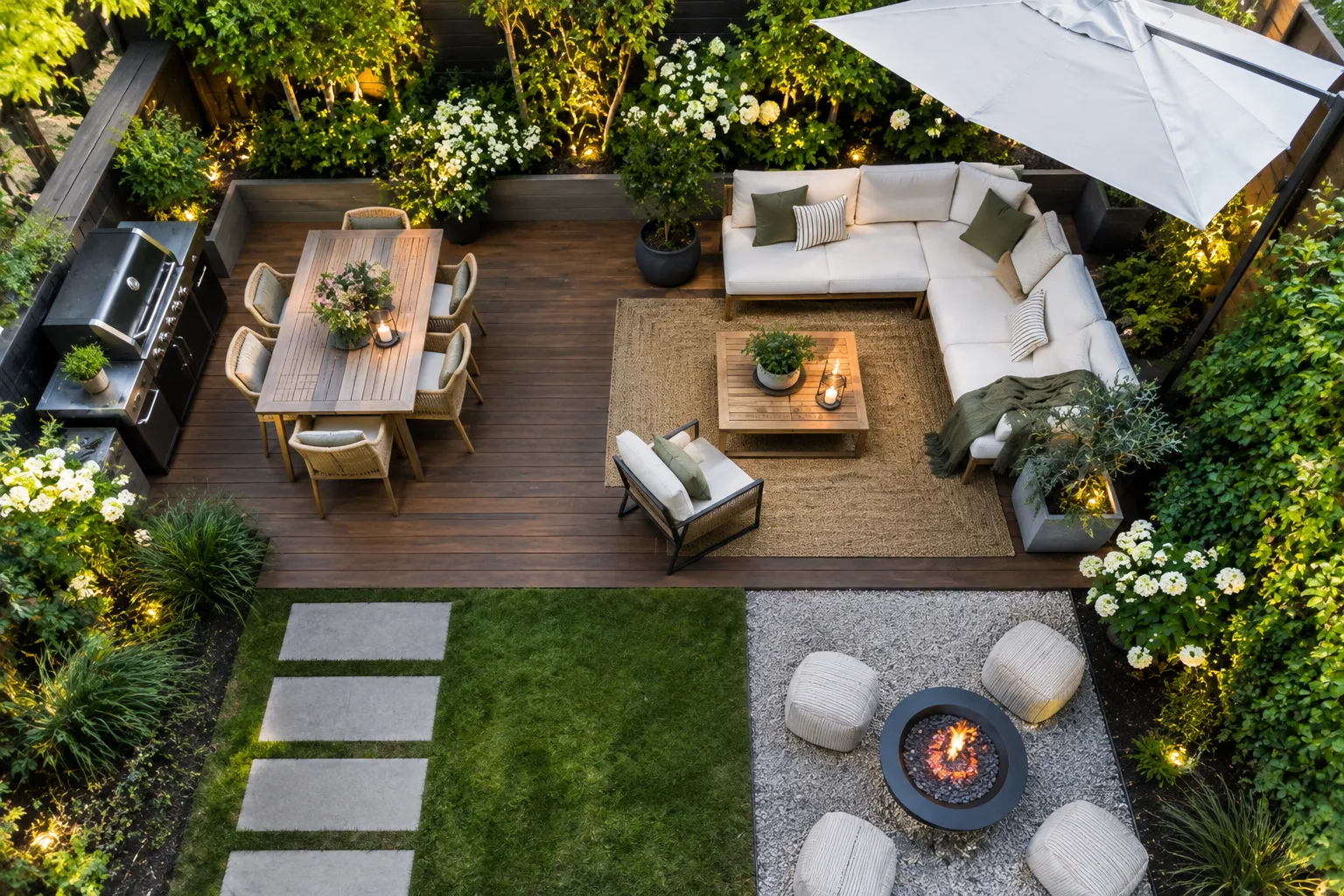
Transforming an underutilized exterior footprint into an architectural extension of the interior requires more than casual plant placement and seasonal furniture shopping. When evaluating modern garden decor ideas for a stylish backyard, professional designers must address complex environmental variables including persistent shadows, soil compaction, harsh sightlines from upper-story windows, and the relentless degradation of materials caused by ultraviolet exposure and moisture fluctuation. Contemporary landscape design demands a rigorous approach to spatial hierarchy, negative space, and material honesty. Instead of relying on decorative clutter, successful modern yards leverage restrained palettes, monolithic focal anchors, and deliberate textural contrasts between raw concrete, oxidized steel, warm hardwoods, and lush, unmanicured foliage. Balancing these elements creates a cohesive microclimate that feels curated yet organic, shifting smoothly from active daytime entertaining zones to serene nocturnal retreats bathed in calibrated illumination.
Architectural Foundations and Spatial Planning
Every exceptional outdoor design begins with a meticulous assessment of sightlines, circulation paths, and zone demarcation. Modern backyards often struggle with rigid boundary walls or awkward lot geometries that disrupt visual flow. To correct this, designers introduce architectural layering that guides the eye through the space while establishing distinct utility pockets for dining, lounging, and quiet contemplation.
Establishing Circulation and Negative Space
Circulation paths dictate how human bodies move through an exterior space. Narrow, winding gravel trails give way to wide, geometric stepping stones set within dense ground covers like creeping thyme or miniature mondo grass. Leaving large portions of the yard unprogrammed as negative space is critical. This open expanse prevents visual fatigue, giving architectural plantings and statement decor items the breathing room they require to command attention without overwhelming the perimeter.
Balancing Visual Weight and Focal Anchors
Visual weight refers to how heavy a specific object appears within a field of view. A massive cast-concrete fire table or a monumental piece of abstract metal sculpture commands immense visual weight, requiring lighter, more transparent elements nearby to achieve equilibrium. Designers balance these heavy focal points by pairing them with open-slat pergolas, slender grasses that sway with the wind, or low-profile seating arrangements that sit flush against the horizontal plane.
Materiality, Texture, and Durability
Selecting materials for modern garden decor involves predicting how surfaces will weather, age, and interact with surrounding natural elements over decades. True luxury in contemporary landscape architecture stems from embracing patinas rather than fighting them. Corten steel develops a stable, rust-colored protective oxide layer; ipe wood transitions from rich amber to a sophisticated silvery gray; and poured-in-place concrete softens as wind-borne mosses settle into microscopic pores.
| Material Class | Primary Application | Weathering Characteristics | Maintenance Requirements |
|---|---|---|---|
| Corten Steel | Raised planters, edging, retaining walls | Develops a sealed rust patina; resists deep structural corrosion | Minimal; rinse away heavy debris periodically |
| Architectural Concrete | Pavers, fire features, monolithic benches | Retains smooth finish; develops subtle mineral staining | Annual sealing to prevent freeze-thaw cracking |
| Thermally Modified Wood | Decking, privacy screens, wall cladding | Shifts to silver-gray unless UV-inhibiting oil is applied | Bi-annual oiling to preserve original hue |
| Anodized Aluminum | Pergola frames, furniture frames, planters | Extremely stable; resists fading, chipping, and rust | Occasional washing with mild soap and water |
The Four-Step Hardscape and Decor Integration Workflow
Implementing modern garden decor requires a disciplined sequence of installations to prevent damaging finished surfaces or burying utility lines.
- Map all underground irrigation, electrical conduits, and drainage slopes before breaking ground on hardscape installations or anchoring heavy planters.
- Install permanent architectural anchors first, including large concrete pavers, retaining walls, water features, and structural shade elements like steel or timber pergolas.
- Layer mid-scale decorative elements such as freestanding privacy screens, modular seating arrangements, and large-scale architectural pottery.
- Introduce the living palette, planting large canopy trees and structural shrubs to establish vertical scale before filling in with ornamental grasses and perennials.
Lighting Strategies for Depth and Atmosphere
Natural daylight dictates how a garden functions from sunrise to sunset, but thoughtful artificial illumination determines its usability and emotional resonance long after dark. Relying on a single floodlight destroys the subtle shadows and volumetric depth that modern landscapes require. A comprehensive lighting plan incorporates three distinct layers working in absolute harmony.
Ambient, Task, and Accent Illumination
- Ambient lighting provides the baseline visibility necessary for safe navigation across changes in elevation, utilizing low-profile path lights and integrated deck stair risers.
- Task lighting focuses on functional areas, such as overhead downlights integrated into pergola beams above an outdoor kitchen preparation counter.
- Accent lighting creates high-contrast drama by positioning narrow-beam uplights at the base of multi-stemmed birch trees, casting intricate leaf shadows against boundary walls.
Never position lighting fixtures so that they shine directly into human eyes or neighbor windows. Shielded, low-glare LED fixtures with warm color temperatures between 2700K and 3000K preserve the nocturnal ambiance while highlighting the raw texture of stone and bark.
Integrating Living Architecture and Soft Decor
Plant material functions as living decor in a modern landscape, offering dynamic shifts in color, density, and sound throughout the four seasons. Selecting specimens with strong structural silhouettes eliminates the need for excessive ornaments or garden gnomes. Architectural plants serve as natural sculptures that anchor corners, soften harsh masonry walls, and frame specific viewing angles from interior living spaces.
Plant Selection for Structural Impact
Vertical forms like columnar beech trees or Swedish aspens provide stark contrast against sprawling horizontal elements like low concrete seating walls. Grasses such as feather reed grass introduce verticality coupled with kinetic movement, rustling softly when touched by evening breezes. By pairing these architectural greens with monochromatic container plantings—such as black-leafed elephant ears in raw zinc pots—designers achieve an editorial aesthetic that reads as intentional and refined.
Frequently Asked Questions About Modern Garden Decor Ideas for a Stylish Backyard
How do I make a small modern backyard feel larger?
To expand the perceived volume of a compact outdoor area, eliminate visual clutter and prioritize large-format paving units with narrow grout lines. Smaller pavers create a busy grid that shrinks the space. Additionally, employ vertical green walls or slatted timber screens to draw the eye upward, and use low-profile furniture that maintains clear sightlines across the entire floor plate.
What are the best materials for low-maintenance modern garden decor?
Anodized aluminum, marine-grade stainless steel, composite decking, and thick-walled concrete represent the pinnacle of low-maintenance exterior design. These materials withstand extreme thermal shifts, resist pest infiltration, and require only occasional washing with a garden hose to maintain their pristine architectural appearance over many years.
How can I incorporate privacy into a modern backyard without building a fortress?
Solid privacy fences often create an oppressive, box-like enclosure. Instead, opt for staggered architectural louvers, tensioned cable trellises covered in evergreen vines, or groupings of narrow, multi-stemmed ornamental trees planted in a linear hedge formation. These strategies obscure unwanted views while maintaining essential cross-ventilation and dappled light penetration.
What color palette defines contemporary modern garden design?
Modern outdoor palettes rely heavily on achromatic base colors including charcoal, slate gray, crisp white, and matte black. These neutral tones are warmed by natural timber accents, oxidized metal rust hues, and a vibrant botanical spectrum dominated by varied shades of green rather than chaotic, multicolored floral displays.
Can modern garden decor withstand harsh winter climates?
Yes, provided you select freeze-thaw-rated materials. Ensure concrete planters possess adequate drainage holes and are elevated off frozen soil using pot feet to prevent cracking. Hardwood furniture should be treated with protective sealants, and upholstered cushions must be stored in waterproof deck boxes or brought indoors during prolonged freezing periods.