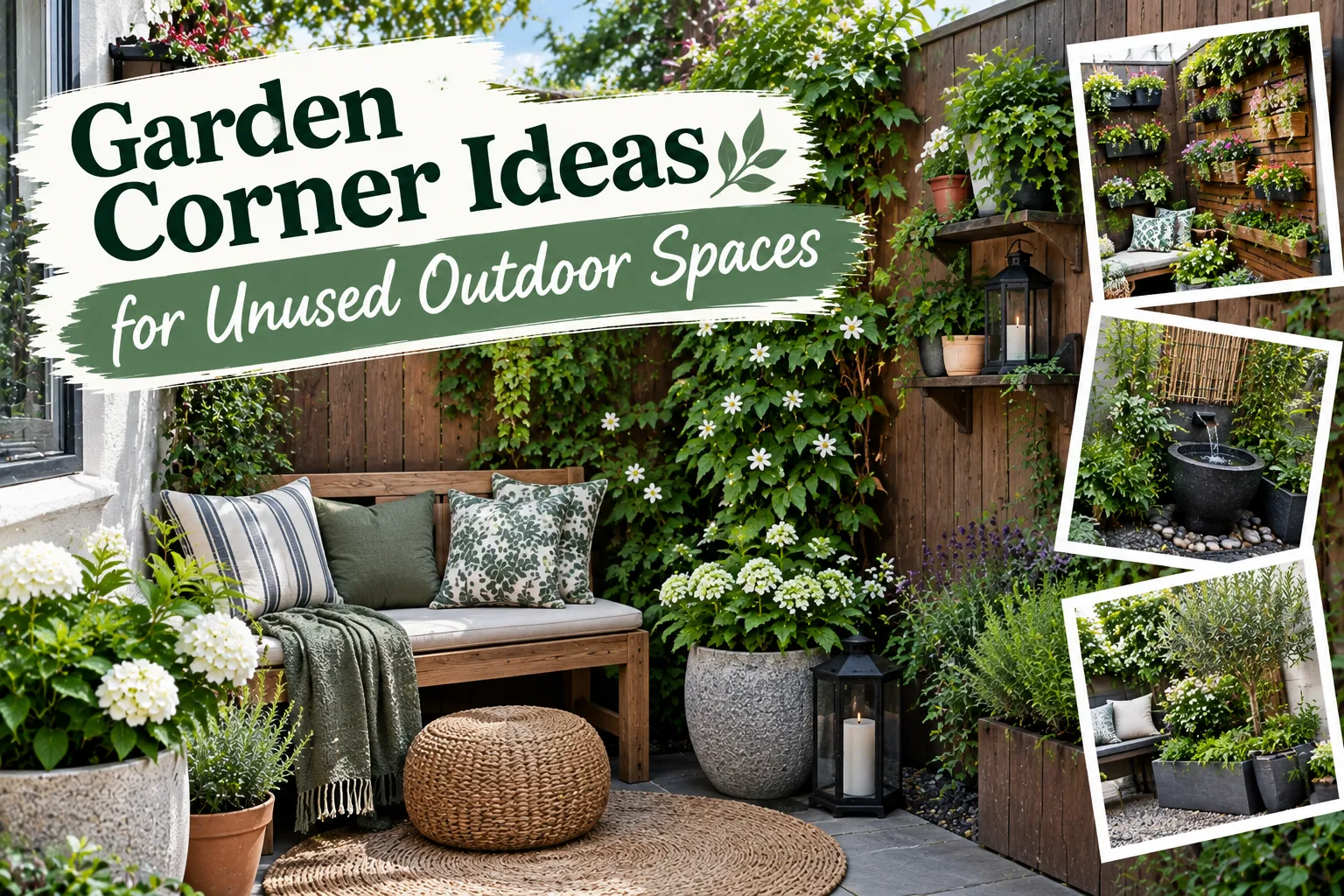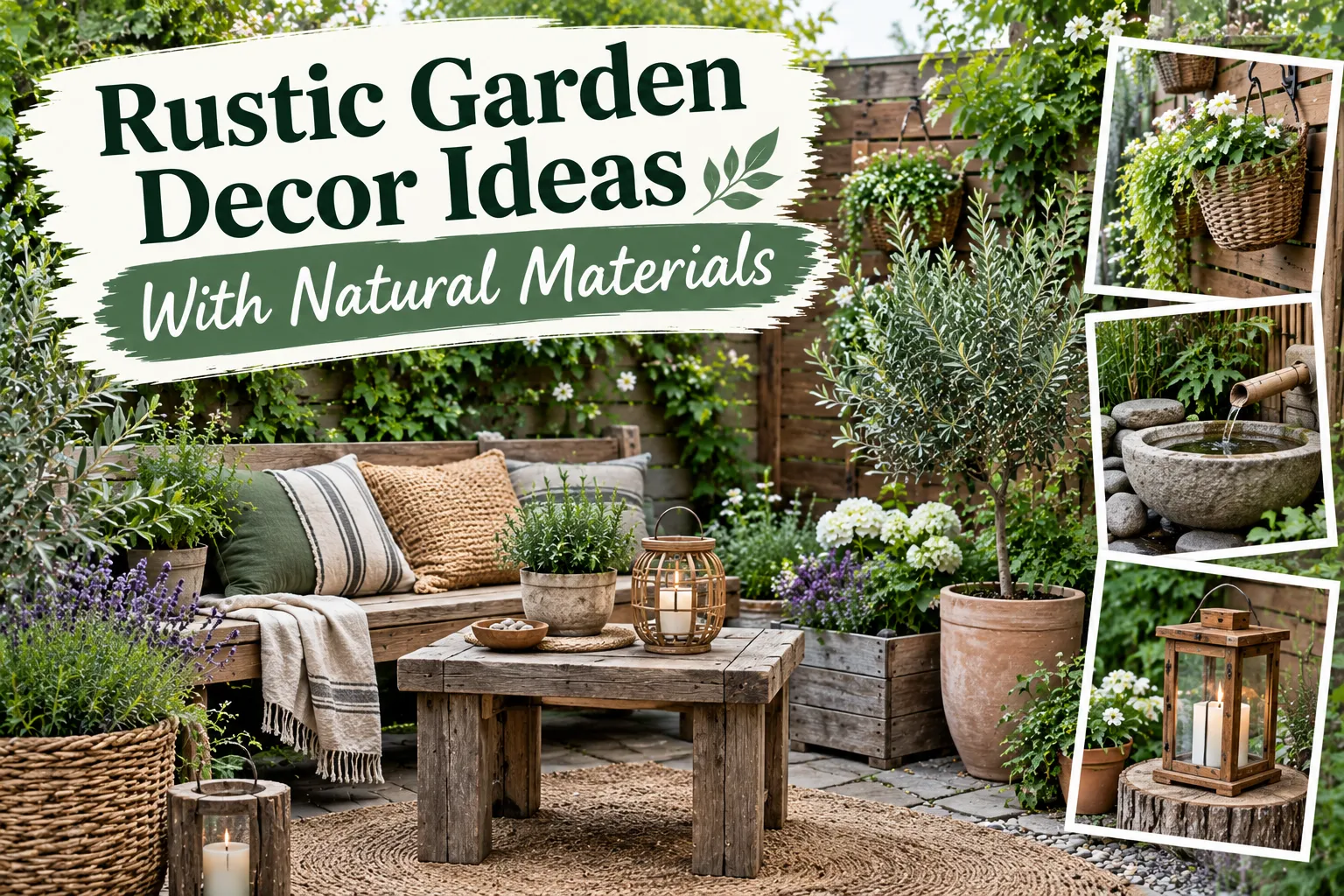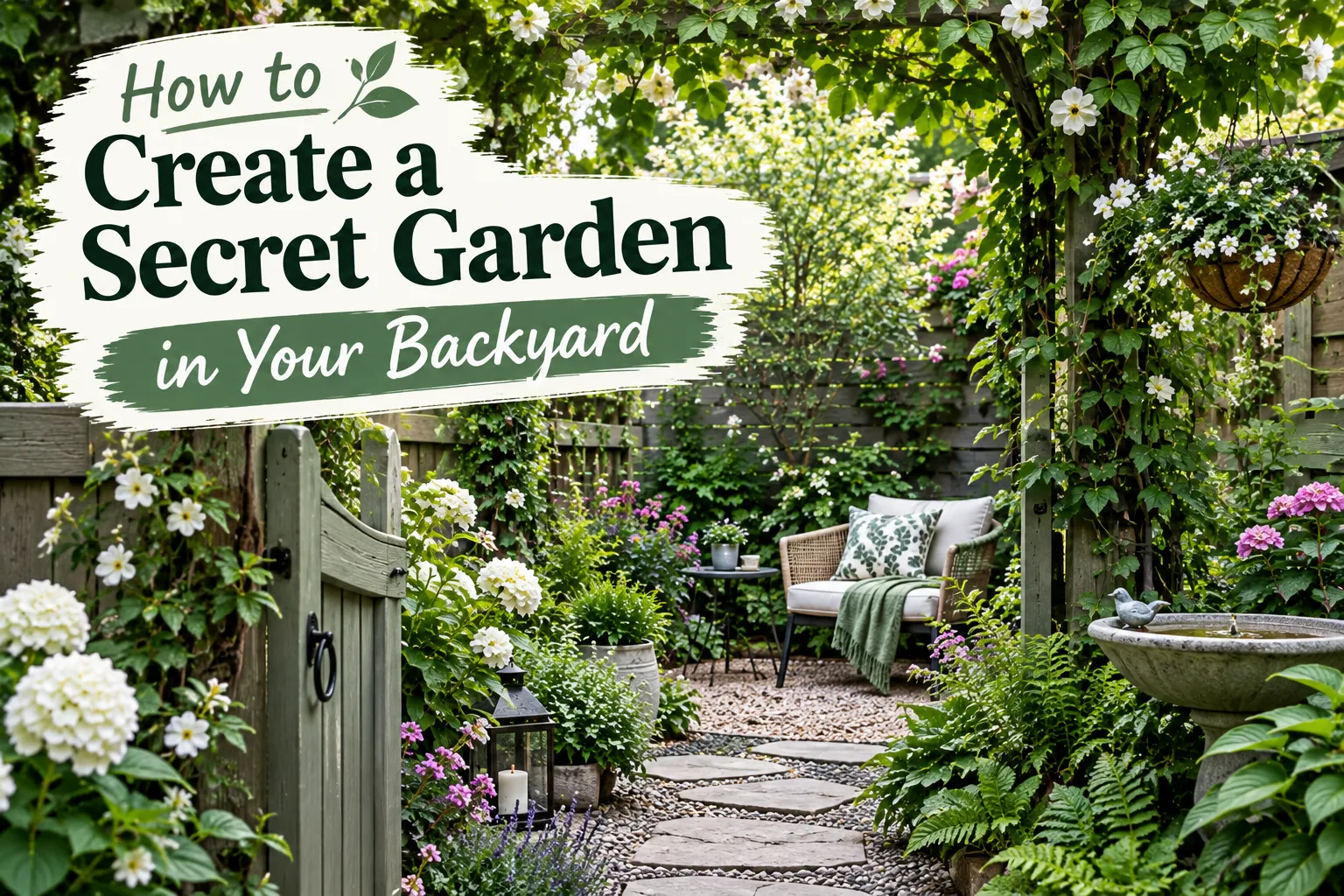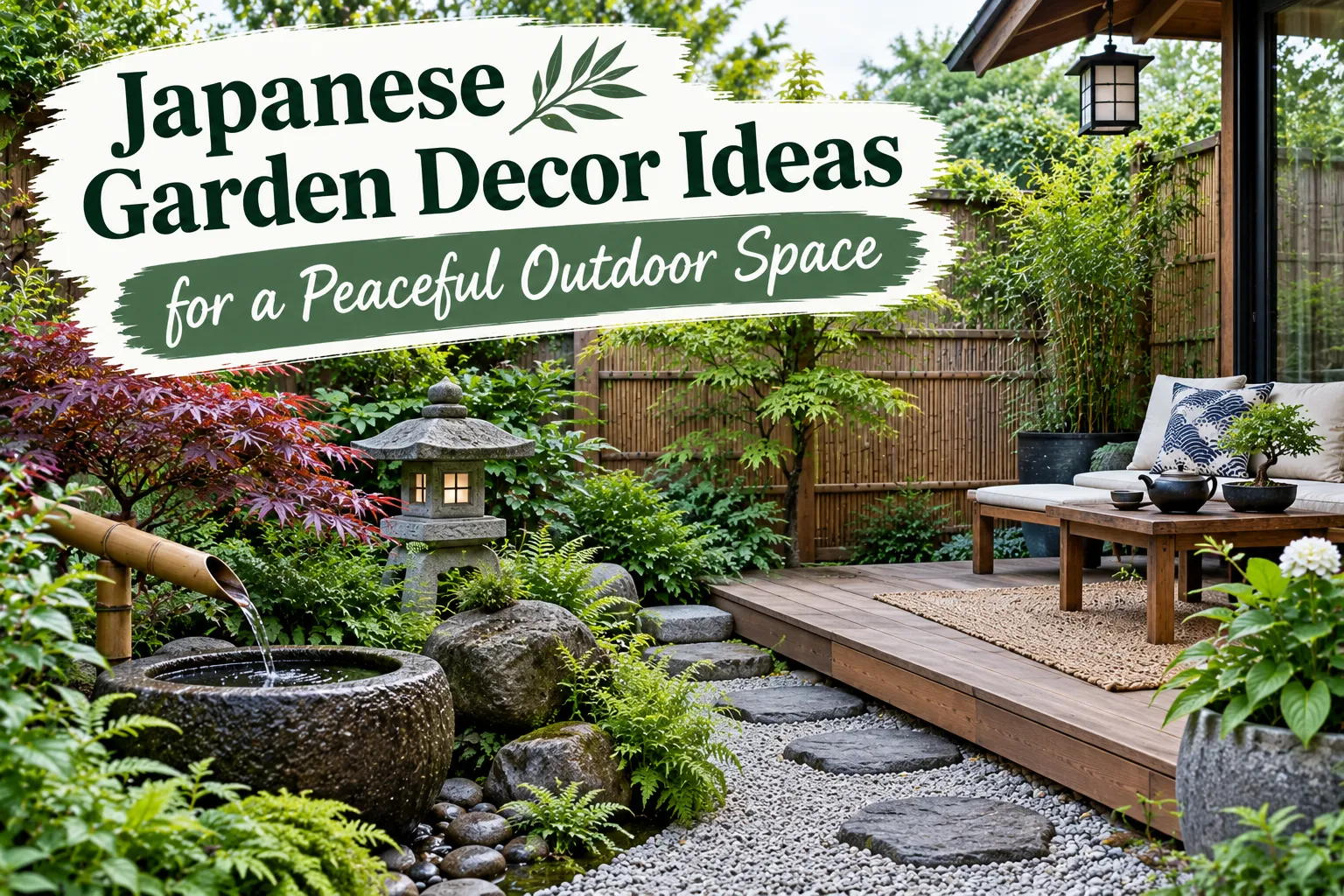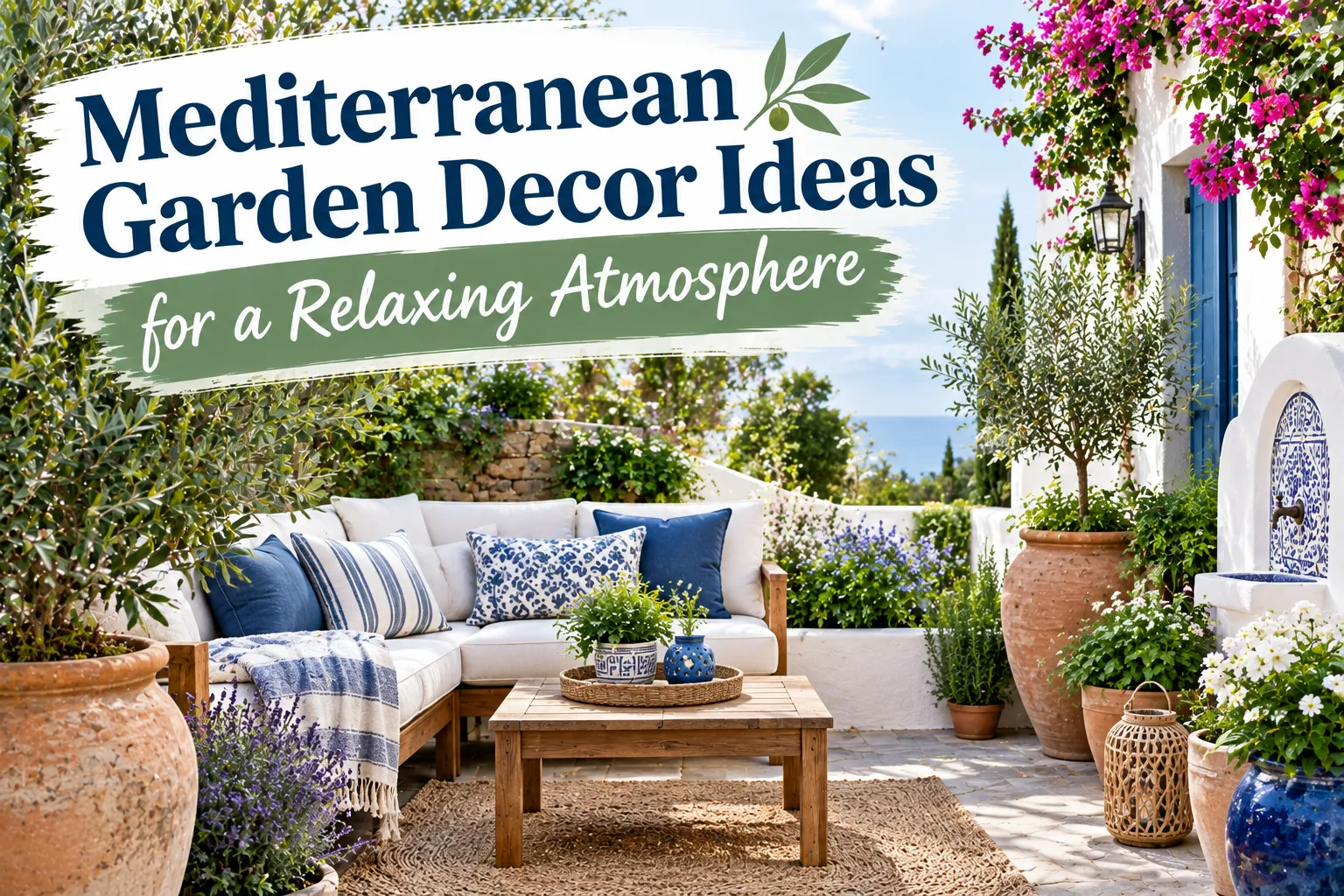
Transforming an exterior landscape into a restorative haven requires a delicate balance of sun-bleached textures, structural plantings, and purposeful spatial zoning. When implementing Mediterranean garden decor ideas for a relaxing atmosphere, you must address the inherent architectural friction points of your site, such as harsh microclimates, glaring sunlight, and awkward circulation paths. Many homeowners struggle with creating a cohesive coastal retreat because they rely on fragmented decorative elements rather than a unified spatial doctrine rooted in regional vernacular. By harnessing natural materials, balancing visual weight, and manipulating light behavior, you can cultivate an environment that feels both grounded and deeply serene. This guide explores the architectural nuances, material selections, and lighting strategies required to craft a functional, high-end Mediterranean sanctuary that stands the test of time.
Architectural Foundations and Spatial Zoning
The foundation of any successful Mediterranean landscape lies in its structural layout and the deliberate management of sightlines. Unlike sprawling English country gardens that prioritize organic chaos, Mediterranean spaces are defined by architectural restraint, strong geometric layouts, and intimate micro-zones. Establishing a relaxing atmosphere begins with mapping out circulation paths that encourage slow, contemplative movement throughout the garden.
Defining Outdoor Rooms and Pathways
To prevent an exterior space from feeling flat or exposed, subdivide the overall footprint into distinct functional zones. Use low-profile retaining walls, changes in elevation, or shifts in paving materials to delineate dining spaces, reading nooks, and contemplative water features. Pathways should wind organically rather than cut straight across the lawn, utilizing stabilized decomposed granite, irregular flagstone, or handmade terracotta tiles that invite barefoot exploration.
- Analyze the existing topography to identify natural elevation changes and drainage patterns before laying out pathways.
- Establish primary sightlines from interior living areas to draw the eye toward a compelling focal anchor, such as an aged olive tree or a stone wall fountain.
- Incorporate shaded transitional zones, such as pergolas draped in deciduous vines, to create a comfortable decompression chamber between the interior and exterior environments.
When designing hardscapes in sun-drenched environments, always specify high-albedo paving materials to reflect solar radiation and reduce surface temperatures, ensuring the space remains comfortable for bare feet during peak afternoon hours.
Materiality and Tactile Pairings
The sensory experience of a Mediterranean garden is largely defined by its raw, unpretentious materials that develop a rich patina over time. Selecting the right palette involves balancing cool, heavy stones with warm, porous metals and organic textiles. Avoid synthetic finishes that resist weathering; instead, lean into materials that age gracefully under the influence of sun, wind, and moisture.
- Natural limestone and travertine for coping stones, steps, and patio surfaces, offering subtle warmth and non-slip textures.
- Wrought iron and forged steel for pergolas, light fixtures, and furniture frames, providing a dark visual contrast against pale stucco walls.
- Terracotta planters and amphorae left unglazed so they can breathe, absorb mineral deposits, and acquire an authentic coastal patina.
- Untreated teak or weathered acacia wood for seating elements, introducing organic warmth without competing with surrounding stone work.
Color Theory and Botanical Selection
Color in a refined Mediterranean landscape is dictated by the interaction of intense sunlight with natural pigments. Bright, saturated hues will quickly overwhelm a space under harsh midday sun, making muted, desaturated tones a safer and more sophisticated choice. The overarching color palette should draw inspiration from sun-baked earth, coastal waters, and native flora.
| Palette Category | Primary Pigments | Design Application | Contrast & Mood Impact |
|---|---|---|---|
| Earthy Neutrals | Warm bone, travertine, sand | Boundary walls, major hardscaping, pergolas | Maximizes reflected light; establishes a calm, expansive base. |
| Coastal Blues | Aegean, indigo, faded cobalt | Window shutters, textiles, ceramic tile accents | Provides a cool visual anchor against sun-bleached stone. |
| Botanical Greens | Silver-sage, olive, cypress green | Perennial foliage, structural shrubs, hedges | Softens hard architectural lines and absorbs glaring light. |
| Terra Cotta | Burnt sienna, ochre, faded rust | Containers, architectural tiles, gravel pathways | Grounds the visual weight of tall structures and adds warmth. |
Planting Strategies for Low Maintenance and Sensory Calm
Botanical choices must align with the dry-summer, wet-winter realities of the climate while delivering continuous acoustic and olfactory pleasure. Plant selection should focus on silvery foliage that diffuses intense light, aromatic herbs that release calming essential oils when brushed against, and architectural specimens that cast compelling shadows against pale walls.
Drought-tolerant species such as Lavandula angustifolia, Rosmarinus officinalis, and Santolina chamaecyparissus form the backbone of the planting beds. These specimens require minimal irrigation once established and contribute significantly to the sensory landscape. Pair these low-growing shrubs with vertical accents like Cupressus sempervirens to interrupt horizontal sightlines and create a sense of scale. The interplay of rigid vertical trunks and billowy, silvery foliage generates an effortless elegance that instantly lowers the heart rate of anyone entering the space.
Multi-Layered Illumination and Acoustic Architecture
A relaxing atmosphere relies heavily on how a space transforms after sunset. Relying on a single overhead floodlight destroys the intimacy of a garden. Instead, implement a sophisticated, multi-layered lighting scheme that accounts for ambient, task, and accent illumination. Furthermore, acoustic dampening is crucial for urban or suburban settings where exterior noise disrupts tranquility.
Designing the Evening Lightscape
Ambient lighting should be low-level and warm in color temperature, mimicking the glow of candlelight or fire. Recessed step lights along pathways prevent tripping hazards without casting harsh vertical glares. Accent lighting should be deployed strategically to highlight the sculptural forms of specimen olive trees or cast dramatic shadows of palm fronds across white stucco boundary walls.
- Install warm LED up-lighting (2400K to 2700K) at the base of architectural trees to accentuate their structural trunk patterns.
- Integrate low-voltage path lighting set flush into retaining walls or tucked discretely beneath planting beds to maintain safe circulation.
- Utilize portable brass lanterns and hand-blown glass candleholders on dining surfaces to create intimate focal points for evening gatherings.
Integrating Water Features for Acoustic Dampening
Unwanted ambient noise, such as distant traffic or neighborhood chatter, shatters the illusion of a secluded sanctuary. Integrating a water feature introduces white noise that effectively masks disruptive sounds while adding visual movement and humidity to dry microclimates. Wall-mounted stone fountains, simple stone basins, or linear rills lined with river stones provide a gentle, continuous soundscape that anchors the mind and promotes deep relaxation.
Furnishing, Textiles, and Finishing Details
The final layer of Mediterranean garden decor involves the selection of furnishings and textiles that bridge indoor comfort with outdoor durability. Furniture should possess low profiles that do not obstruct sweeping views of the landscape. Choose seating constructed from powder-coated aluminum wrapped in weather-resistant natural rope, or heavy wrought iron softened by high-density foam cushions upholstered in solution-dyed acrylic fabrics.
Textiles should embrace tactile luxury without appearing overly precious. Heavy linen throw blankets in natural flax colors, floor cushions upholstered in durable outdoor canvas, and patterned outdoor rugs featuring faded geometric motifs help define seating zones. Avoid excessive clutter; every decorative element, from hand-thrown ceramic oil jars to weathered iron birdbaths, must serve a distinct purpose in enhancing the narrative of a peaceful, sun-drenched retreat.
When curating accessories, anchor vignettes using odd numbers and varied heights. Grouping terracotta pots of different scales together creates visual harmony, while trailing vines like convolvulus or ivy soften the edges of hard containers. By maintaining a strict editing process and prioritizing quality over quantity, your Mediterranean garden will evolve into a deeply personal, restorative masterpiece.
Frequently Asked Questions About Mediterranean Garden Decor Ideas for a Relaxing Atmosphere
How do I adapt Mediterranean garden decor for a humid or rainy climate?
Adapting Mediterranean design to wetter regions requires focusing on hardscape drainage and soil composition rather than strict plant selection. Use raised beds filled with coarse gravel and sandy loam to ensure plant roots never sit in standing water. Opt for frost-resistant terracotta and treated hardwoods that withstand heavy moisture, and substitute sensitive drought-tolerant plants with hardier regional alternatives that offer similar silver foliage and structural forms, such as perovskia or ornamental grasses.
What are the best lighting color temperatures for a relaxing outdoor atmosphere?
To achieve a calm, inviting ambiance, specify LED fixtures with a warm color temperature ranging strictly between 2400 Kelvin and 2700 Kelvin. This spectrum mimics the warm glow of firelight and traditional incandescent bulbs, avoiding the harsh, clinical glare of cool white light that exceeds 3000 Kelvin. Layering low-level ground illumination with shielded downlights prevents glare and preserves the natural night sky.
How can I create privacy in an open Mediterranean garden layout?
Privacy can be achieved without erecting harsh, monolithic boundary walls by utilizing layered botanical screens and architectural pergolas. Plant tight rows of Italian cypress trees or evergreen olive hedges along property lines to create a living green wall. For immediate privacy around seating areas, install slatted timber or wrought iron screens draped with fragrant climbing vines like star jasmine or bougainvillea.
What materials are best for Mediterranean pathways that remain cool in the sun?
Natural stone options with high solar reflectance, such as pale limestone, buff-colored flagstone, and stabilized decomposed granite, remain significantly cooler underfoot than dark slate, poured concrete, or composite decking. These materials absorb less solar radiation and dissipate heat rapidly once shaded, making them ideal for barefoot exploration in warm climates.
How do I maintain terracotta planters to prevent cracking during winter freezes?
To prevent unglazed terracotta from cracking during freeze-thaw cycles, ensure your pots have adequate drainage holes at the base and are elevated slightly off the ground using pot feet so water never pools underneath. Before winter sets in, empty sensitive containers, store them upside down in a sheltered shed or garage, or wrap them thoroughly in breathable insulating blankets to protect the porous clay from absorbing excess moisture.