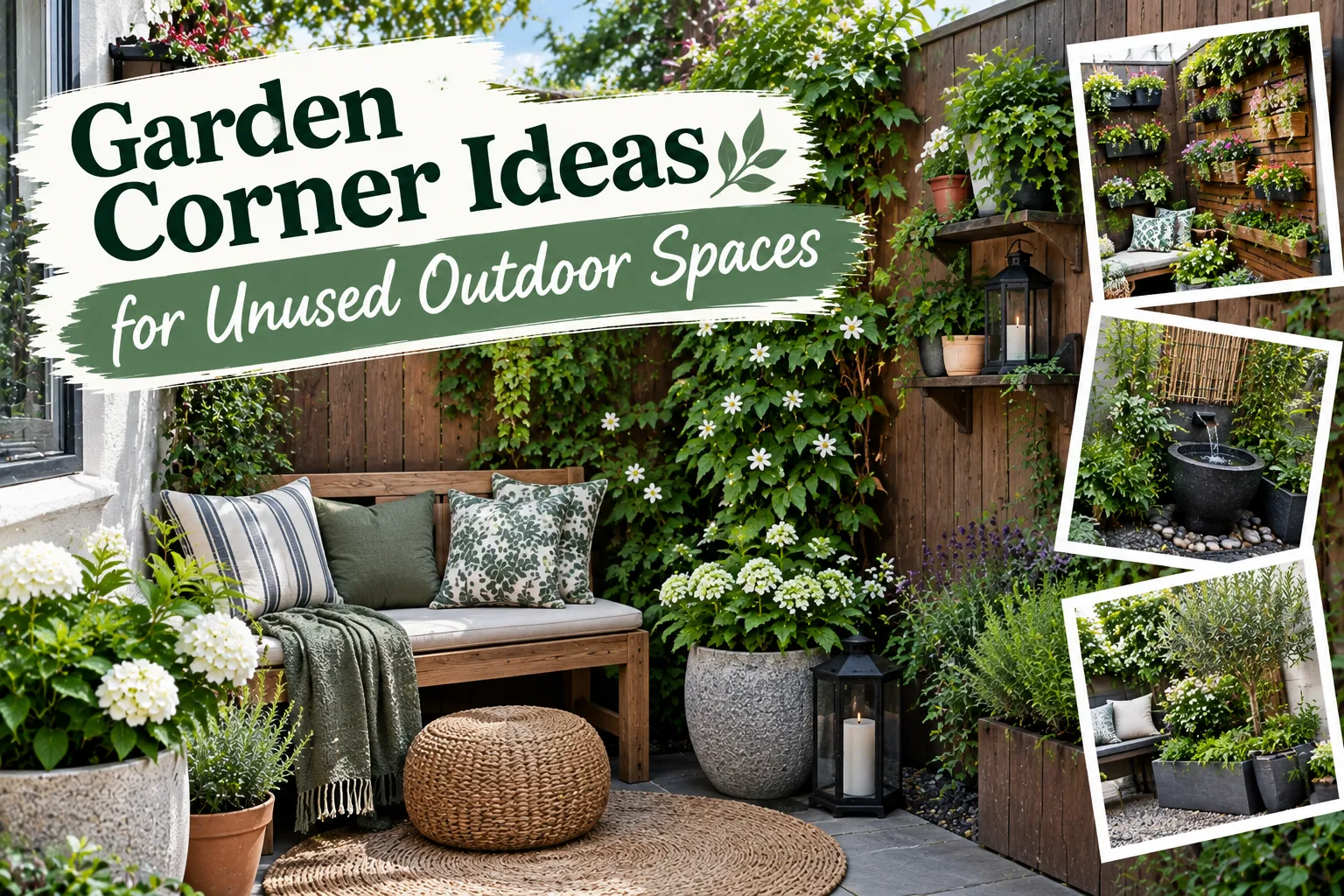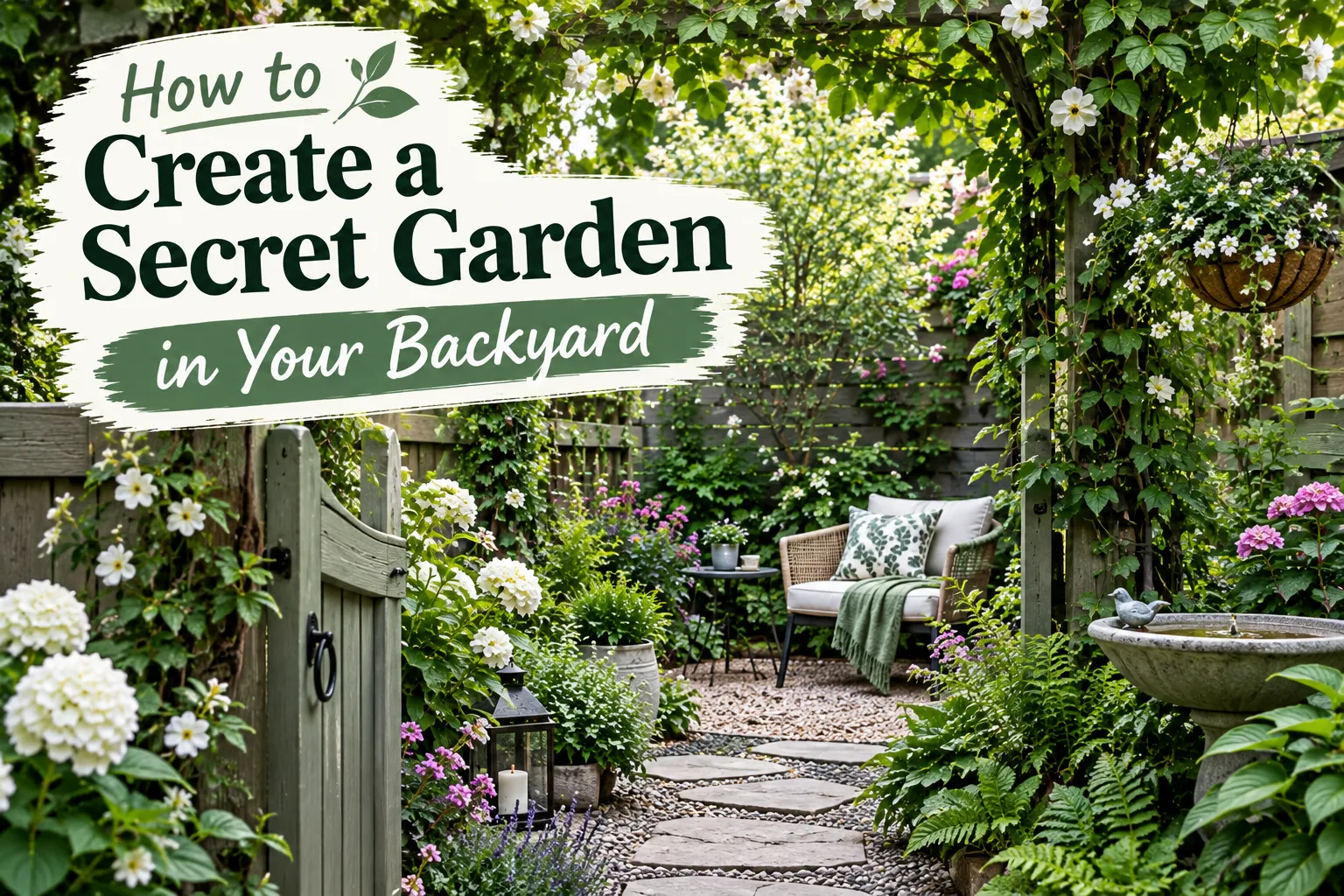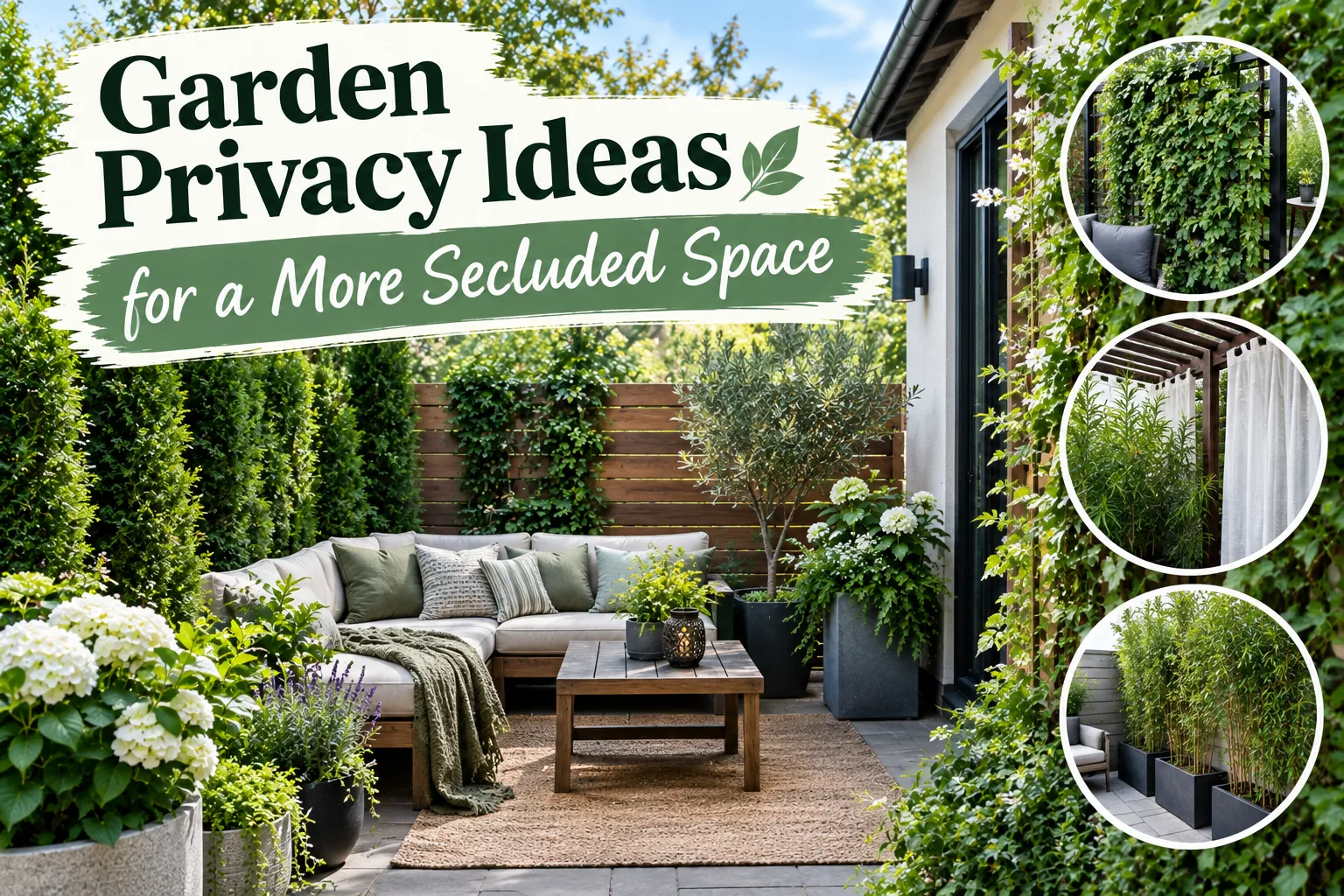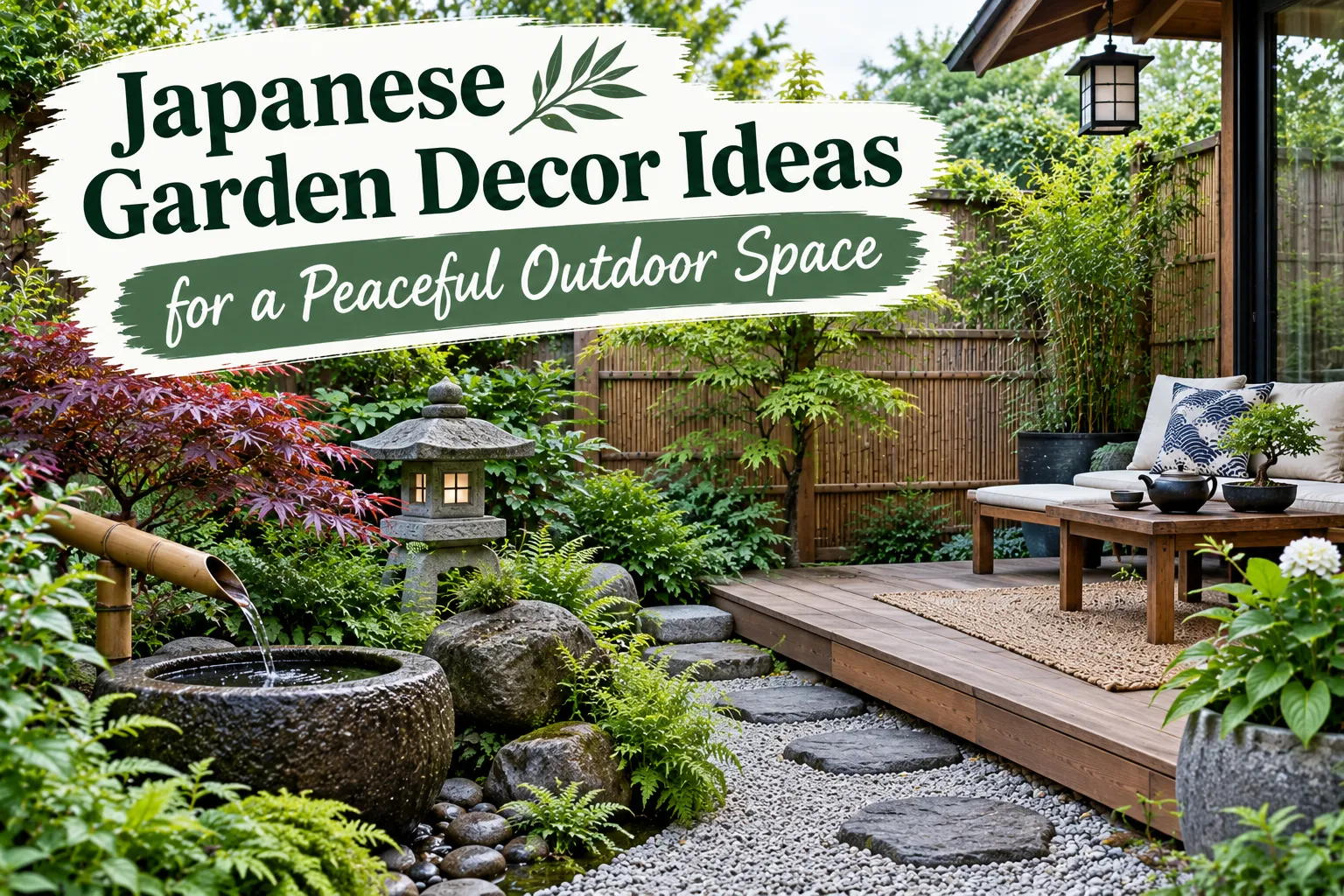
Modern exterior landscapes often suffer from visual clutter, over-planted borders, and an exhausting absence of focal anchors. When designing an exterior sanctuary, homeowners frequently struggle with establishing a seamless transition between interior architecture and raw nature. Integrating Japanese Garden Decor Ideas for a Peaceful Outdoor Space offers a definitive architectural antidote to these spatial friction points. By prioritizing subtraction over addition, landscape design shifts away from high-maintenance floral displays toward a curated composition of stone, evergreen structure, water, and negative space. Light behavior changes fundamentally within this layout, filtering through dense foliage to cast dynamic, shifting shadows across meticulously raked gravel beds and weathered granite surfaces. True serenity in an outdoor setting relies entirely on balancing tactile elements, where rough-hewn boulders contrast against polished river stones and soft moss spreads beneath towering pines. Spatial constraints disappear when sightlines are carefully manipulated, turning even the most compact urban courtyard or suburban side yard into an expansive, meditative retreat that demands sensory engagement while visually expanding the perimeter boundaries.
Architectural Foundations and Design Doctrines
Creating an authentic Japanese outdoor environment requires a rigorous adherence to classical design principles. Every placement must serve a structural or psychological purpose. The philosophy centers around natural asymmetry, restraint, and the celebration of time through aging materials. Spatial flow dictates how a visitor interacts with the landscape, transforming a casual stroll into a deliberate, mindful meditation.
Mastering Spatial Proportions and Scale
Proportion dictates the success of a minimalist landscape. In smaller yards, oversized boulders or dense plantings will overwhelm the sensory experience, while diminutive ornaments vanish entirely within the foliage. Designers must establish a primary focal point, often a majestic lantern or a weathered feature stone, and build secondary sightlines around this anchor. Negative space acts as a visual palette cleanser, allowing the eye to rest and appreciating the forms of individual plants or stone groupings.
Circulation paths demand careful consideration regarding width, material, and directional rhythm. Stepping stones, known as tobi-ishi, should be spaced at irregular yet comfortable intervals to naturally slow the walker’s pace. This physical deceleration directly influences mental state, encouraging mindfulness and observation of surrounding textures.
Tactile Pairings and Material Durability
Material selection governs the longevity and aesthetic evolution of the space. Surfaces must embrace the concept of wabi-sabi, welcoming weathering, moss growth, and natural patinas over time. Granite, basalt, untreated cedar, and cast iron rank among the primary materials that improve structurally and aesthetically through decades of environmental exposure.
Never seal natural stone or wood with glossy synthetic varnishes. A reflective surface destroys the muted, matte aesthetic essential to Japanese landscape design and prevents the natural absorption of morning dew and rainwater, which fosters authentic moss colonization.
| Material Category | Primary Application | Aesthetic Evolution | Maintenance Protocol |
|---|---|---|---|
| Granite and Basalt | Lanterns, basins, retaining borders | Develops deep lichen coverage and softer edges | Pressure wash annually on low settings to prevent overgrowth |
| Raked White Gravel | Dry stream beds, kare-sansui zones | Maintains crisp textural contrast against dark green elements | Rake bi-weekly with custom tines to preserve pattern integrity |
| Weathered Cedar | Fencing, shoji screens, bridges | Fades from warm amber to a dignified silver-gray | Apply penetrating non-glossy exterior oil every two years |
| Basin Water (Tsukubai) | Acoustic dampening, purification | Accumulates organic sediment, enhancing rustic character | Scrub interior basin monthly with natural bristle brushes |
Core Elements of Japanese Garden Decor
Bringing this architectural vision to life involves the precise installation of foundational decor categories. Each element carries symbolic weight and functional utility, working in unison to curate a peaceful environment.
Stone Arrangements and Compositional Weight
Stones represent the bones of the landscape, symbolizing mountains, islands, and eternal endurance. Placing stones requires a deep understanding of their grain, color undertones, and visual weight. Stones should be buried partially in the earth to give the convincing illusion that they have rested in that exact location for centuries.
- Select anchor stones with strong directional grain and rich mineral textures.
- Determine the primary viewing angle from the interior living spaces or primary seating areas.
- Embed the largest stone at a strategic distance to establish spatial depth.
- Arrange secondary and tertiary stones in odd-numbered groupings, adhering to asymmetrical scalene triangles.
- Infill the surrounding area with fine gravel or emerald moss to anchor the entire composition.
Water Features and Acoustic Dampening
Water introduces motion, reflectivity, and soothing auditory dimensions that mask urban noise pollution. Traditional setups utilize bamboo water spouts, known as shishi-odoshi, which periodically drop water onto a stone, creating a sharp, rhythmic clack that punctuates the quietude.
- Low-profile stone basins placed at ground level encourage visitors to crouch, fostering humility and physical engagement.
- Still-water ponds stocked with koi fish provide mesmerizing visual movement without disturbing the overall tranquil surface tension.
- Subterranean reservoir systems recycle water efficiently while maintaining a clean, minimalist aesthetic devoid of visible modern plumbing.
Lighting Layers for Evening Transitions
Illumination must be subtle, intentional, and strictly integrated to extend the usability of the garden into the evening without destroying the nocturnal atmosphere. Avoid bright floodlights or uniform path lighting, which flatten textures and create harsh glares.
- Ambient glow emanating from low-set stone lanterns (toro) placed near paths and water basins.
- Task lighting concealed behind structural evergreens to cast long, dramatic shadows against privacy walls.
- Accent illumination focused downward onto dry river beds or specific specimen trees to highlight architectural branching patterns.
Planning and Executing Your Sanctuary Layout
Transitioning from concept to construction requires a disciplined workflow. Skipping foundational steps often results in a disjointed yard that feels overly decorated rather than naturally evolved.
- Analyze existing sun paths, drainage patterns, and soil conditions across all four seasons.
- Draft a detailed scaled blueprint marking permanent architectural structures and prime indoor viewing windows.
- Clear existing debris, invasive species, and unnecessary hardscape elements to establish a blank canvas.
- Install primary infrastructure, including hidden drainage pipes, electrical lines for subtle lighting, and water feature reservoirs.
- Position heavy structural rocks and build foundational earth mounds to alter topography and create microclimates.
- Construct pathways, bridges, and perimeter fencing using natural timber and weathered stone.
- Plant structural evergreen trees, Japanese maples, and shade-tolerant ground covers such as mondo grass and ferns.
- Apply finish layers of gravel, moss plugs, and decorative elements like stone lanterns and bamboo spouts.
Frequently Asked Questions About Japanese Garden Decor Ideas for a Peaceful Outdoor Space
What are the essential elements needed for a small Japanese-style garden?
A successful small-scale layout relies on a balanced triad: a single structural focal point such as a stone lantern or basin, a carefully curated grouping of asymmetric boulders, and a low-maintenance ground cover like moss, mondo grass, or raked fine gravel. Vertical space can be optimized by planting a dwarf Japanese maple or a slender upright evergreen against a neutral boundary wall to establish depth without cluttering the floor plan.
How do I maintain white gravel or sand without constant weed growth?
Preventing weeds in dry gravel zones begins during the installation phase by laying down a heavy-duty, permeable woven geotextile fabric beneath the stone layer. For ongoing maintenance, apply a pre-emergent organic herbicide in early spring, remove wind-blown organic debris regularly with a leaf blower on low speed, and rake the gravel periodically to expose clean, unblemished aggregate layers.
Can traditional Japanese garden decor work in cold winter climates?
Traditional design elements adapt exceptionally well to harsh winters. Granite stone lanterns, basalt basins, and structural evergreens actually become more visually striking when blanketed in snow. When selecting plant materials, consult regional hardiness zones to choose cold-tolerant varieties of Japanese maples, pines, and ferns that maintain their architectural form through freezing temperatures.
What is the symbolic meaning of stone lanterns in landscape design?
Stone lanterns, or toro, originated as offerings at Buddhist temples before evolving into functional path markers for outdoor tea ceremonies. Symbolically, they represent the illumination of wisdom dispelling the darkness of ignorance. In modern outdoor spaces, they serve as grounding vertical anchors that draw the eye upward and provide a warm, organic glow during evening hours.
How do I choose the right plants to complement Japanese hardscaping?
Plant selection should prioritize year-round foliage structure over flashy, seasonal flower displays. Focus on evergreens like pines and boxwoods for permanent structural backbone, deciduous trees like weeping Japanese maples for seasonal color transitions, and low-growing shade lovers like ferns, hostas, and mosses to soften the hard edges of rocks and pathways.