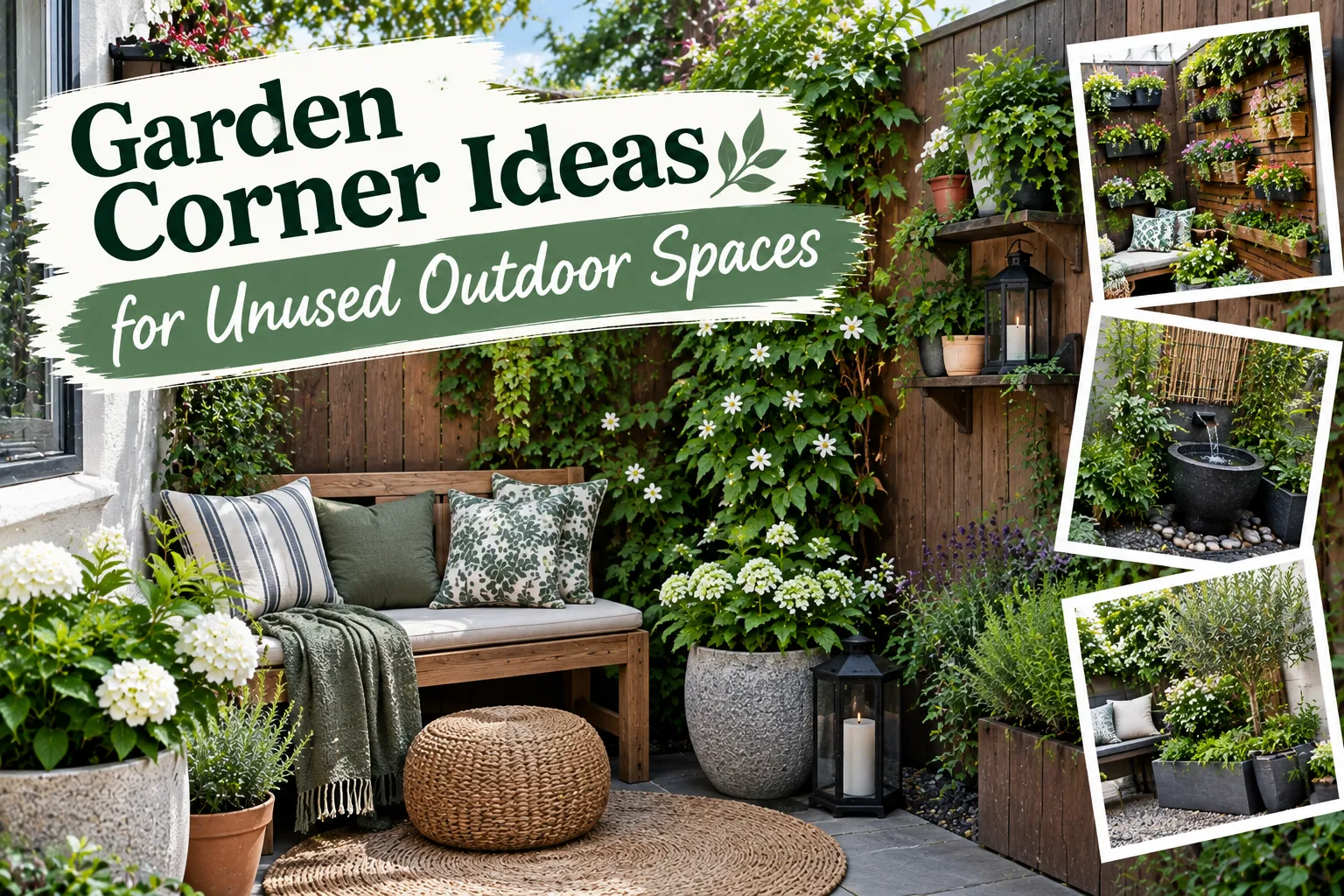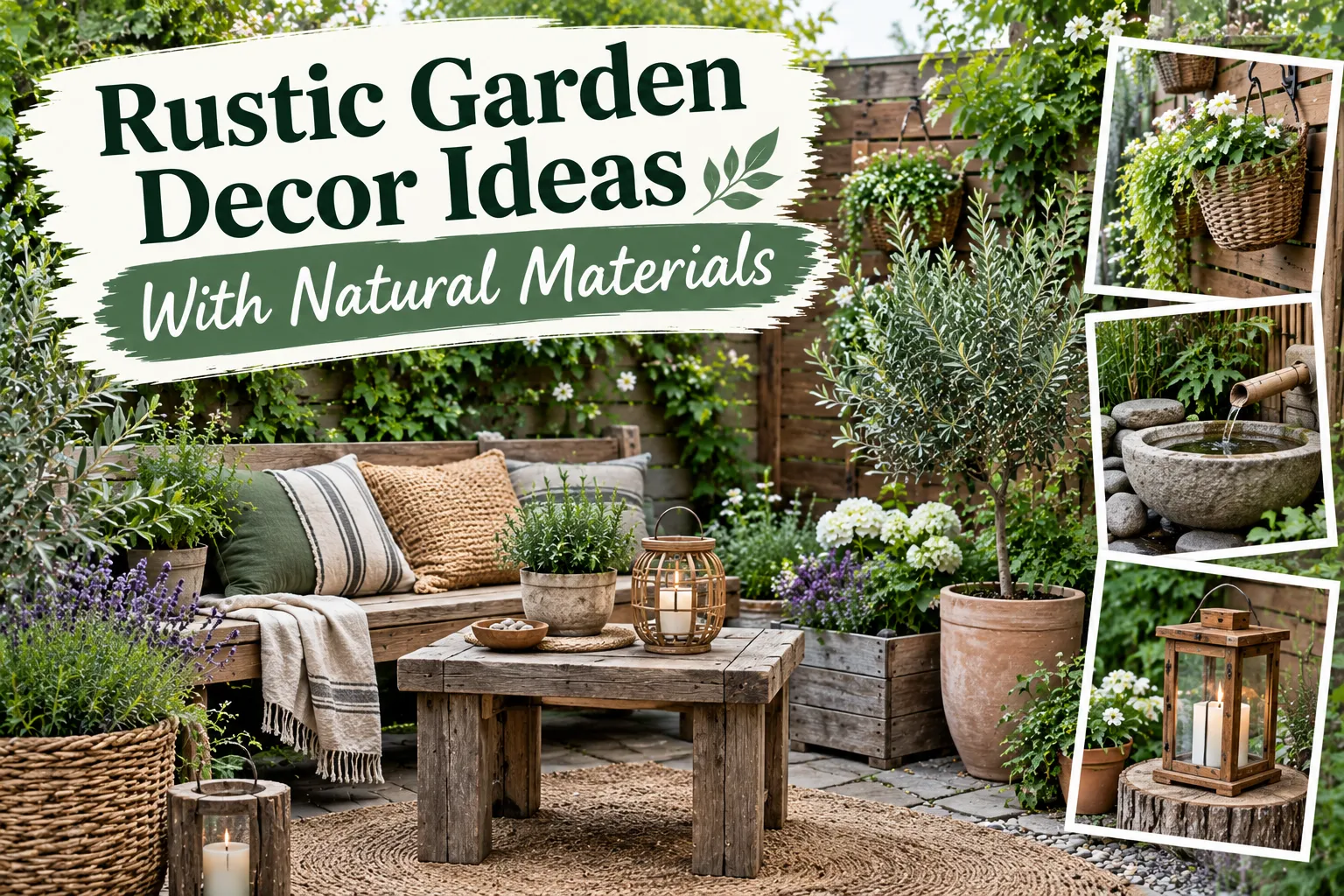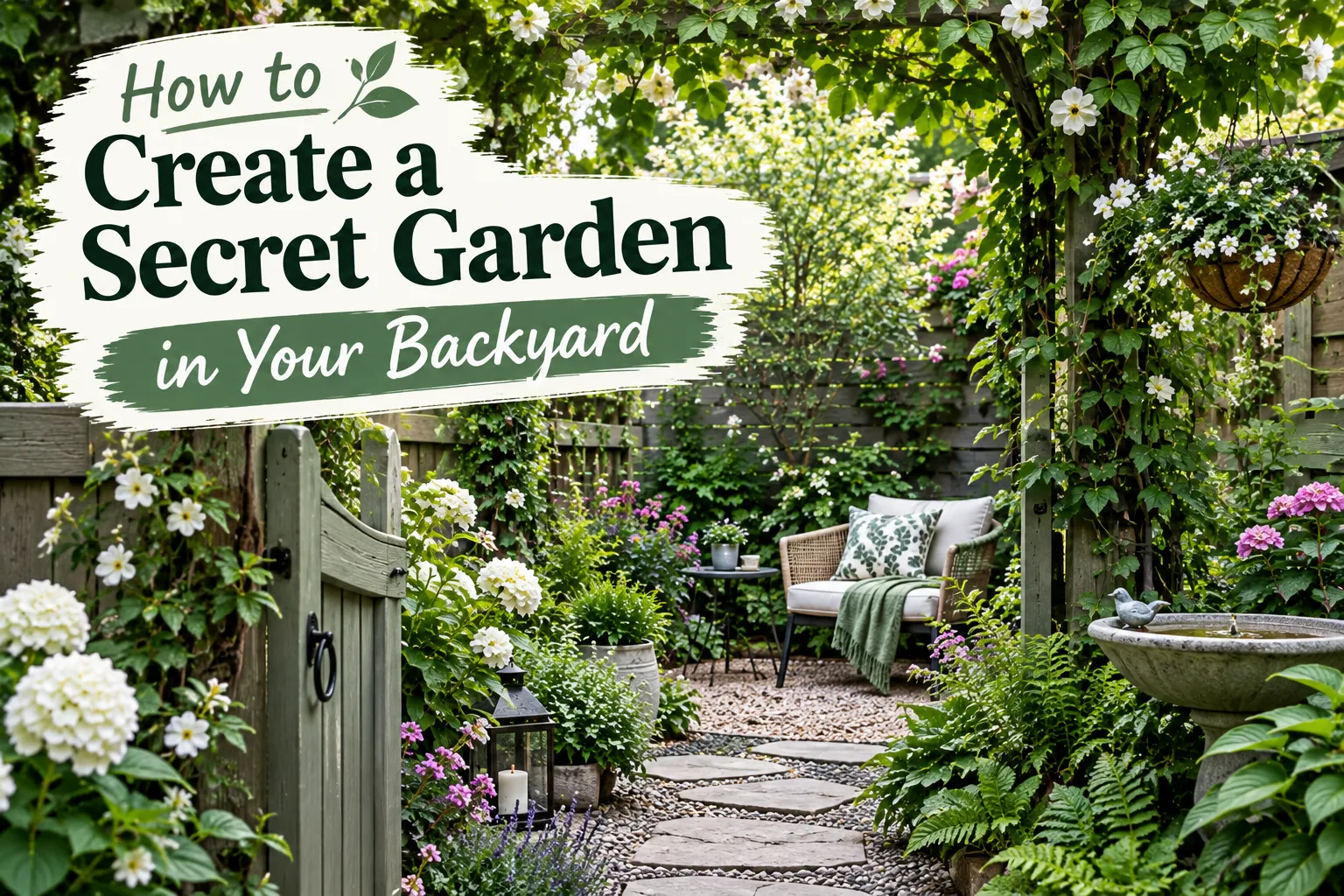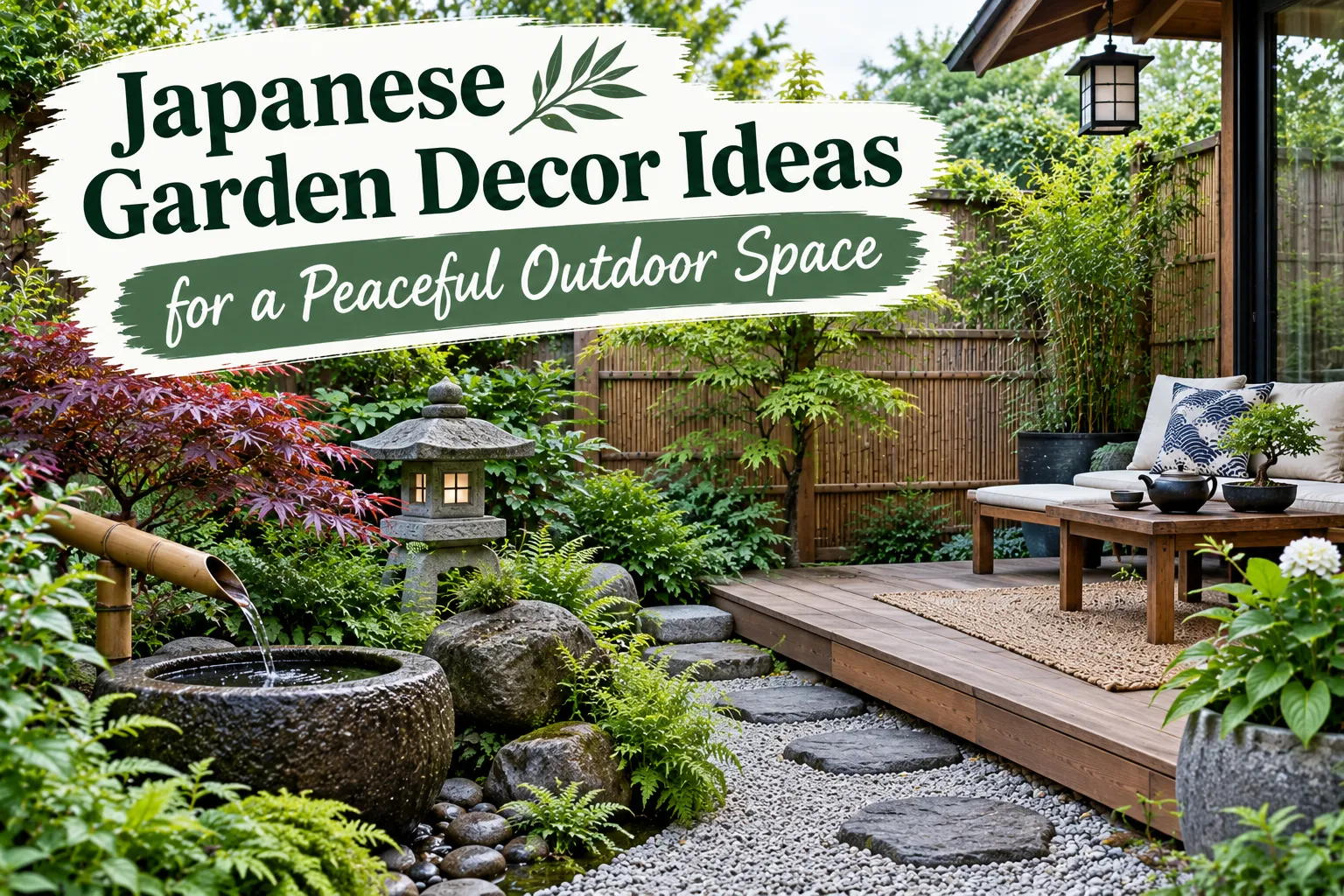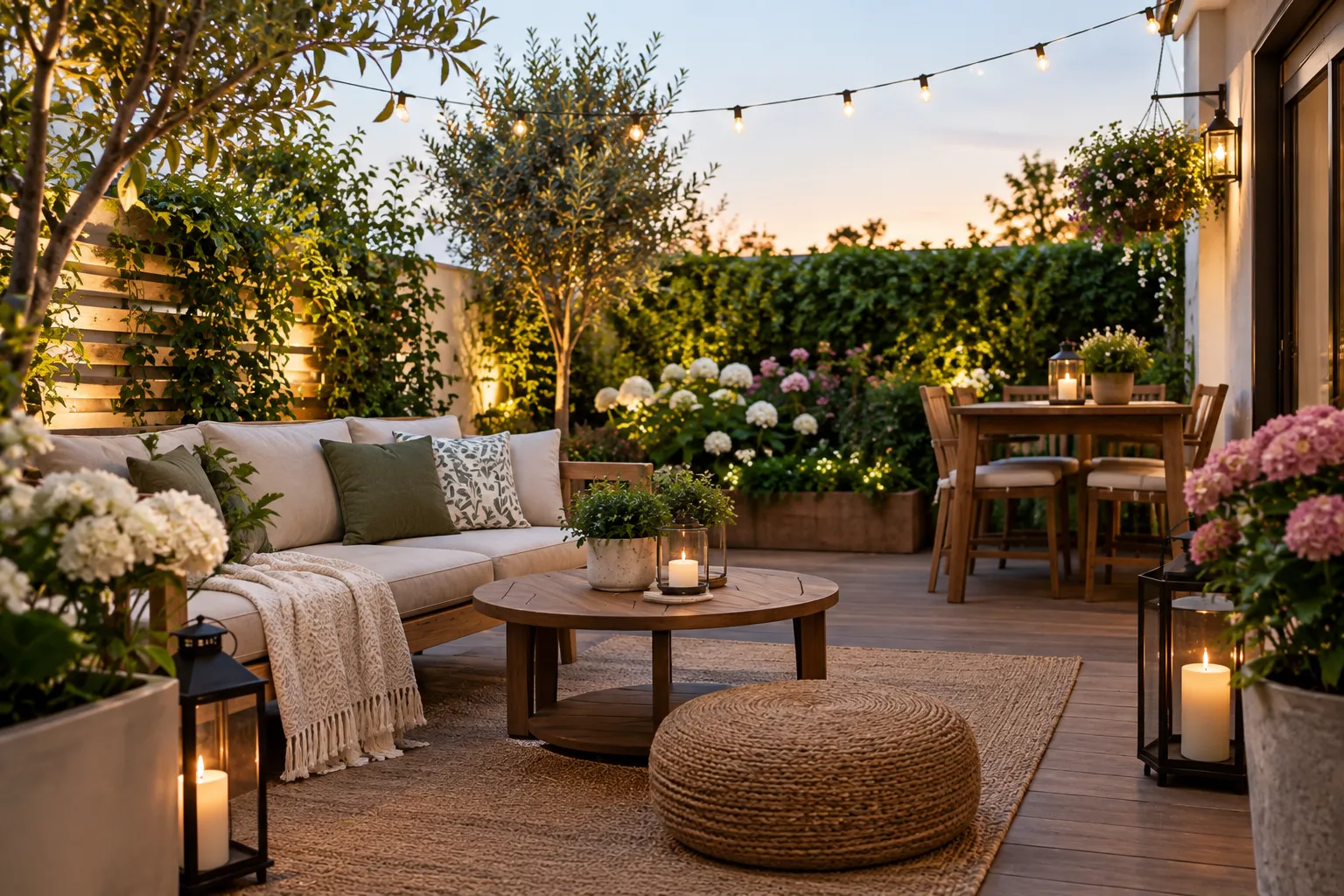
Transforming an exterior environment requires a deliberate departure from treating the garden as a mere perimeter to the home, viewing it instead as an open-air room governed by the same rigorous principles of spatial flow, material honesty, and lighting choreography that define interior architecture. Homeowners frequently struggle with exterior zones that feel disjointed, overly exposed, or visually flat because they rely on isolated decorative items rather than a cohesive design framework. Incorporating 15 garden decor ideas to transform your outdoor space allows you to bridge interior comfort with natural elements, utilizing sightlines, negative space, and tactile contrasts to curate an engaging environment. By understanding how natural light alters color undertones throughout the day, how scale dictates emotional comfort, and how materials weather over time, you can construct an exterior landscape that responds dynamically to both function and aesthetics. True landscape sophistication emerges when every hardscape element, planting bed, and lighting fixture serves a dual purpose: solving a spatial constraint while contributing to a unified visual narrative. Whether you are managing a compact urban courtyard or a sprawling suburban perimeter, establishing a clear hierarchy of focal points ensures your exterior feels intentional, balanced, and deeply integrated with your personal lifestyle.
Establishing Spatial Hierarchy and Circulation Paths
Successful outdoor design begins with a rigorous evaluation of how human traffic moves through the landscape and how different zones relate to one another spatially. Without defined circulation paths, gardens quickly lose their structural integrity, resulting in trampled plantings and an unstructured layout that overwhelms the eye. Establishing clear thresholds between the active living areas, quiet contemplative zones, and service pathways is essential for creating a comfortable human scale. When mapping these zones, consider the psychological impact of compression and release, moving people from narrow, intimate pathways out into expansive seating areas or sheltered nooks.
Designing Intentional Walkways
Walkways act as the skeletal structure of your garden, guiding the eye and the foot through a carefully curated sequence of visual experiences. Materials selected for these pathways must balance slip resistance with visual weight, ensuring they complement the architectural style of the primary residence. Stepping stones embedded in low-growing ground cover create a softer, more organic transition, whereas tightly laid bluestone or modular pavers deliver a crisp, formal geometry.
Managing Sightlines and Focal Anchors
Every viewpoint from your interior windows or patio seating should terminate in a deliberate focal anchor, such as a sculptural specimen tree, a minimalist water feature, or an architectural wall panel. Managing sightlines prevents the exterior from looking cluttered by concealing utilitarian equipment behind slatted screens while highlighting architectural plantings. Use vertical elements strategically to draw the eye upward, mitigating the boxy feeling of perimeter fences and boundary walls.
Material Selection and Tactile Pairing
The durability and visual appeal of exterior decor rely entirely on the interaction of raw materials, weathering characteristics, and tactile contrasts. Introducing a mix of textures—such as rough-hewn stone, smooth architectural concrete, oxidized weathering steel, and warm hardwoods—adds profound depth to an outdoor space without requiring an overwhelming palette of colors. Material choices must reflect the local climate, ensuring resistance to freeze-thaw cycles, intense UV exposure, and heavy moisture.
To assist in selecting appropriate finishes for your landscape architecture, reference the structural specifications below detailing durability ratings, maintenance requirements, and ideal spatial applications.
| Material Type | Durability Rating | Maintenance Level | Primary Aesthetic Application |
|---|---|---|---|
| Corten Steel | Exceptionally High | Low (Stable Patina) | Planter boxes, retaining walls, privacy screens |
| Teak Hardwood | High | Medium (Annual Sealing Optional) | Outdoor seating, decking, overhead pergolas |
| Poured Concrete | High | Low | Minimalist fire pit bases, large pavers, counters |
| Natural Bluestone | High | Low | Patio flooring, stepping stones, coping |
Warning: Never mix more than three dominant hardscape materials within a single sightline. Over-complicating material palettes creates visual noise and destroys the serene, integrated aesthetic necessary for a sophisticated garden environment.
Core Design Interventions for Exterior Transformation
Implementing targeted decor concepts elevates a standard yard into an extraordinary spatial experience. Here are foundational steps to systematically overhaul your exterior zones:
- Analyze existing sun paths and shadow casting across different seasons to determine optimal locations for lounging and shade structures.
- Audit existing boundaries and install vertical screening elements, such as slatted wood panels or living green walls, to enhance privacy and frame views.
- Establish a cohesive color palette for hardscapes, plant foliage, and textiles that echoes the interior color story of the home.
- Introduce multi-layered lighting fixtures to highlight architectural textures, illuminate pathways, and create soft ambient glows at night.
- Select oversized planters and sculptural vessels to act as permanent focal anchors that maintain structural interest even during winter dormancy.
Advanced Styling Concepts and Botanical Integration
Integrating plant life with structural decor requires treating foliage as living architecture rather than mere decoration. The interplay between plant habits, such as upright columnar evergreens versus weeping grasses, introduces essential contrast against rigid man-made structures. Furthermore, incorporating outdoor textiles, water features, and fire elements completes the sensory experience, engaging sound, touch, and sight.
- Modular planter arrangements that allow for seasonal rotation of annuals while housing permanent structural shrubs.
- Reflective water basins that capture ambient light and mirror overhead sky elements to expand the perceived scale of small courtyards.
- Monolithic fire tables fueled by natural gas that serve as both functional heat sources and modern sculptural coffee tables.
- Acoustic water walls that utilize the sound of cascading water to mask urban traffic noise and foster tranquility.
- Weather-resistant outdoor rugs featuring graphic, neutral patterns that ground furniture groupings and define open-air rooms.
- Freestanding architectural pergolas outfitted with adjustable louvers to control solar gain and support flowering vines.
- Wall-mounted mirrors treated for exterior use to visually double the depth of narrow side yards.
- Minimalist bird baths crafted from cast stone or metal that attract local wildlife while doubling as kinetic art pieces.
- Low-voltage uplighting concealed within planting beds to graze textured stone walls and tree trunks after dark.
- Modular outdoor seating with deep, neutral upholstery that mirrors high-end interior living room standards.
- Large-scale metal wall art designed to develop a rust patina over time, adding warmth to plain boundary fences.
- Gravel garden beds featuring drought-tolerant Mediterranean specimens that minimize irrigation needs while maximizing texture.
- Hanging glass terrariums or candle lanterns suspended from mature tree branches to create magical evening illumination.
- Custom built-in storage benches that conceal garden tools while offering ample casual seating for guests.
- Oversized ceramic amphorae positioned at path intersections to create classic Mediterranean focal points.
Illumination Choreography and Nighttime Architecture
A successful garden must function just as effectively after sunset as it does during daylight hours. Relying on a single floodlight destroys the subtle mood of an outdoor space, flattening textures and creating harsh glares. Instead, adopt a layered lighting strategy that divides illumination into three distinct categories: ambient, task, and accent lighting. Ambient lighting provides soft general illumination along pathways and gathering zones for safety and comfort. Task lighting focuses on functional zones such as outdoor kitchens and prep stations. Accent lighting targets specific botanical specimens, sculptural elements, and architectural walls, casting dramatic shadows that add mystery and depth to the nighttime landscape. Utilizing warm color temperatures between 2700K and 3000K ensures the garden maintains a natural, inviting glow rather than an antiseptic, commercial appearance.
Frequently Asked Questions About 15 Garden Decor Ideas to Transform Your Outdoor Space
How do I choose the right scale for outdoor furniture and decor items?
Selecting the correct scale requires balancing the physical dimensions of your outdoor footprint with the surrounding landscape. Homeowners frequently make the mistake of using undersized furniture in large yards, which makes the space feel fragmented and cheap. Measure your usable area, maintain at least three feet of clear circulation space around all primary pathways, and opt for fewer, larger statement pieces rather than a multitude of small decorative objects that create visual clutter.
What are the best materials for low-maintenance garden structures?
Materials that require minimal maintenance while offering high durability include powder-coated aluminum, weathering steel like Corten, composite decking, and cast architectural concrete. These substances resist rot, corrosion, and extreme temperature fluctuations without needing constant staining, sealing, or specialized chemical treatments, allowing you to enjoy your outdoor space rather than constantly repairing it.
How can I make a small garden or courtyard feel larger?
You can visually expand a compact exterior by employing optical illusions and architectural layering. Install large-format pavers to reduce visual grout lines, hang exterior-grade mirrors on boundary walls to reflect greenery and sky, and use a restrained monochromatic color palette that prevents the eye from getting overwhelmed. Additionally, keeping sightlines open toward the corners of the space tricks the brain into perceiving a much larger boundary.
What lighting techniques work best for highlighting garden textures?
Uplighting and grazing are the most effective techniques for emphasizing texture in a landscape. Placing low-voltage LED spotlights at the base of trees with interesting bark or textured stone walls casts upward shadows that accentuate every ridge and fissure. Cross-lighting from multiple angles further softens harsh shadows, creating a balanced, three-dimensional nighttime environment with immense visual depth.
How do I integrate heating and fire elements into a modern landscape design?
Integrating fire elements involves treating them as permanent architectural focal points rather than portable seasonal accessories. Built-in gas fire tables constructed from poured concrete, natural stone, or metal match the primary hardscape materials of your patio, creating a seamless connection. Position these elements centrally within seating groups to maximize both thermal comfort and social interaction during cooler months.