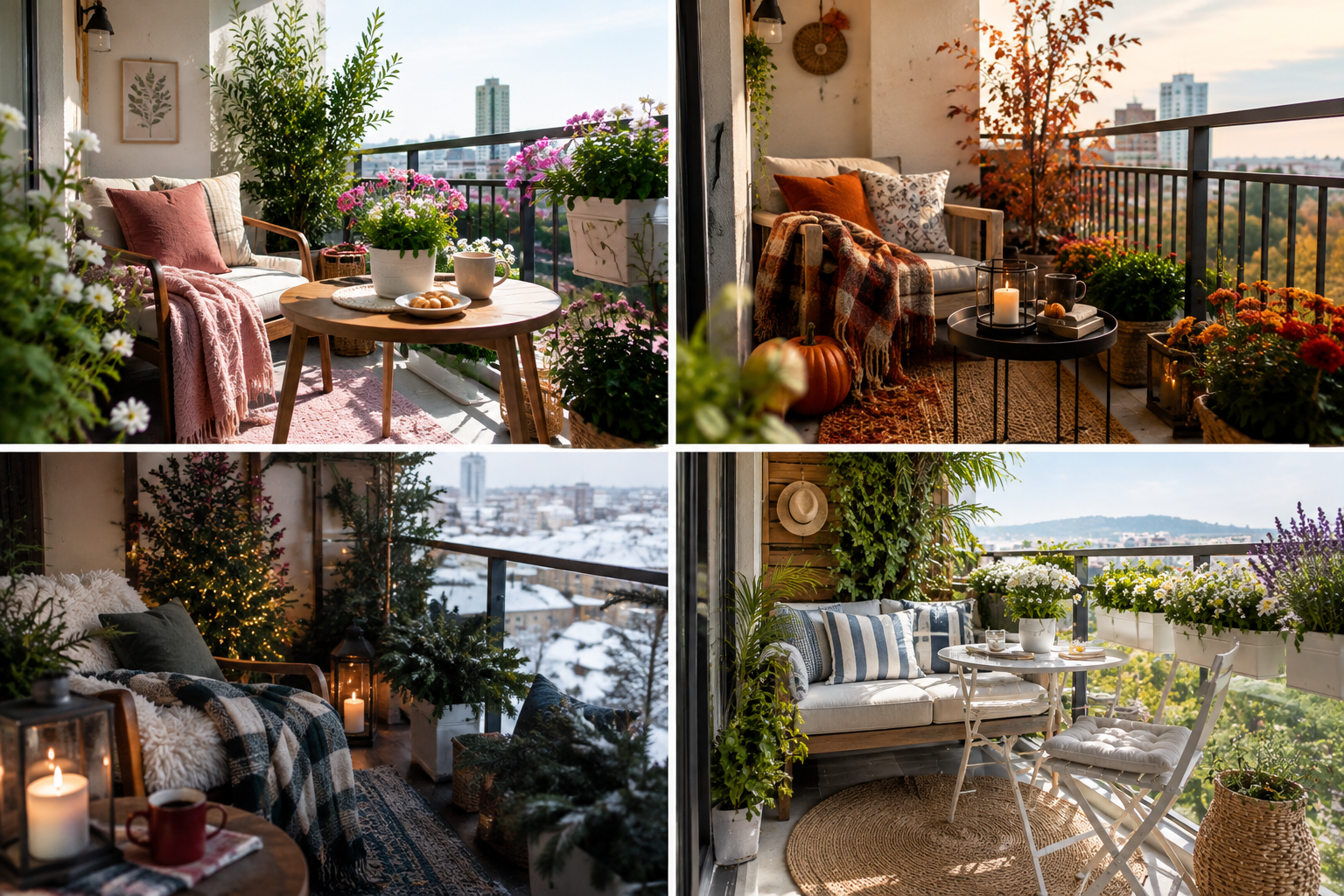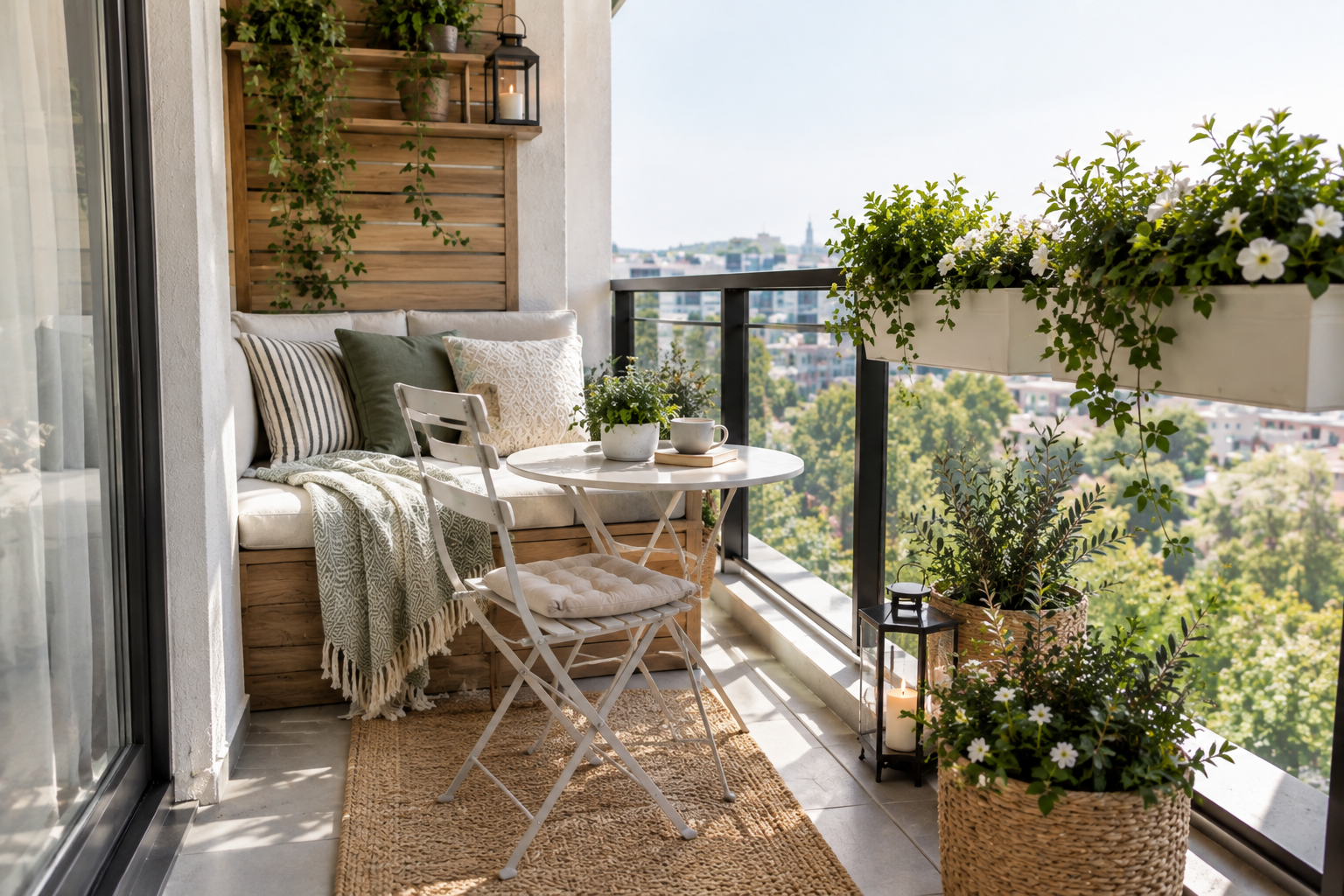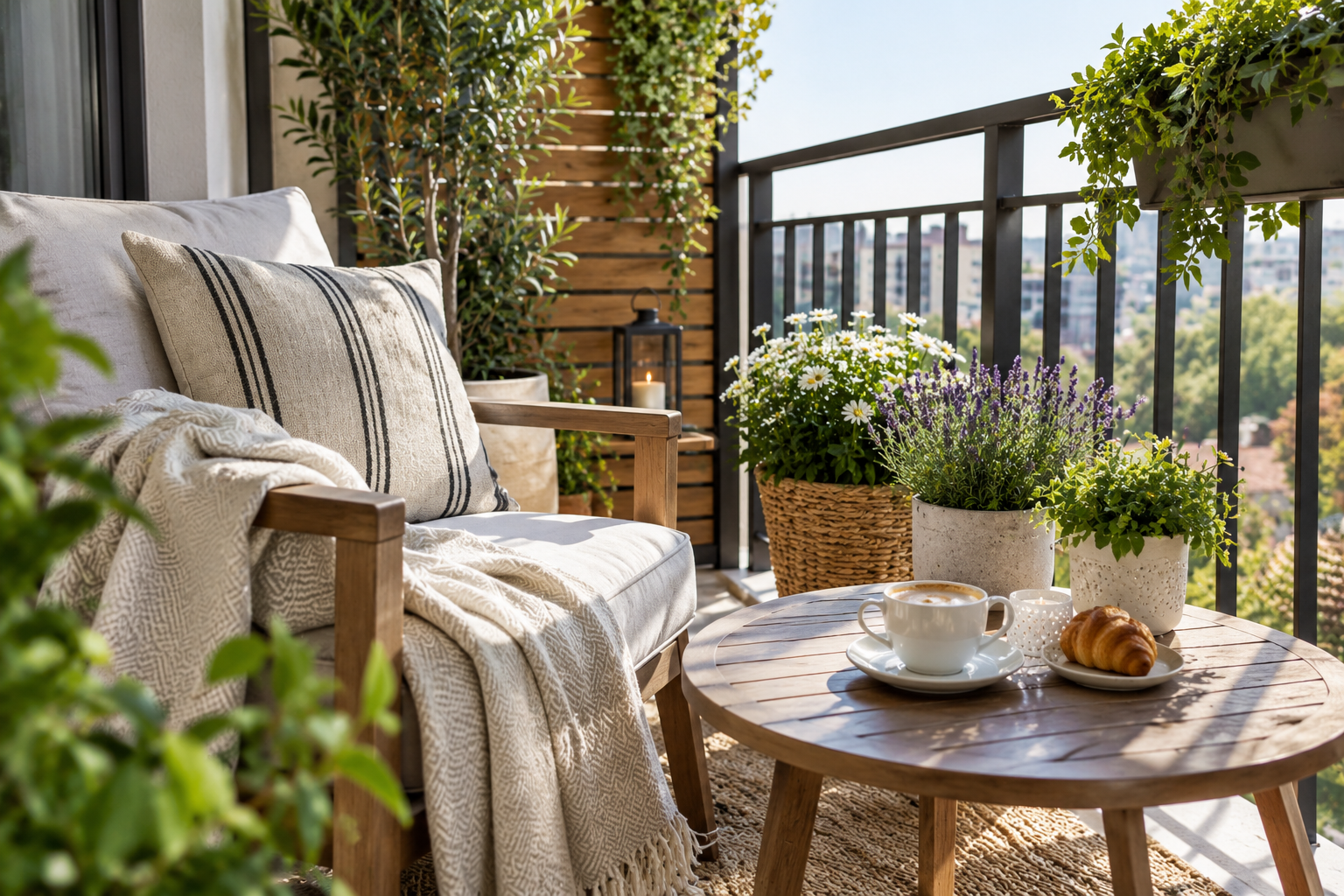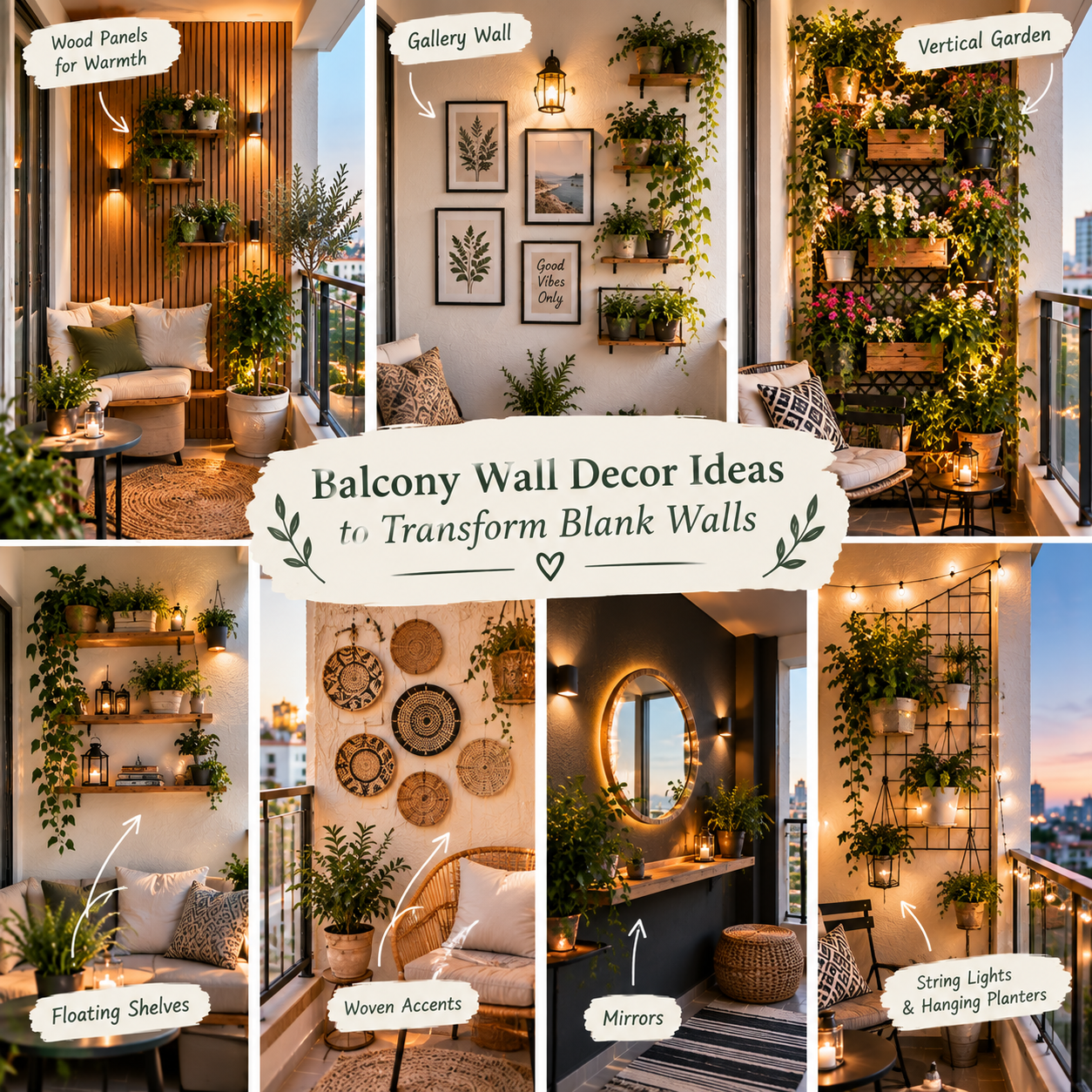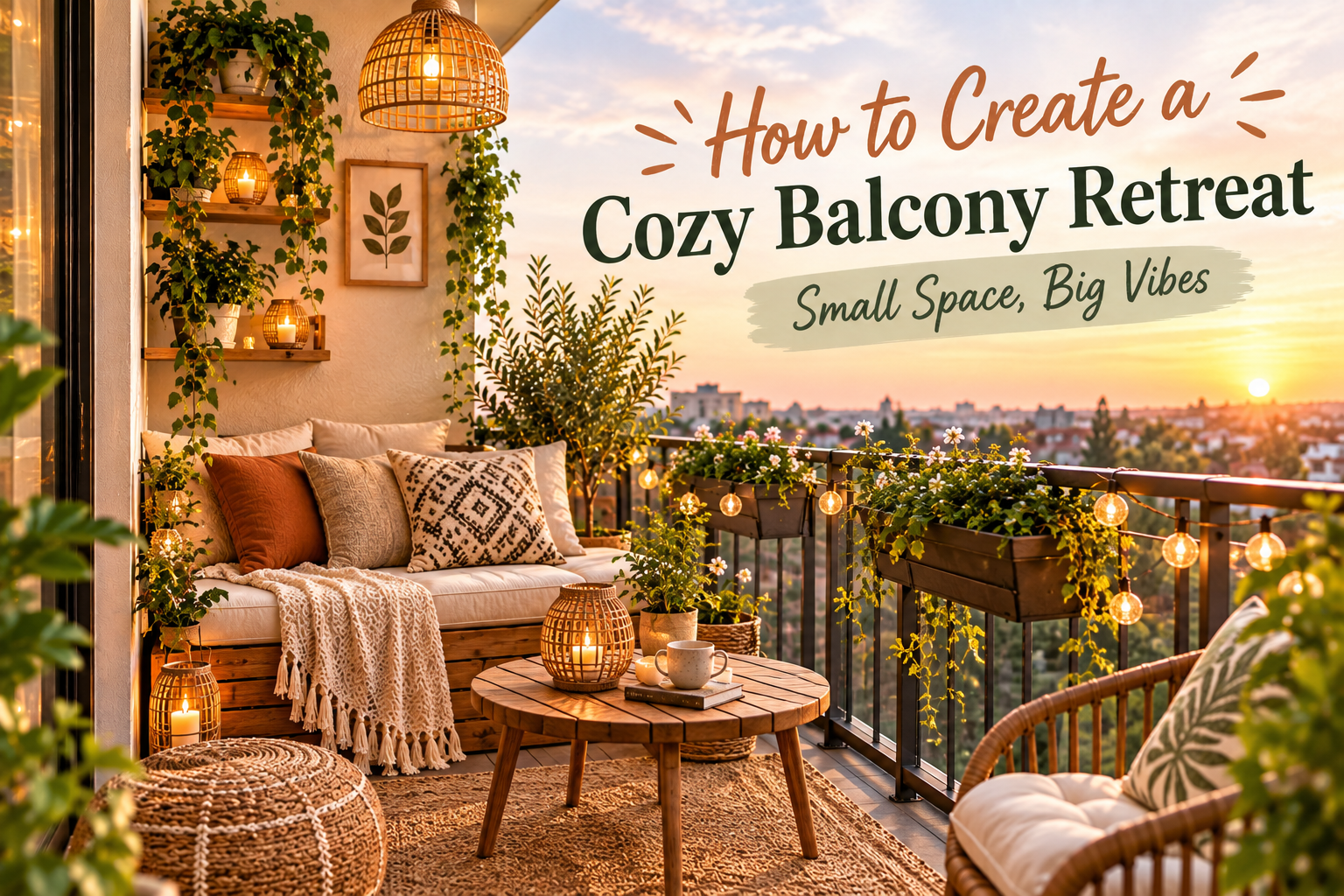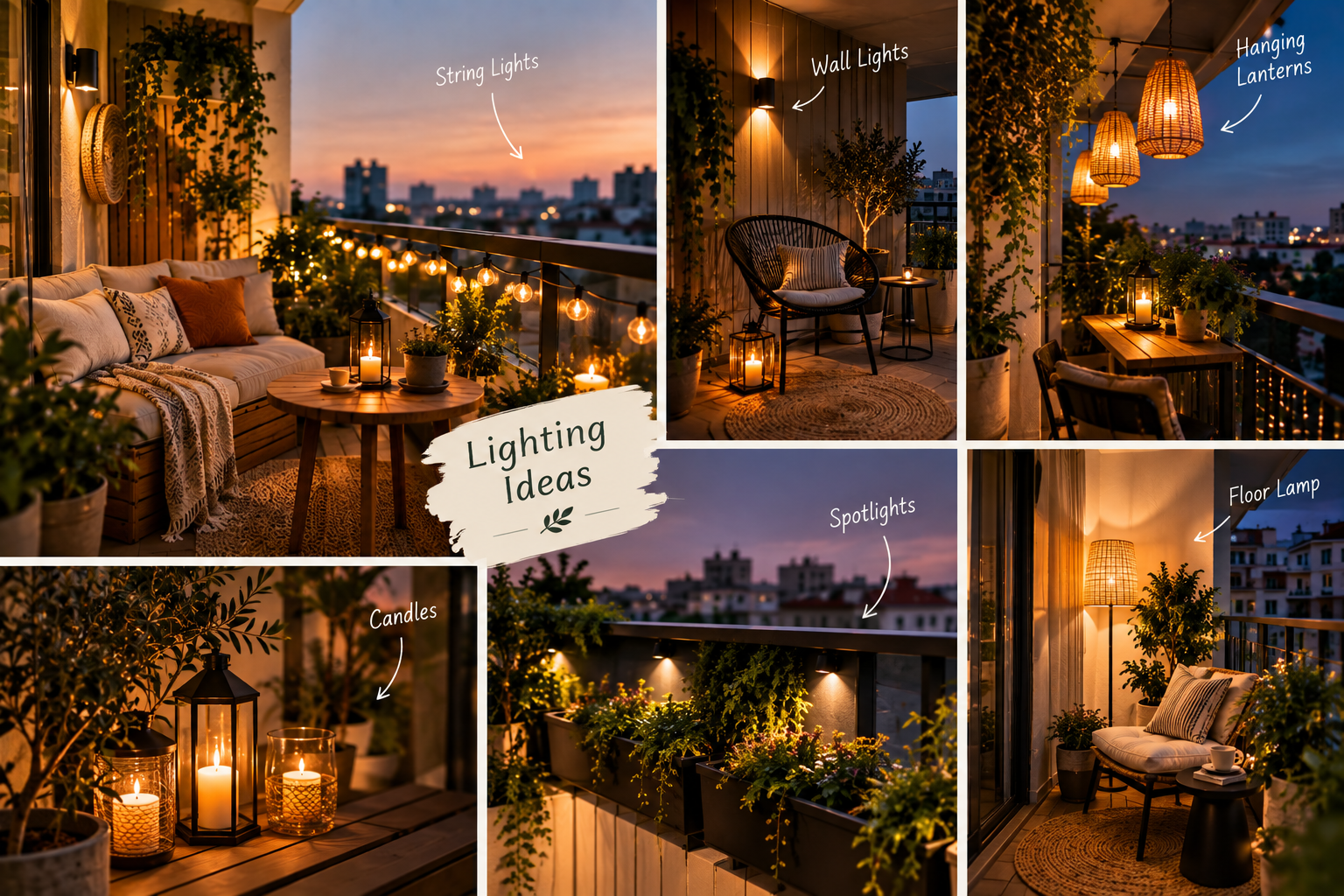
Urban outdoor rooms present unique architectural friction points, particularly when constrained by tight floor plates, structural concrete overheads, and the absence of traditional grounding points. Designing a cohesive scheme requires balancing negative space, hard surfaces, and exterior elements to soften the raw perimeter. When implementing balcony lighting ideas for a warm evening atmosphere, the core objective is to suppress harsh glare and establish a layered illumination strategy that respects human scale. Light behavior shifts dramatically outdoors due to the lack of interior reflective boundaries, meaning photons scatter into the dark night sky unless deliberately guided by tactile surfaces, foliage, and architectural planes. Balancing texture through matte metals, weathered wood, and woven textiles ensures that artificial illumination interacts with the surroundings rather than bouncing off sterile concrete. Addressing spatial constraints involves floating fixtures off the floor, utilizing vertical sightlines, and concealing light sources behind structural elements to curate an intimate, glowing sanctuary that feels entirely integrated with the interior living space.
The Three-Tiered Illumination Framework for Compact Footprints
Successful outdoor lighting relies on a triad of ambient, task, and accent layers. Treating the balcony as an exterior room demands the same rigor applied to interior architectural design, adjusting for weather resistance and variable viewing angles.
Ambient Illumination for Base Layer Cohesion
Ambient light establishes the baseline visibility and mood of the space. Instead of relying on a harsh single overhead bulkhead fixture, which flattens textures and creates unflattering shadows, opt for diffuse sources that wash light down vertical boundaries. Installing perimeter linear LED strips beneath the handrail or along the bottom edge of built-in planters casts a gentle glow downward, illuminating the flooring material and expanding perceived spatial boundaries. Color temperature is critical here. Selecting ultra-warm diodes operating between 2200K and 2700K mimics the soft radiance of candlelight, banishing the clinical blue tones associated with standard exterior security lighting.
Task Illumination for Functional Zones
Balconies frequently serve dual purposes, functioning as reading nooks, micro-dining spots, or container gardening stations. Task lighting must be direct yet glare-free. For dining configurations, consider portable, rechargeable LED table lamps featuring frosted diffusers and dimming controls. These fixtures sit low within the eye line, casting pools of light strictly onto the tabletop surface without blinding adjacent neighbors or creating light pollution. When positioning task fixtures, evaluate the circulation path to ensure cords never impede foot traffic or compromise safety during evening movement.
Accent Illumination and Focal Anchors
Accent lighting introduces dramatic contrast, drawing the eye toward specific architectural features, structural columns, or specimen plants. Uplighting a structural olive tree or ornamental grass in a corner planter introduces long, dancing shadows across the party wall, adding organic movement to an otherwise static masonry backdrop. Pinspot fixtures mounted securely overhead can highlight table settings or sculptural accessories, injecting depth and visual weight into the composition.
Materiality, Hardware Specifications, and Durability
Exterior environments expose fixtures to extreme thermal fluctuations, moisture, salt air, and UV degradation. Selecting appropriate IP ratings and materials prevents premature hardware failure and maintains aesthetic integrity over time.
| Fixture Type | Minimum Ingress Protection (IP) Rating | Recommended Materials | Ideal Kelvin Range |
|---|---|---|---|
| Sconces and Wall Mounts | IP44 to IP65 | Solid Brass, Powder-Coated Aluminum, Marine-Grade Stainless Steel | 2200K – 2400K |
| Floor and Landscape Uplights | IP65 to IP67 | Anodized Aluminum, Tempered Glass | 2400K – 2700K |
| String Lights and Pendant Cords | IP65 | Rubberized Weatherproof Cabling, Silicone Sockets | 2000K – 2200K |
| Portable Table Lamps | IP54 | UV-Resistant Polycarbonate, Treated Teak, Ceramic | 2700K (Warm Dim) |
Choosing materials that develop a rich, honest patina elevates the overall design vocabulary. Solid brass and copper fixtures age gracefully under exposure to the elements, harmonizing with natural stone pavers and weathered timber decking. Avoid cheap plastics that chalk and crack under prolonged sun exposure.
Step-by-Step Workflow for Designing a Nocturnal Balcony
Executing a lighting layout requires a systematic approach, moving from structural analysis to final fine-tuning of output levels.
- Map out all existing electrical access points, GFCI outlet locations, and structural overhangs that can support hooks or mounting hardware without violating lease or building codes.
- Determine primary furniture arrangements and traffic pathways to identify zones requiring task illumination versus areas better suited for soft ambient glows.
- Select a cohesive hardware finish that complements existing door frames, railing balusters, and outdoor furniture frames, ensuring visual continuity.
- Layer the fixtures by installing low-voltage permanent wiring or securing high-capacity rechargeable units, prioritizing hidden light sources over exposed bulbs.
- Test the illumination scheme at dusk, adjusting dimmers and repositioning adjustable heads to eliminate harsh hot spots and achieve a balanced, comfortable visual environment.
Never rely on a single, high-output overhead light source for an intimate balcony. Multiple low-lumen points of illumination reduce stark contrast against the dark night sky, protecting night vision and crafting a more expensive, layered architectural experience.
Stylistic Doctrines and Aesthetic Layering
Integrating lighting with the broader decor strategy transforms a stark concrete slab into an extension of the interior living space. The interplay between hard architectural elements and soft botanical textures relies heavily on how light is directed through space.
- Negative Space Utilization: Leave portions of the balcony cast in shadow to create depth, mystery, and a distinct separation between functional zones and the urban void beyond.
- Acoustic Softening: Combine illumination with soft textiles, outdoor rugs, and dense plantings to absorb sound and diffuse light reflections, mitigating the harsh echoes typical of high-rise concrete structures.
- Hidden Source Integration: Conceal lamp bodies behind planters, underneath built-in benches, or within climbing vine structures so that observers perceive only the glow rather than the hardware.
- Color Temperature Consistency: Ensure all mixed fixture types share identical Kelvin outputs to prevent jarring color clashes between amber string lights and stark white task lamps.
Frequently Asked Questions About Balcony Lighting Ideas for a Warm Evening Atmosphere
How can I illuminate a rental balcony without drilling into walls or running permanent wiring?
Renters can achieve a sophisticated lighting scheme by leveraging portable, USB-rechargeable table lamps, battery-operated LED pillar candles housed in glass hurricanes, and magnetic or clamp-on fixtures secured directly to metal railings. Solar-powered stakes planted deeply into container gardening soil provide zero-maintenance ambient glows without requiring a single extension cord, while heavy-duty adhesive clips safely route outdoor-rated string lights along overhead structural beams.
What color temperature is best for creating a cozy, relaxing outdoor atmosphere?
The optimal color temperature ranges between 2200K and 2700K. Temperatures sitting around 2200K replicate the deep, golden hue of traditional incandescent Edison bulbs and candlelight, which triggers relaxation responses and flatters skin tones. Avoid anything above 3000K for evening lounging, as higher Kelvin ratings emit cold, energetic blue light that shatters the intimate, calm mood required for evening unwinding.
How do I protect outdoor lighting fixtures from heavy rain and winter weather?
Protection begins with verifying that every single fixture carries a minimum ingress protection rating of IP44 for covered areas or IP65 for completely exposed, open-air balconies. During severe winter storms or extended periods of non-use, detach portable lamps, solar units, and delicate fabric-shaded fixtures, storing them securely indoors. Check rubber seals, gaskets, and cable entry points annually to ensure waterproofing integrity remains uncompromised.
Can string lights provide enough light for reading or dining on a balcony?
Standard decorative string lights emit low lumens primarily intended for festive ambiance rather than functional task work. While they contribute beautifully to the overall ambient layer, relying on them exclusively for dining or reading creates eye strain. Pair string lights with a dedicated, adjustable task source, such as a rechargeable cordless table lamp positioned directly beside the seating area, to meet practical illumination requirements.
How do I hide unsightly cords and power banks on a small balcony?
Concealing cords requires careful integration with structural elements and greenery. Route slim black or clear cabling along the interior corners of metal railings using matching zip ties or adhesive clips. Position weatherproof power banks and battery packs behind large ceramic planters, beneath slatted wood floor tiles, or inside decorative outdoor storage boxes that double as seating benches.