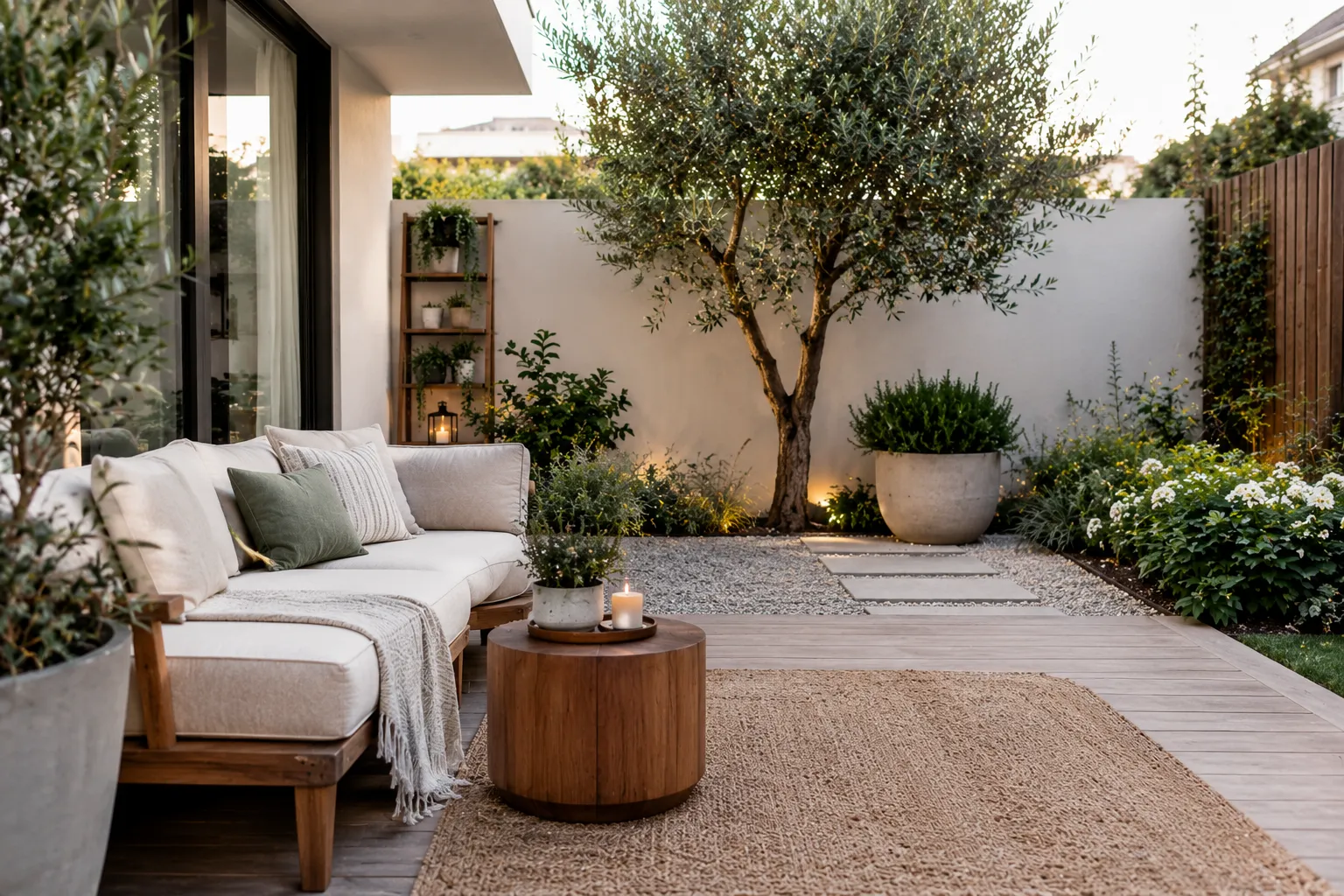
Modern exterior architecture demands a deliberate stripping away of non-essential elements to reveal the pure architectural volume of a site. When designing outdoor environments, homeowners frequently struggle with visual clutter, disjointed planting schemes, and an over-reliance on decorative items that disrupt the natural horizon. The pursuit of tranquility requires a disciplined approach to landscape architecture where every single rock, plant specimen, and surface transition serves a definitive structural or atmospheric purpose. Implementing minimalist garden ideas for a calm and simple look transforms chaotic yards into restorative sanctuaries characterized by clean sightlines, restrained color palettes, and intentional negative space. By prioritizing quality over quantity, you create an exterior space that breathes, offering a quiet counterpoint to the relentless pacing of contemporary life. This guide explores the foundational doctrines, material specifications, and lighting techniques necessary to craft a landscape that achieves profound visual silence while maintaining absolute functional integrity.
The Foundational Doctrines of Minimalist Landscape Design
Creating a truly tranquil outdoor space begins with an understanding of spatial psychology and structural proportion. Minimalist landscape design is not merely about removing plants; it is about establishing a rigorous geometric framework that governs how the human eye travels across the site. Every architectural element, from boundary walls to stepping stones, must participate in a unified composition.
Establishing Negative Space and Visual Rest
Negative space is the most powerful tool in the minimalist designer arsenal. In traditional gardens, every square foot is often occupied by dense flower beds or garden ornaments. In contrast, a minimalist landscape treats open areas of gravel, smooth concrete, or lawn as active design components. These expansive voids provide visual rest, allowing individual focal points to command attention without competing for dominance. When designing the layout, ensure that at least forty percent of the total ground plane remains completely unobstructed by vertical elements. This breathing room lowers cognitive load, generating an immediate sense of calm the moment you step outside.
Curating a Monochromatic and Restrained Color Palette
Color theory in minimalist gardens relies heavily on tonal variations and natural material patinas rather than vibrant floral displays. Limiting the palette prevents sensory overload. Greenery should be selected for foliage texture, leaf shape, and subtle shifts in tone—ranging from deep blue-greens to silvery grays—rather than seasonal blooms. Hardscape materials must harmonize with the primary structure of the home. Pair weathered steel with charcoal concrete, or warm teak wood with cool limestone. This restrained chromatic approach unifies the indoor and outdoor living areas, dissolving physical boundaries and expanding the perceived volume of the property.
Hardscape Materials and Structural Integrity
The hardscape forms the skeletal structure of any minimalist garden. Because planting schemes are sparse, the quality, texture, and durability of paths, walls, and patios must carry the aesthetic weight of the entire design.
| Material | Primary Application | Tactile Finish | Maintenance Profile |
|---|---|---|---|
| Poured Architectural Concrete | Patios and walkways | Smooth trowel or light acid-wash | Low; occasional sealing |
| Corten Steel | Raised planters and edging | Stable oxidized rust patina | Very low; self-protecting alloy |
| Basalt Stone | Stepping stones and water features | Flamed or honed matte | Minimal; highly weather-resistant |
| Black Mexican Beach Pebbles | Ground cover and dry riverbeds | Tumbled smooth | Low; periodic clearing of debris |
Defining Circulation and Sightlines
Circulation paths through a minimalist garden should feel inevitable and effortless. Instead of winding labyrinthine paths, use long, uninterrupted lines that guide the pedestrian smoothly through the space. Monolithic large-format pavers set flush into gravel create a clean, floating effect. Pay close attention to sightlines from interior windows. Position structural plants or architectural water features precisely where indoor views terminate, transforming the garden into a living piece of art viewed from the comfort of the living room or kitchen.
Warning: Avoid small, fragmented paving materials. Small pavers generate visual noise and break the clean horizontal planes essential for a calm aesthetic. Always specify the largest format tiles, slabs, or boards that your budget and structural load capacities permit to maintain an uninterrupted sense of scale.
Botanical Selection and Planting Strategies
Plant selection in a minimalist context requires architectural discipline. Every specimen must possess a strong silhouette and predictable growth habits to preserve the integrity of the original design over time.
- Structural Grasses: Utilize feather reed grass or blue fescue for vertical accent and delicate movement in the wind.
- Architectural Trees: Plant multi-stemmed Japanese maples or birch trees to cast elegant, dappled shadows on blank walls.
- Ground-Hugging Evergreens: Employ creeping juniper or boxwood spheres clipped into geometric precision to anchor corners.
- Textural Accents: Incorporate architectural succulents like agaves or yuccas to provide sharp, sculptural contrast against soft gravel.
The Art of Repetition and Grouping
Resist the urge to plant a diverse botanical collection. Minimalist gardens achieve serenity through repetition. Plant a single species of ornamental grass in a long, unbroken linear drift rather than mixing multiple flowering perennials. When using feature trees, plant them in odd-numbered clusters of three or five rather than isolated specimens. This deliberate massing creates a powerful visual rhythm that anchors the eye and brings order to the exterior environment.
Multi-Layered Illumination for Nighttime Serenity
Lighting is the final architectural layer that dictates how a minimalist garden performs after sunset. Poorly executed outdoor lighting creates harsh glares and deep, chaotic shadows. A calm nighttime aesthetic demands a restrained, multi-layered approach focusing on ambient, task, and accent lighting.
- Concealed Uplighting: Place low-voltage LED uplights at the base of architectural trees to highlight their structural branch patterns against dark boundaries.
- Linear Path Grazing: Install steplight fixtures or linear LED strips underneath floating concrete benches and stair treads to define circulation safely without visible hardware.
- Subdued Backlighting: Use soft washes of light against vertical slatted wood fences or board-formed concrete walls to expand the perceived boundaries of the garden at night.
- Water Feature Illumination: Submerge waterproof warm-white LED fixtures within minimalist reflecting pools to create gentle surface ripples and calming acoustic resonance.
Frequently Asked Questions About Minimalist Garden Ideas for a Calm and Simple Look
How do I maintain a minimalist garden without it looking sterile or empty?
Maintaining warmth in a minimalist garden without adding clutter comes down to introducing organic textures and varied material patinas. While the geometry remains clean and controlled, the surfaces themselves should display natural character. Incorporate board-formed concrete that shows the grain of the wood, natural stone with subtle veering, and weathering metals like Corten steel. Additionally, living elements provide organic movement. The gentle sway of ornamental grasses in the wind or the shifting play of sunlight filtering through the canopy of a multi-stemmed tree injects life and warmth into the space, ensuring it feels deeply welcoming rather than cold.
What are the best plants for a low-maintenance minimalist garden?
The best plants for this aesthetic are those with strong architectural forms, slow growth rates, and high drought tolerance. Consider using architectural evergreens such as clipped boxwood spheres or columnar yews that require infrequent pruning to maintain their geometric shapes. Ornamental grasses like fountain grass or blue oat grass provide excellent vertical lines and soft texture with minimal upkeep. For structural focal points, multi-stemmed trees such as serviceberry or Japanese maple offer seasonal interest without dropping excessive debris, keeping cleanup fast and straightforward.
How can I incorporate water into a minimalist garden design?
Water features in a minimalist landscape should emphasize stillness, reflection, and quiet acoustic dampening rather than dramatic splashing. Linear reflecting pools set flush with the surrounding paving create mirror-like surfaces that amplify natural light and capture the sky. Alternatively, a monolithic block of basalt or granite with a quiet, bubbling upwelling mechanism provides the soothing sound of moving water without chaotic turbulence. The key is to conceal all plumbing, pumps, and edges so the water appears as a natural, seamless incision within the hardscape.
Can a small courtyard or urban balcony use minimalist garden principles?
Small urban spaces are actually ideal candidates for minimalist design because strict spatial limits naturally demand simplicity. To maximize a compact courtyard or balcony, eliminate all unnecessary decorative items and focus on a single vertical focal point, such as a tall specimen plant in a sleek planter. Use large-format floor tiles to make the footprint appear wider, and utilize vertical wall space with clean-lined trellises or wall-mounted planters. By keeping the floor plane uncluttered and maintaining a strict two- or three-material color palette, you create an expansive sense of calm within a very tight footprint.