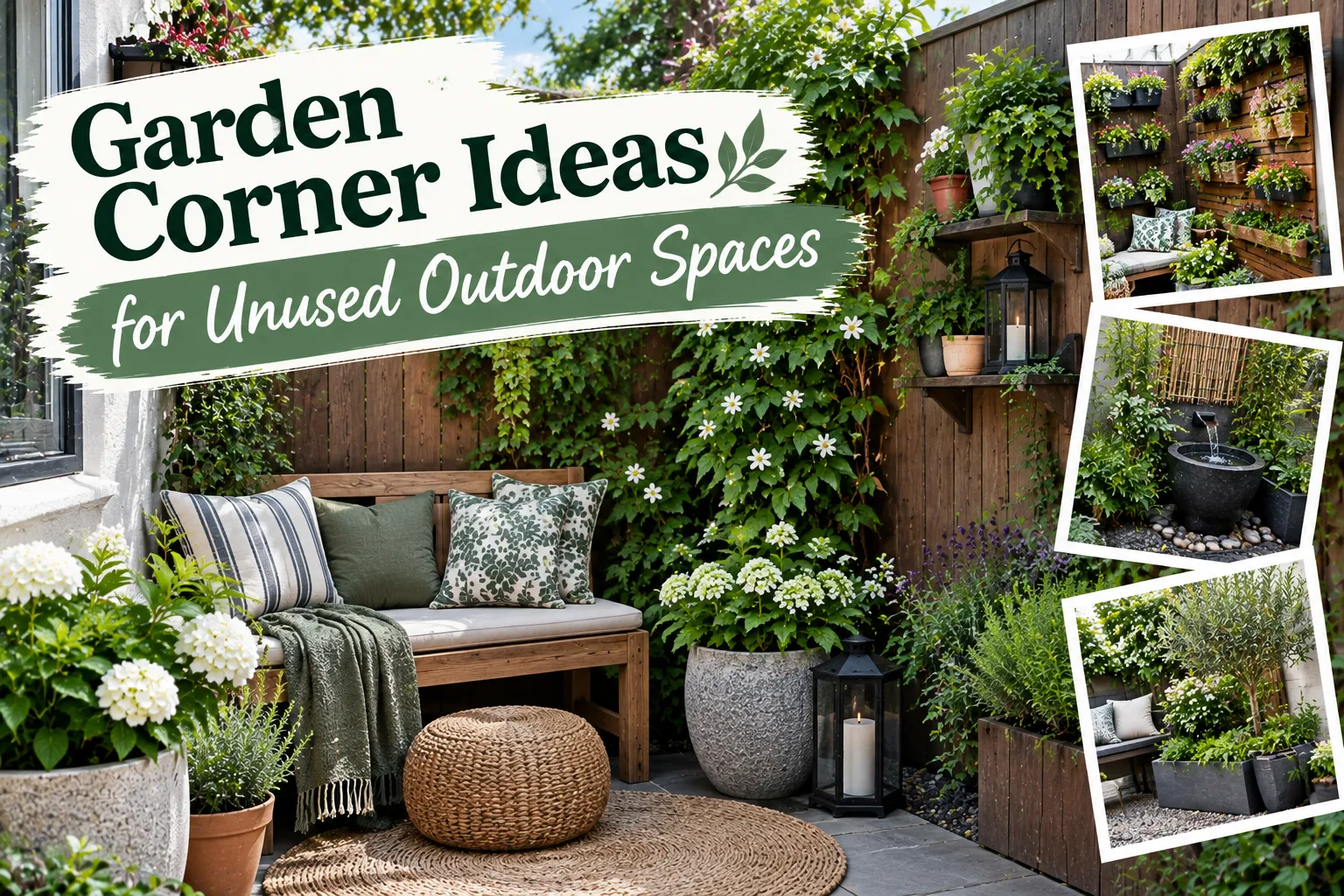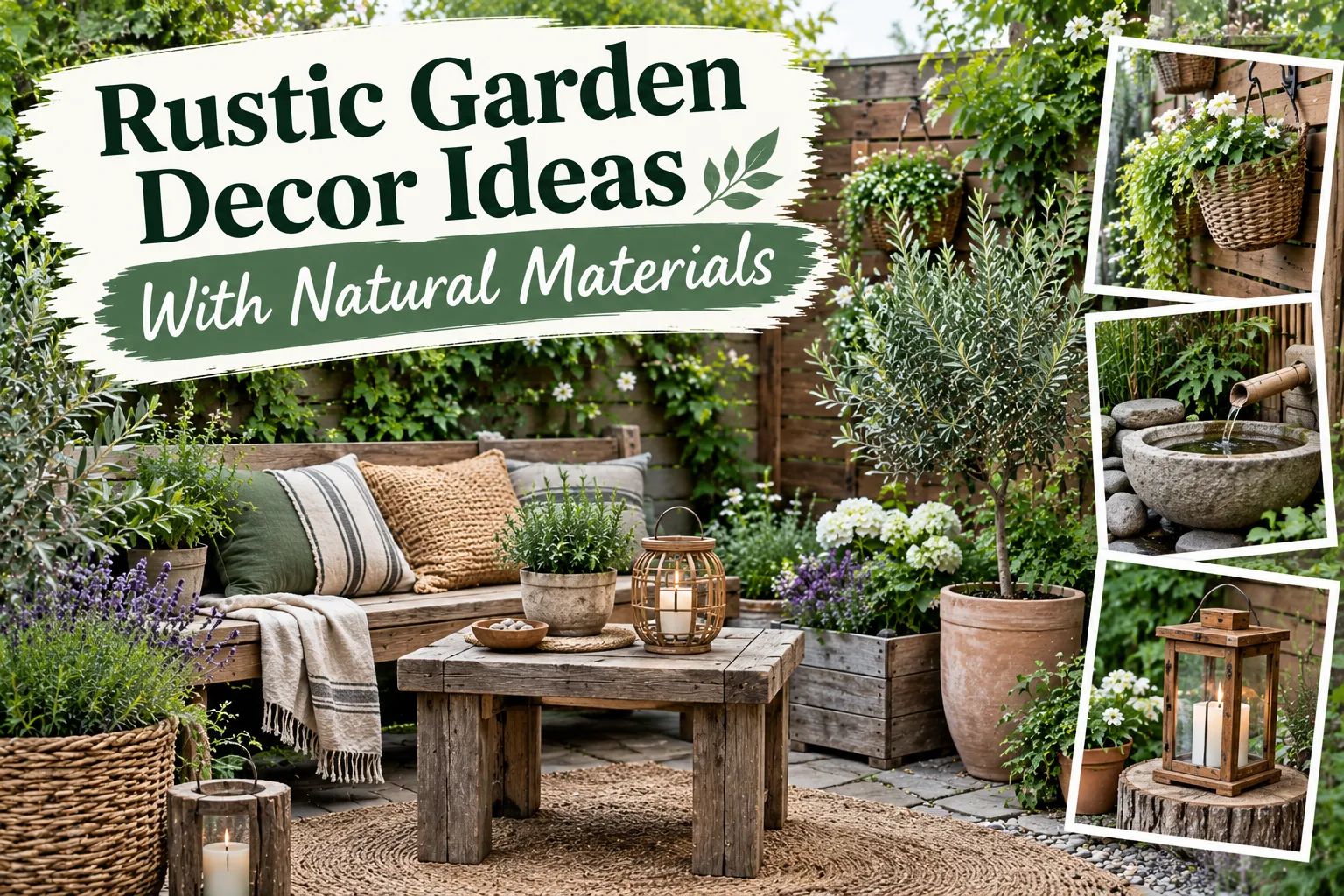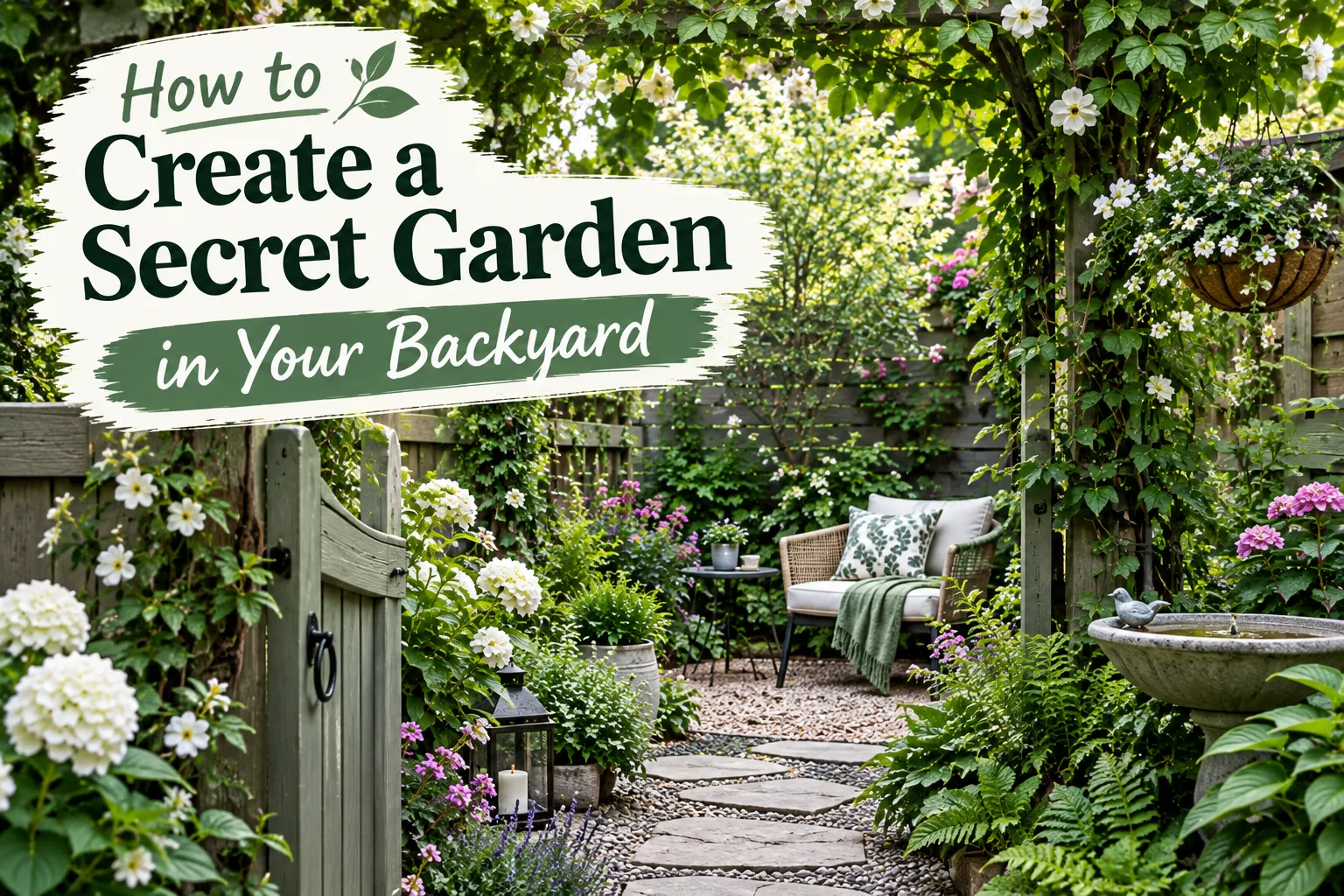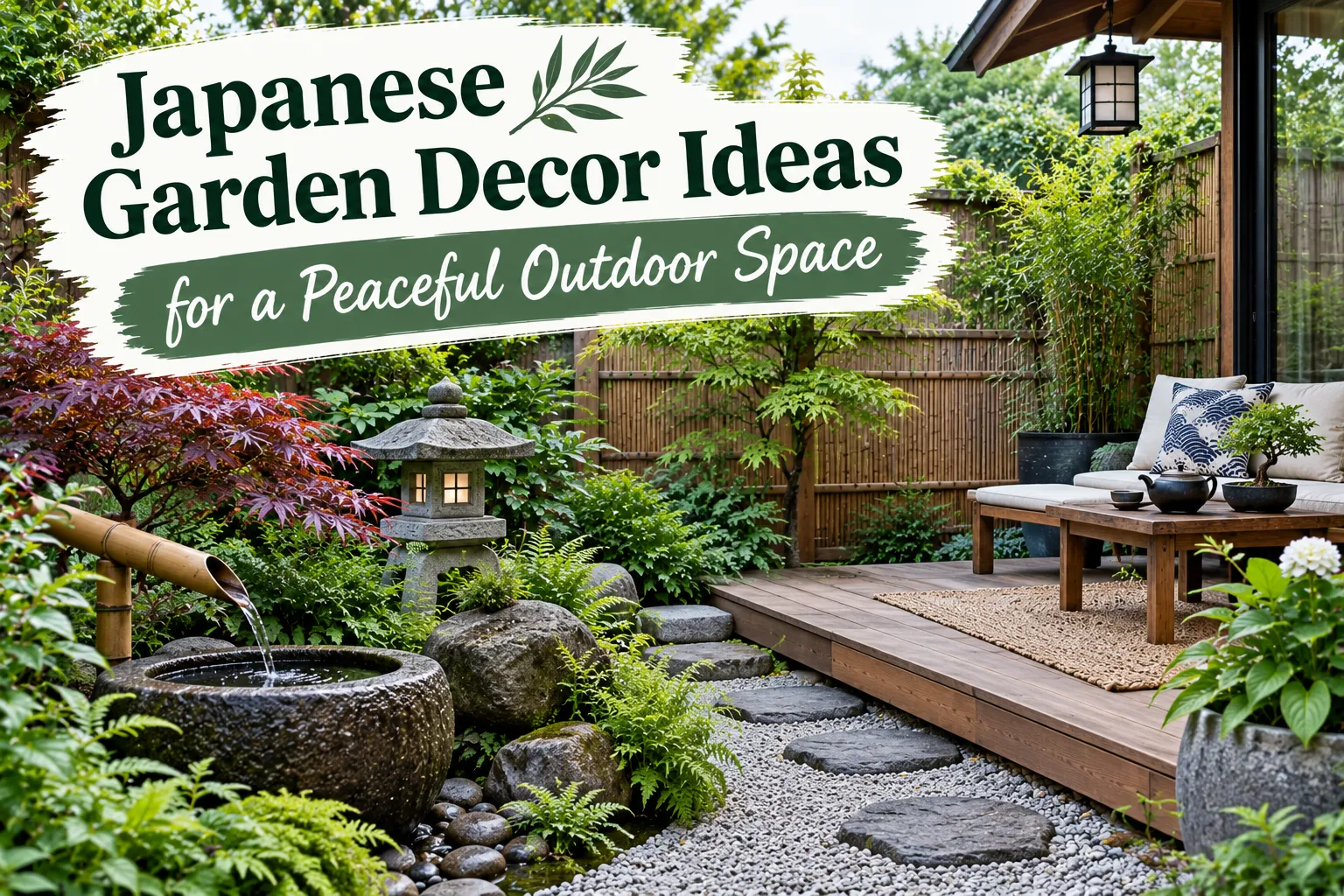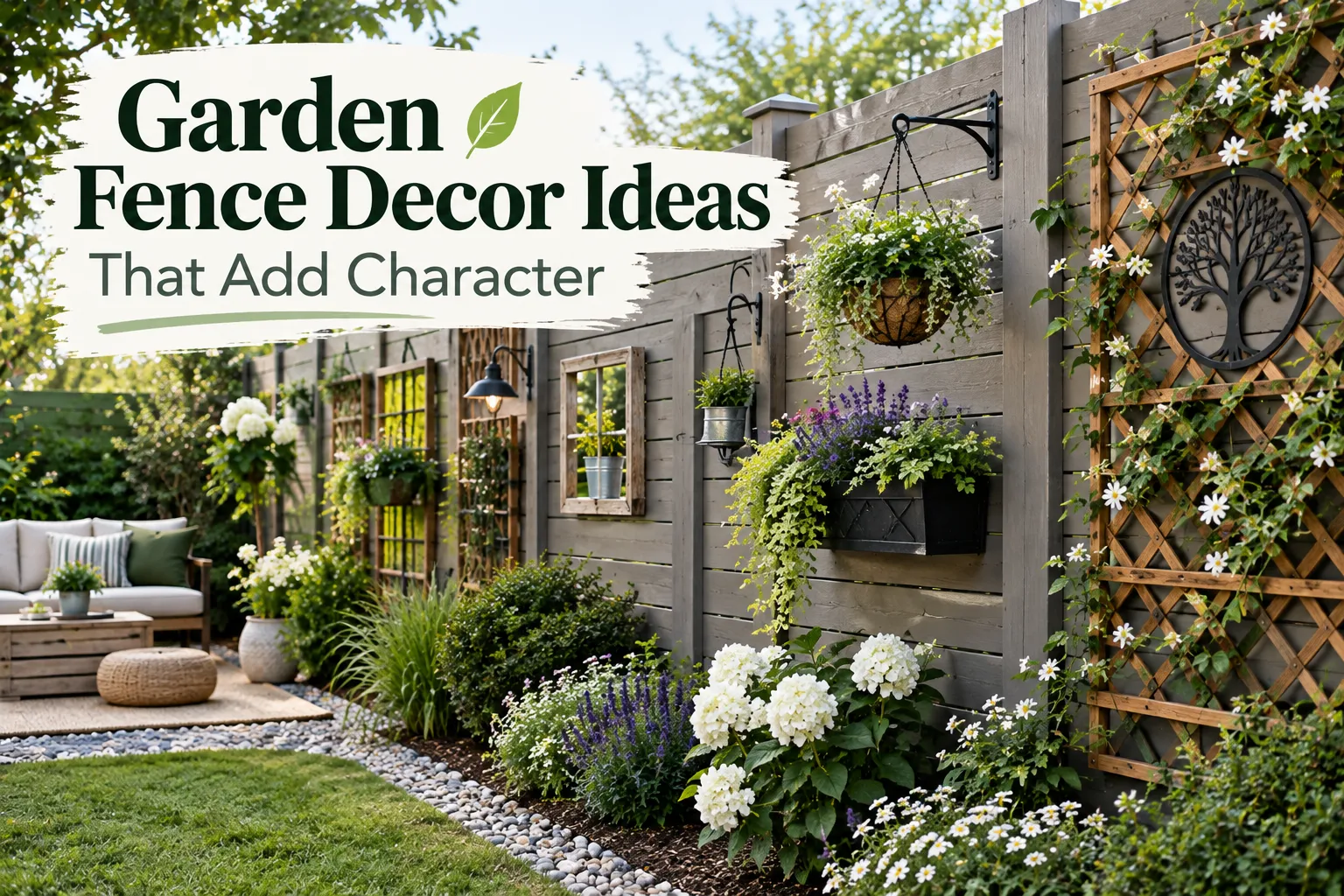
The perimeter of an outdoor space frequently presents an architectural friction point, acting as a stark, uncompromising boundary that isolates a property rather than framing it. When standard timber panels or utilitarian wire meshes define the edges of a garden, the entire landscape suffers from a lack of visual cohesion and tactile warmth. Addressing these spatial constraints requires more than a simple coat of paint. It demands a sophisticated layering of elements that softens hard vertical planes, manipulates natural light, and introduces deliberate architectural rhythm. Implementing thoughtful garden fence decor ideas that add character transforms a mundane boundary into a dynamic focal anchor, shifting the psychological perception of yard boundaries from confining barriers to curated living backdrops.
Executing successful boundary transformations relies on understanding how light behaves across different seasons and how materials weather over time. A raw wooden fence reacts differently to ambient moisture and ultraviolet exposure compared to a powder-coated metal grid or a textured masonry wall. By introducing elements that play with negative space, acoustic dampening, and contrasting color undertones, designers can reshape the perceived proportions of a compact courtyard or a sprawling suburban yard. The goal is to establish a sophisticated dialogue between the structural hardscape and the organic softness of surrounding plantings, creating a seamless transition from the interior living space out into the natural environment.
Architectural Principles and Proportion in Boundary Design
Successful exterior styling begins with an honest assessment of scale and proportion. A common design miscalculation involves applying heavy, ornate decor to low fences, which overpowers the structure and makes the yard feel visually compressed. Conversely, vast expanses of uninterrupted vertical timber require substantial textural interruptions to prevent visual monotony. Establishing visual weight along a boundary line depends on breaking the plane into deliberate vertical and horizontal zones.
Balancing Visual Weight and Negative Space
Managing the interplay between solid surfaces and open voids prevents a yard from feeling claustrophobic. When incorporating structural elements such as floating shelves, wall-mounted planters, or slatted wood overlays, maintain at least forty percent negative space to allow light and air to circulate. This technique prevents the fence from appearing heavy and preserves valuable sightlines that draw the eye toward specimen trees or architectural garden features.
- Integrate asymmetrical mounting patterns to disrupt rigid linear boundaries and create organic movement.
- Layer slender evergreen climbers behind open geometric metal screens to generate a dynamic shadow play throughout the day.
- Vary the depth of mounted decor items by two to four inches to cast subtle shadows that enhance the three-dimensional quality of the surface.
Color Undertones and Material Durability
Selecting a color palette for exterior boundaries requires analyzing the surrounding environment, including the masonry of the primary structure, native foliage hues, and local soil characteristics. Avoid stark, high-contrast black or brilliant white unless the architecture explicitly calls for modern minimalism. Instead, opt for earthy, desaturated dark tones such as charcoal with green undertones, deep slate gray, or warm taupe. These shades recede visually, allowing foliage and decorative hardware to emerge as the primary focal points.
| Material Type | Ideal Application | Maintenance Level | Weathering Behavior |
|---|---|---|---|
| Accoya or Cedar Wood | Slatted screens, floating architectural boxes | Low to Moderate | Weathers to a sophisticated silvery gray patina over time. |
| Corten Steel | Geometric panels, sculptural planters, accent insets | Low | Develops a stable, protective rust layer that resists further corrosion. |
| Powder-Coated Aluminum | Lightweight trellises, modern grid systems | Very Low | Retains original factory finish with minimal fading or chalking. |
| Reclaimed Brick Veneer | Textured piers, focal niches, masonry anchors | Low | Gains organic character through weathering and moss accumulation. |
Tactile Pairing and Multi-Layered Illumination
Elevating a plain boundary requires a multi-sensory approach that addresses touch, sound, and light. Flat surfaces feel inherently sterile until layered with contrasting textures such as rough-hewn stone, weathered metals, or woven natural fibers. Simultaneously, the way a fence is illuminated after dark dictates its nighttime character, transforming a dark perimeter into an intimate, glowing architectural surround.
Executing a Comprehensive Lighting Strategy
Relying on a single floodlight washes out architectural details and creates harsh, unflattering shadows. A professional lighting scheme employs a three-tiered approach encompassing ambient, task, and accent lighting.
- Install low-voltage ambient up-lighting at the base of the fence posts to graze the vertical grain, highlighting natural textures and wood knots.
- Mount adjustable directional spots overhead or within nearby tree canopies to wash wide sections of the boundary with soft, moonlight-mimicking illumination.
- Incorporate integrated accent lighting behind floating architectural panels or beneath mounted display ledges to create a sophisticated glowing halo effect.
Never run exposed low-voltage wiring along the surface of a decorative fence panel without protective conduit. Always route cables cleanly behind structural posts or through concealed channels to maintain a pristine, editorial-grade finish.
Incorporating Living Greenery and Botanical Anchors
Integrating plant life directly into boundary decor softens rigid geometric lines and blurs the hard edge where the garden meets the property line. Rather than simply planting a uniform hedge at the base, use the fence itself as a vertical canvas for botanical display.
- Mount modular, powder-coated steel pocket planters in staggered configurations to create a living green wall artwork.
- Install stainless steel wire cable trellises to train deciduous vines that provide lush summer foliage and allow winter sunlight to pass through bare branches.
- Hang galvanized metal troughs filled with cascading ornamental grasses or trailing perennials to introduce dynamic movement with every breeze.
Advanced Styling Workflows and Curated Accents
Achieving a high-end editorial look involves curating non-traditional objects and architectural salvage to punctuate the boundary line. The placement of these items must feel intentional rather than cluttered, adhering to strict rules of rhythm and asymmetrical balance.
Curating Architectural Salvage and Found Objects
Sourcing vintage windows, cast-iron grates, or weathered stone lintels introduces instant historic depth to a newly constructed garden. When mounting heavy architectural artifacts, structural integrity is paramount. Fasten objects directly to primary support posts using heavy-duty galvanized or stainless steel anchor brackets rather than relying on thin surface boards.
- Position antique mirrors treated with heavy foxing within wooden frames to bounce light into dark, shaded garden corners.
- Incorporate salvaged wrought-iron balcony railings as decorative top-rail extensions or standalone art pieces anchored directly to sturdy masonry piers.
- Create intentional display niches by recessing small sections of wooden fencing to house ceramic vessels or hand-carved stone sculptures.
Frequently Asked Questions About Garden Fence Decor Ideas That Add Character
How can I decorate a rental property fence without causing permanent damage?
Renters can achieve high-impact visual transformations by utilizing non-invasive mounting techniques. Heavy-duty cable ties, tension rods secured between posts, and freestanding vertical garden screens placed flush against the boundary require no drilling or nailing. Additionally, hanging lightweight wicker panels or outdoor fabric tapestries using weather-resistant adhesive hooks provides instant texture and can be removed completely upon moving out.
What are the best exterior paint finishes for wooden boundary fences?
Exterior acrylic latex stains and high-pigment matte wood oils are superior to standard gloss paints for garden fences. Stains penetrate deep into the wood fibers rather than sitting as a surface film, which prevents blistering and peeling caused by moisture expansion. Opt for penetrating finishes with UV inhibitors and matte or low-sheen undertones to absorb light softly and mask minor surface imperfections.
How do I integrate mirrors into outdoor fence decor safely?
Outdoor mirrors require careful placement to avoid creating hazardous light reflections that can blind neighbors or concentrate intense solar heat onto nearby plants, potentially causing scorching. Position mirrors in deeply shaded corners where they can capture and bounce ambient light rather than direct sunlight. Ensure the mirror features a waterproof backing, a weather-sealed frame, and shatter-resistant acrylic or laminated glass construction.
What plants work best alongside vertical fence decor?
Selecting the right flora depends on the microclimate of your boundary wall. For sunny exposures, drought-tolerant climbers like star jasmine or climbing roses provide intense seasonal fragrance and dense cover. For shaded boundaries, evergreen ferns, climbing hydrangea, and ivies offer lush, year-round texture without requiring aggressive structural pruning or intensive maintenance.
How can I protect metal fence decor from rust and corrosion?
High-end metal decor made from iron or non-galvanized steel requires a proactive finishing process to withstand seasonal moisture. Apply a rust-inhibiting metal primer followed by two coats of exterior enamel paint in a matte or satin finish. For materials like Corten steel, allow the metal to develop its protective outer patina naturally before sealing it with a specialized stabilizing clear coat to prevent excessive runoff onto surrounding paving.