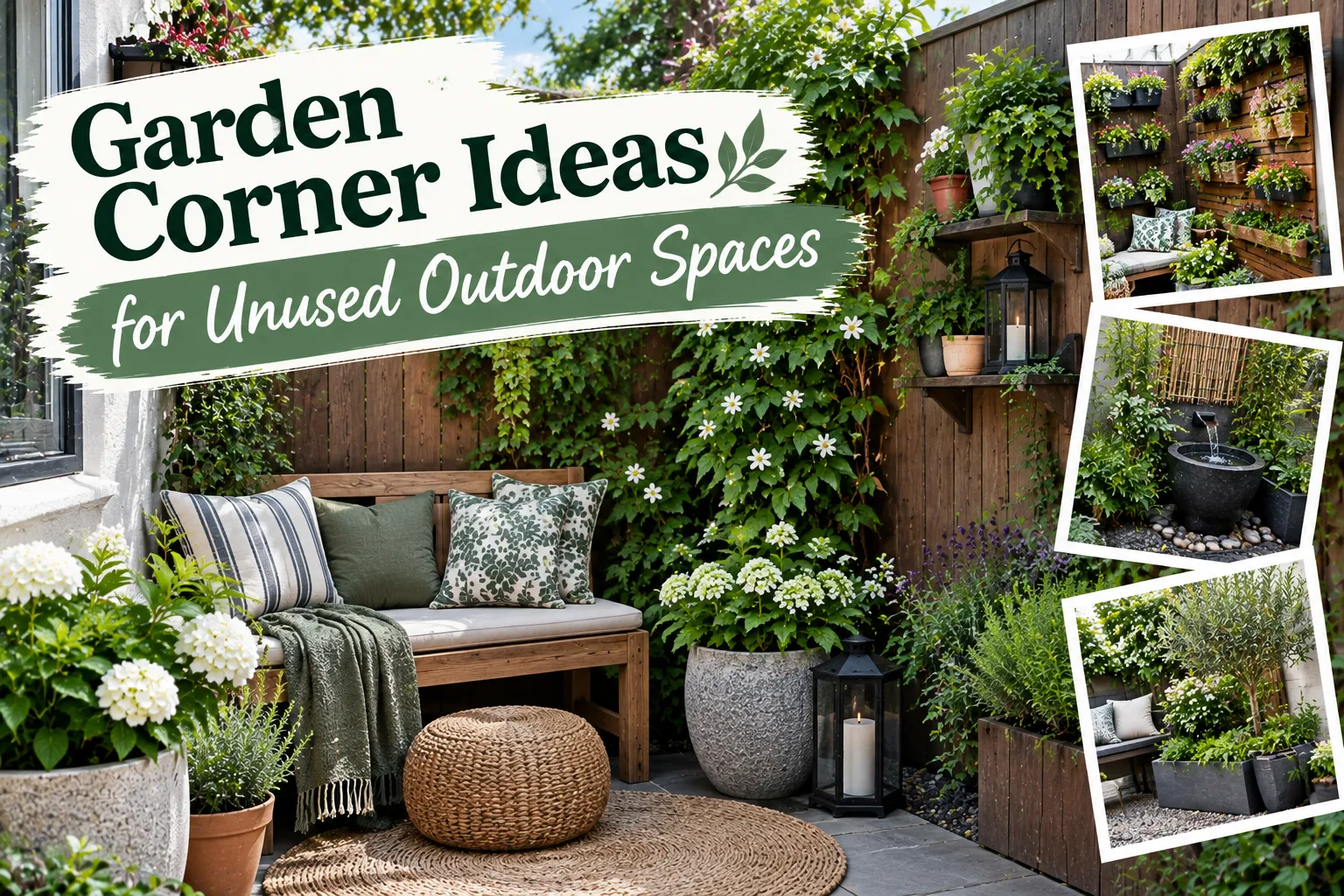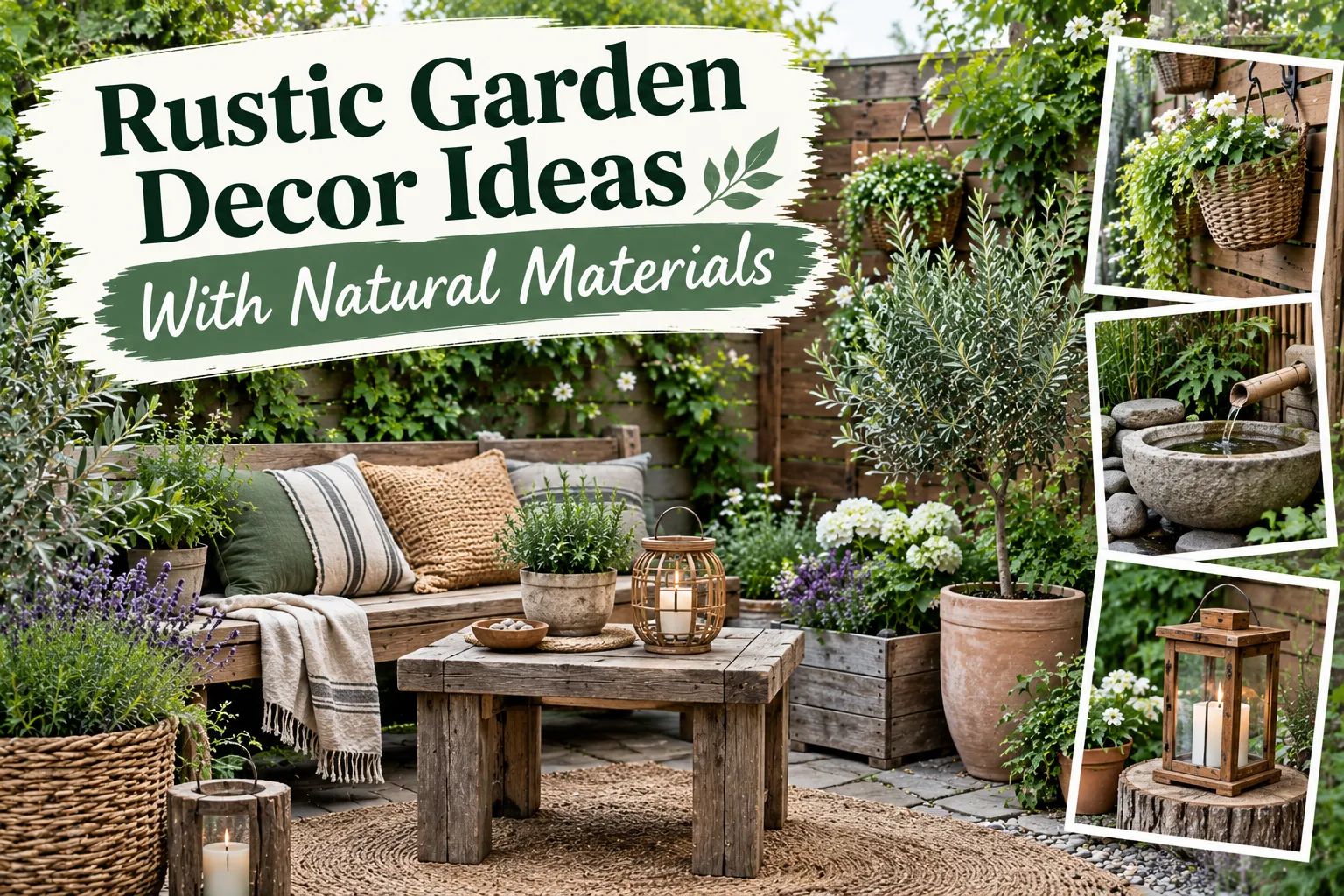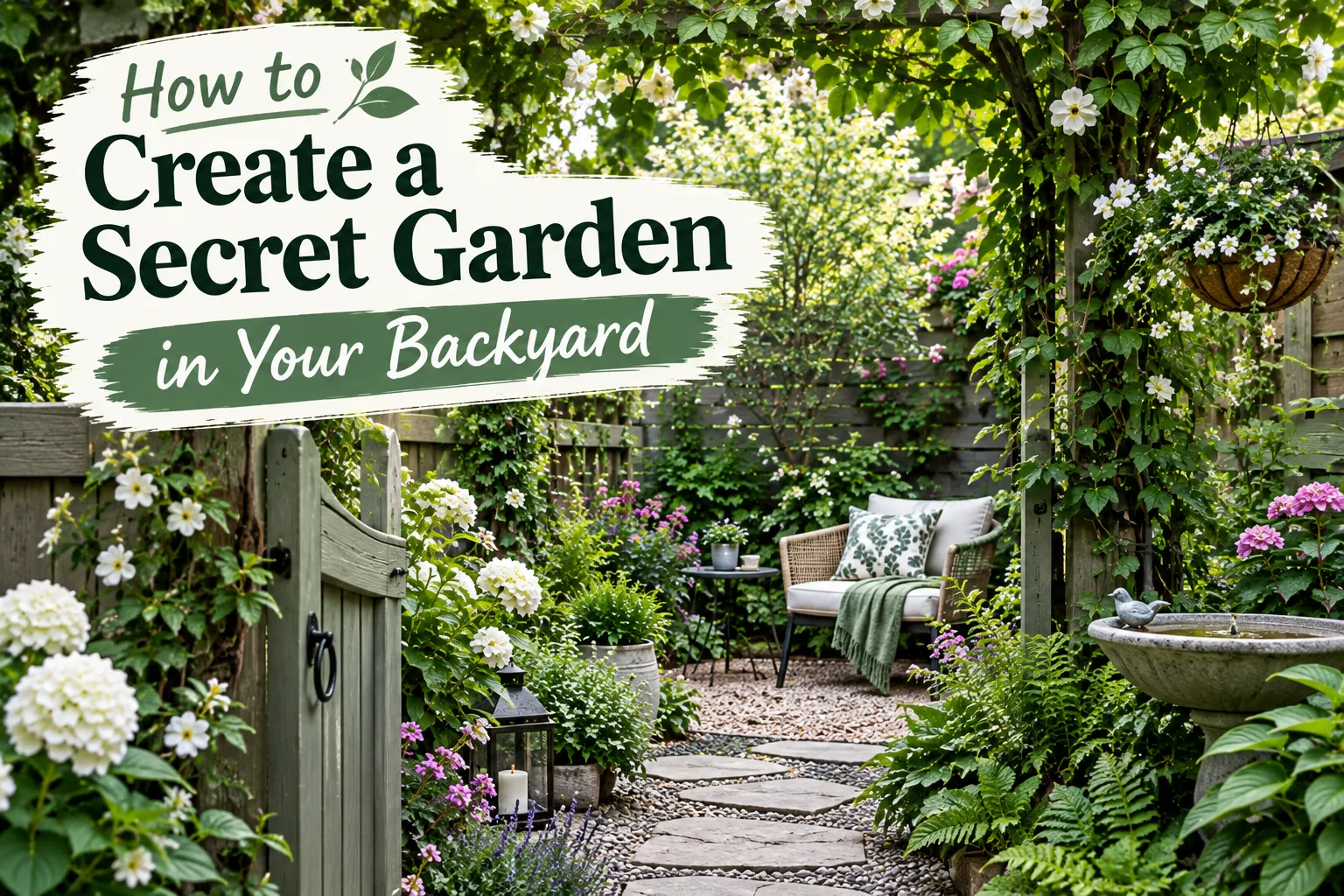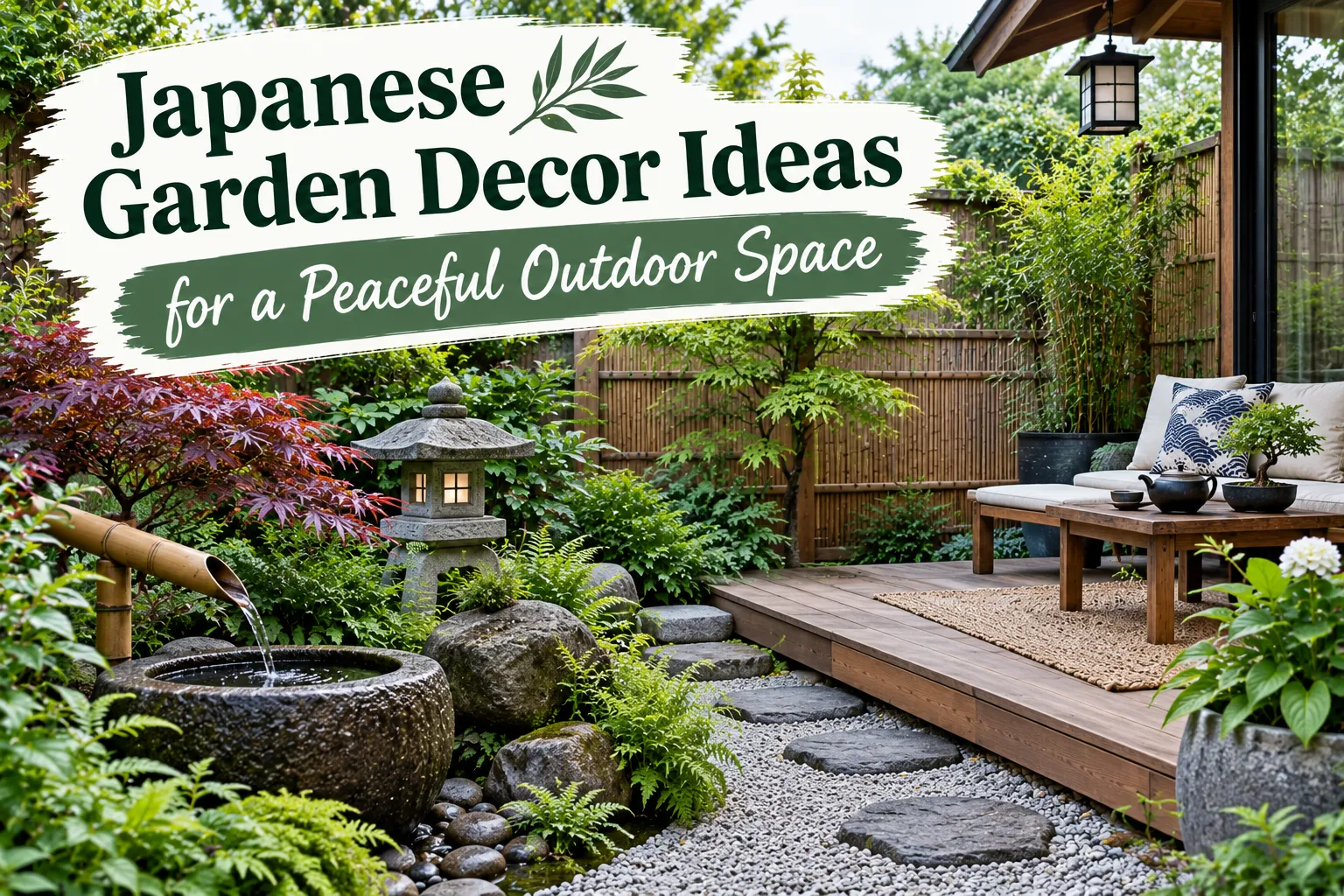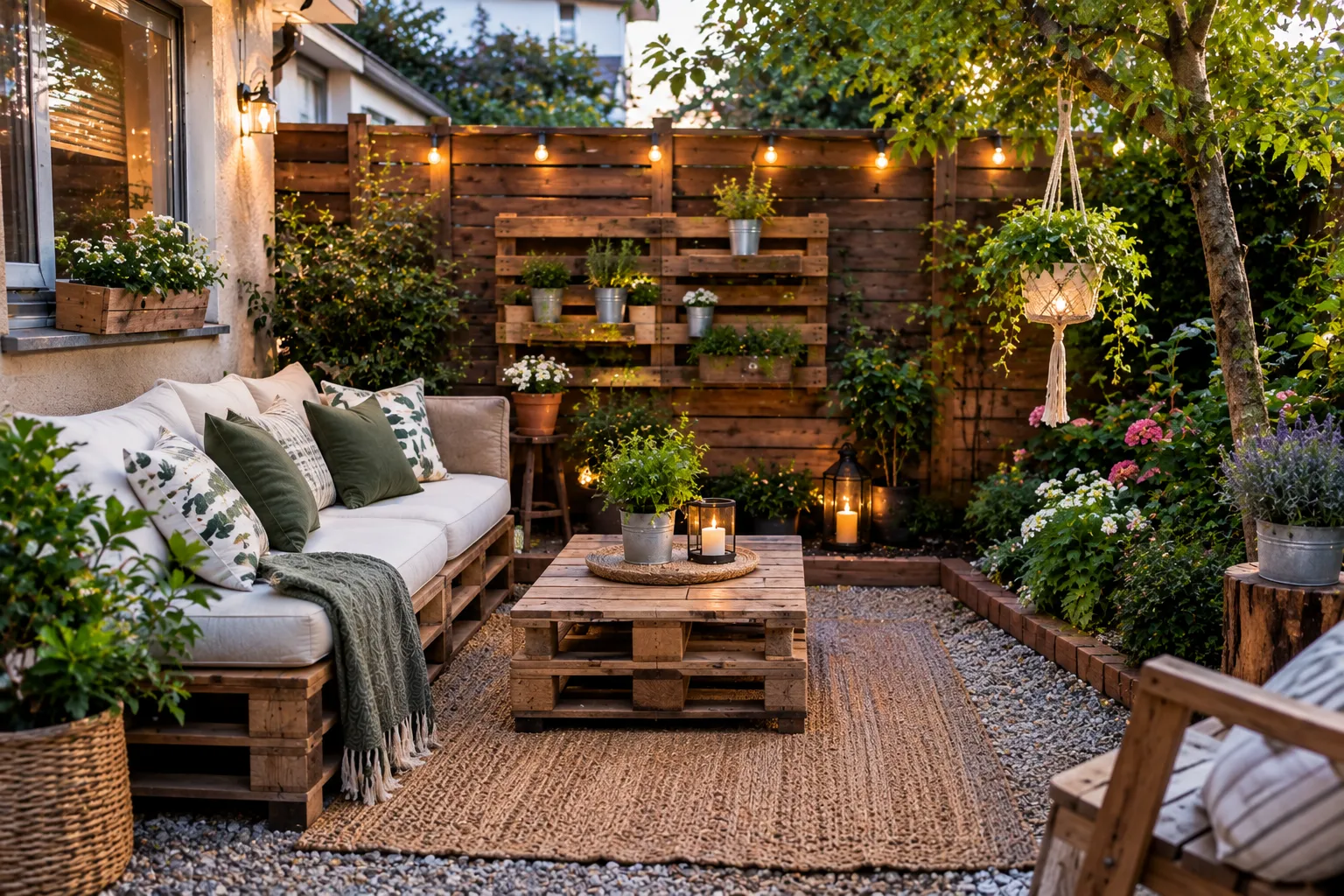
Transforming an exterior landscape into a curated, cohesive outdoor room rarely requires an exorbitant financial commitment. When approaching exterior design, the most common spatial friction points stem from a lack of focal anchors, unmanaged sightlines, and poor balancing of hardscape textures against organic greenery. Implementing thoughtful Budget-Friendly Garden Decor Ideas allows you to manipulate visual weight, introduce architectural rhythm, and establish a distinct narrative without overhauling your entire footprint. Whether you are addressing a compact urban courtyard or a sprawling suburban perimeter, the secret lies in understanding how natural light interacts with raw materials, how negative space frames plantings, and how disciplined editing prevents visual clutter. Professional landscape design relies less on expensive imported elements and more on intentional placement, tactical weathering, and the juxtaposition of contrasting finishes. By evaluating your garden through the lens of proportion and scale, you can deploy economical upgrades that yield high-impact aesthetic results.
Establishing Spatial Flow and Circulation Paths
Before introducing any decorative objects, you must evaluate the underlying architecture of your garden. Circulation paths dictate how the human eye and body move through an exterior space. Unclear pathways create psychological friction, making small gardens feel cramped and large gardens feel disjointed. Establishing clear routing requires modest investments in edging materials, gravel, or reclaimed stepping stones that guide foot traffic naturally.
Defining Borders and Negative Space
Negative space is a vital design tool that prevents outdoor rooms from feeling chaotic. Allowing areas of mulch, bare earth, or clean gravel to rest undisturbed creates breathing room for statement plants. When executing Budget-Friendly Garden Decor Ideas, avoid the temptation to fill every square foot with ornaments. Instead, create deliberate pockets of emptiness that highlight the structural geometry of nearby foliage. Low-cost steel edging or salvaged brick borders help define crisp lines between planting beds and walkways, establishing an immediate sense of professional polish.
Sightlines and Focal Anchors
Every well-designed garden needs a visual destination. When standing at your primary indoor viewing window or stepping out onto the patio, your gaze should naturally land on a deliberate focal anchor. This might be a sculptural container, an aged terracotta urn, or a minimalist trellis mounted against a blank fence. By positioning these elements strategically, you draw attention away from awkward property lines or utility meters, successfully manipulating perception through scale and placement.
Materiality, Patina, and Tactical Textures
The tactile quality of your garden decor dictates its perceived value. Mass-market plastic ornaments and high-gloss finishes often clash with the organic irregularity of plant life. To achieve a sophisticated aesthetic on a strict budget, source materials that embrace natural weathering and develop a rich patina over time.
Raw steel, untreated timber, unglazed terracotta, and natural stone absorb light differently than synthetic alternatives, casting soft shadows and blending harmoniously into the landscape. When mixing textures, balance rough-hewn surfaces like split-face concrete blocks with smooth elements such as polished river rocks or sleek metal planters. This contrast prevents the landscape from feeling monochromatic or flat.
| Material Type | Ideal Application | Patina Behavior | Design Advantage |
|---|---|---|---|
| Corten Steel | Raised bed edging, modern planters | Forms a stable, rust-like protective orange-brown coat | Offers contemporary structural lines with zero maintenance |
| Unglazed Terracotta | Container gardening, focal vessels | Accumulates mineral deposits and soft moss over time | Allows root systems to breathe while aging gracefully |
| Reclaimed Timber | Benches, retaining walls, pergolas | Silvers and checks under UV exposure | Introduces rustic warmth and historical narrative |
| Basalt Shingle | Ground cover, water feature surrounds | Darkens when wet, resists fading | Provides a sophisticated dark neutral backdrop for greens |
Layering Illumination for Atmospheric Depth
Lighting is frequently treated as an afterthought in exterior design, yet it remains the most powerful tool for extending the usability and aesthetic appeal of a garden into the evening hours. A truly successful lighting scheme avoids harsh floodlights in favor of multi-layered illumination categorized into ambient, task, and accent lighting.
- Ambient Illumination: Establish a baseline glow using budget-friendly string lights woven through overhead pergola beams or low-voltage path lights that map out circulation routes.
- Task Illumination: Focus light strictly where functional tasks occur, such as a subtle downlight positioned over an outdoor prep station or seating area.
- Accent Illumination: Position inexpensive solar or low-voltage spike uplights at the base of architectural plants, multi-stemmed ornamental trees, or textured walls to cast dramatic, elongated shadows.
Never point directional spotlights directly outward toward seating areas or windows, as this creates blinding glare. Instead, conceal light sources behind foliage or architectural features so that only the reflected glow is visible, preserving the natural nocturnal atmosphere.
Vertical Zoning and Maximizing Vertical Real Estate
When ground space is limited or budgets restrict expansive hardscaping, shifting your design focus upward provides an immediate architectural solution. Vertical gardening draws the eye toward the sky, effectively increasing the perceived volume of small yards and courtyards.
Utilizing Trellises and Espalier Techniques
Blank exterior walls and stark boundary fences represent wasted design potential. Installing affordable wooden lattice panels or wire tension systems creates an armature for climbing vines like star jasmine, clematis, or ivy. Alternatively, practicing the ancient art of espalier by training fruit trees flat against a wall turns living flora into organic wall art, combining productivity with high-end aesthetic value.
Hanging Planters and Floating Shelves
Repurposing reclaimed scaffolding boards onto exterior masonry creates floating display ledges for trailing succulents, herbs, and small potted specimens. Staggering these shelves at varying heights breaks up the monotonous plane of a fence. Ensure that any wall-mounted hardware is weather-rated, utilizing galvanized or stainless steel fasteners to prevent rust bleeding onto your siding or fencing.
Color Theory and Botanical Palettes
Color choices in the garden should be treated with the same intentionality as interior paint schedules. Randomly mixing clunky, brightly colored garden gnomes and mismatched pots shatters visual harmony. Instead, curate a restrained palette that complements the architectural tone of your primary structure.
- Monochromatic Green: Layer plants with varied leaf shapes, from the broad, tropical fronds of hostas to the fine, needle-like foliage of ornamental grasses, creating depth entirely through texture rather than hue.
- Cool Harmonies: Pair silver-leafed plants like artemisia and lavender with deep purple heuchera and slate gray containers to evoke a serene, modern coastal aesthetic.
- Warm Contrast: Use terracotta vessels and rust-toned rusted steel accents alongside chartreuse foliage and deep burgundy maples to introduce vibrant energy without relying on loud, plastic accessories.
Frequently Asked Questions About Budget-Friendly Garden Decor Ideas
How can I make inexpensive plastic planters look high-end?
Standard nursery pots and resin planters can be easily elevated through surface treatments. Apply a thick slurry of exterior latex paint mixed with fine play sand or tile grout using a stippling motion with a stiff bristle brush. This faux-finish technique creates a convincing porous texture that mimics heavy cast stone or aged terracotta once dry. Sealing the dried surface with a matte exterior varnish ensures weather resistance and prevents chipping.
What are the best low-cost plants for creating instant structural impact?
Ornamental grasses such as feather reed grass, blue fescue, and maiden grass provide rapid vertical growth and architectural movement with minimal upkeep. Boxwood and yew alternatives like inkberry holly tolerate aggressive pruning, allowing you to shape formal hedges and spheres on a modest budget. For immediate color and architectural leaf structure, fast-growing perennials like hostas and daylilies fill out beds quickly, suppressing weeds and maximizing ground cover.
How do I anchor lightweight garden decor against wind damage?
Lightweight decor items such as metal sculptures, hollow pedestals, and tall planters are susceptible to tipping during seasonal storms. To secure them without compromising visual appeal, anchor hollow vessels by filling the bottom third with heavy gravel or river rocks before adding your potting soil and plants. For freestanding metal art pieces, drive rebar stakes into the ground directly behind the piece and secure the structure discreetly with color-matched wire or heavy-duty cable ties.
What is the most cost-effective way to hide an ugly fence or wall?
Painting a stark boundary fence in a deep, matte charcoal or dark forest green color immediately pushes the barrier visually backward, making your plants pop forward as the primary focal point. If painting is not permitted, hang inexpensive reed or bamboo screening rolls over the eyesore using cable ties. Layering this natural texture with a few strategic hanging planters or climbing vines completely transforms the vertical plane at a fraction of the cost of total fence replacement.
How can I incorporate seating areas into a budget garden layout?
Instead of purchasing expensive matching patio furniture sets, construct a relaxed lounging zone using concrete cinder blocks and sturdy dimensional lumber. Stack cinder blocks to form two stable end pillars, then slot thick wooden beams across the top, topping the arrangement with weather-resistant outdoor cushions. This modular approach provides functional seating, introduces a modern industrial aesthetic, and can be disassembled or reconfigured easily as your garden layout evolves.