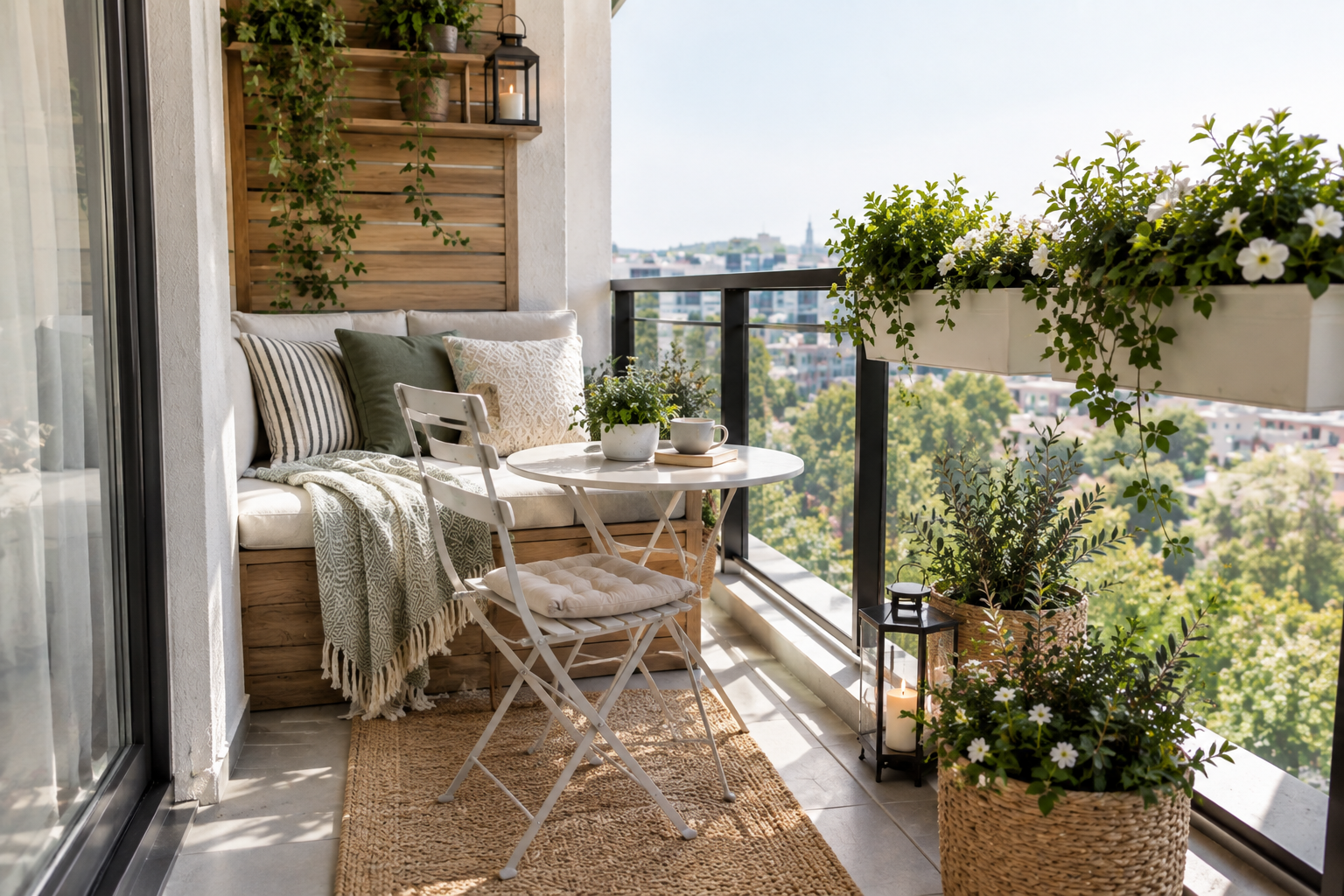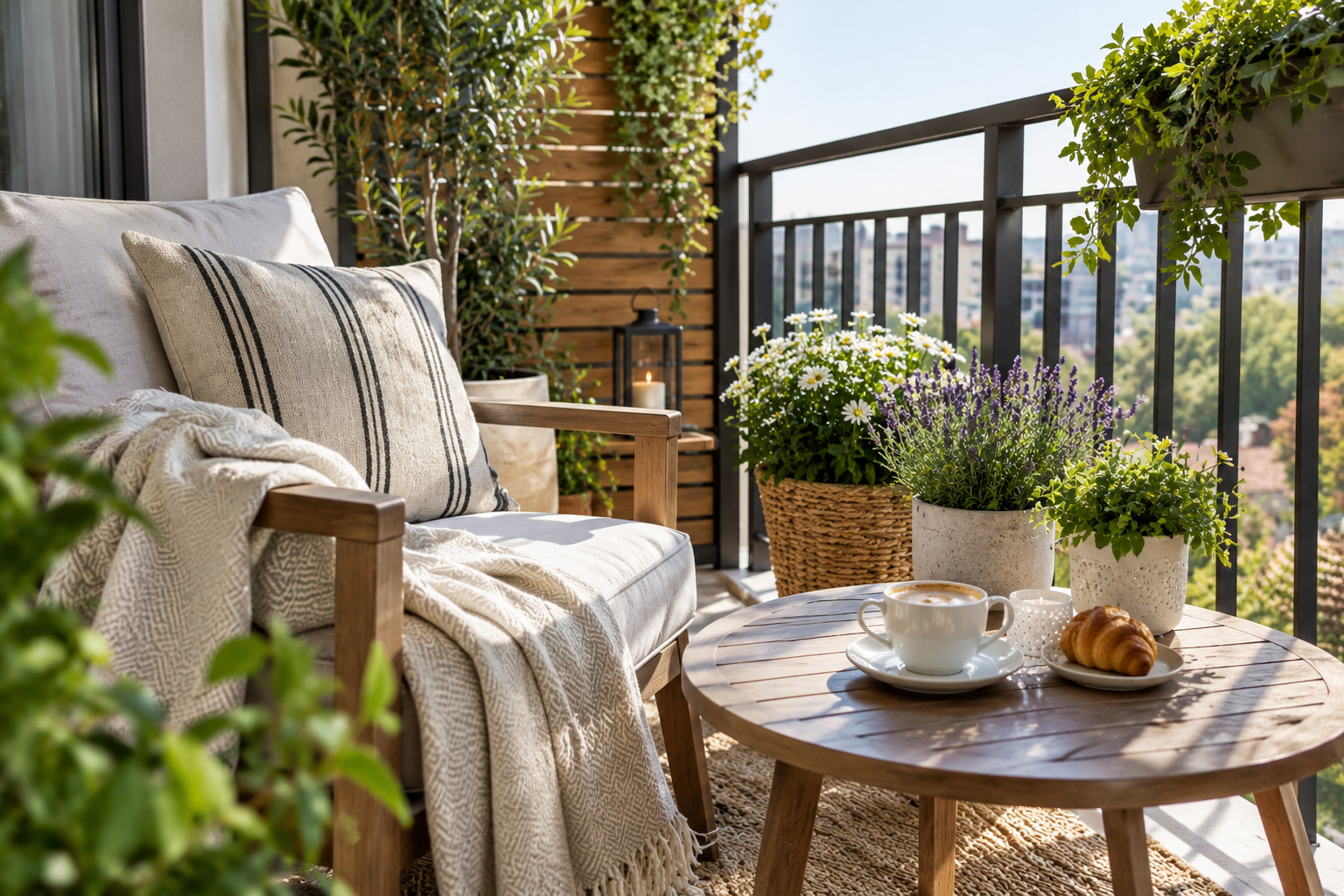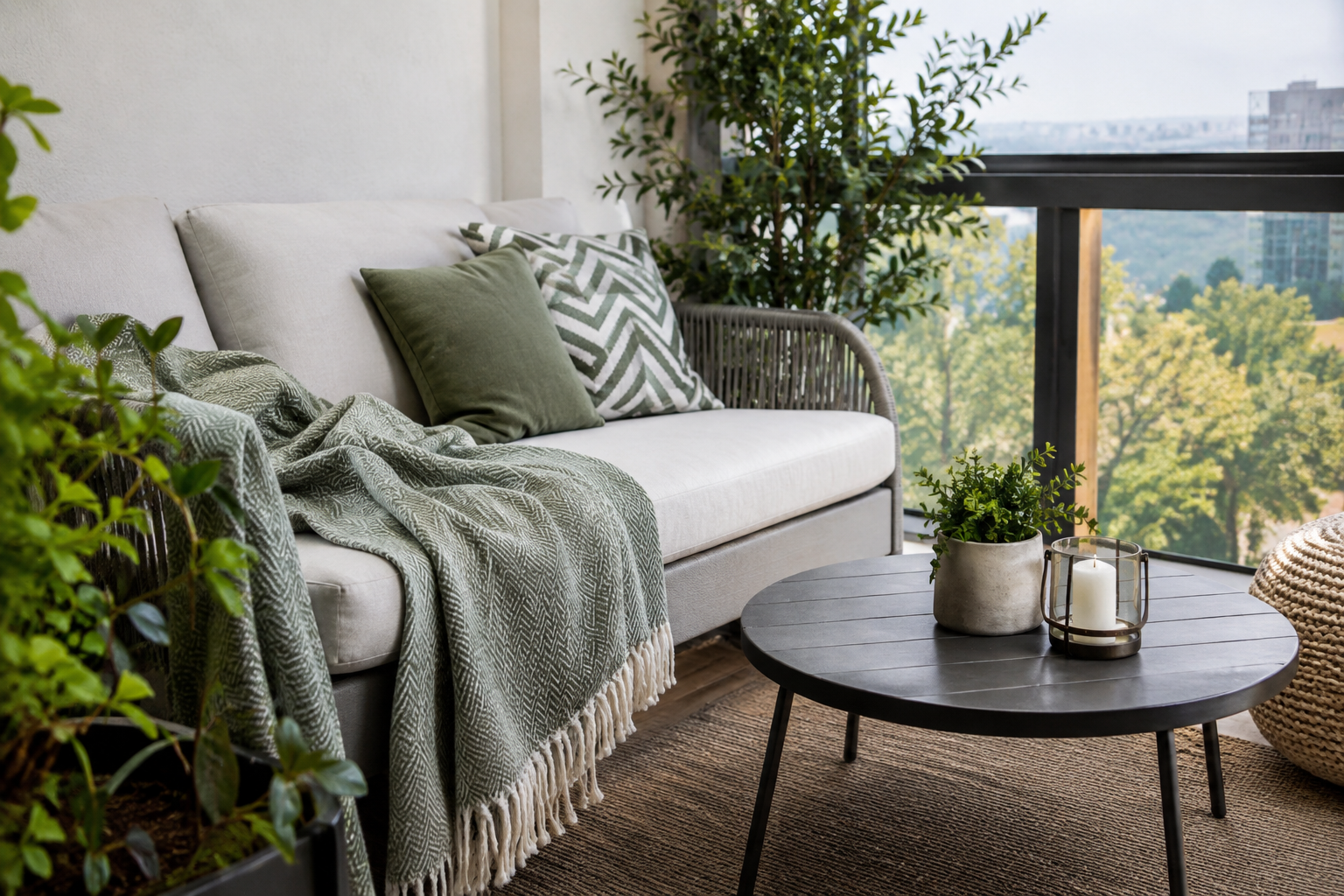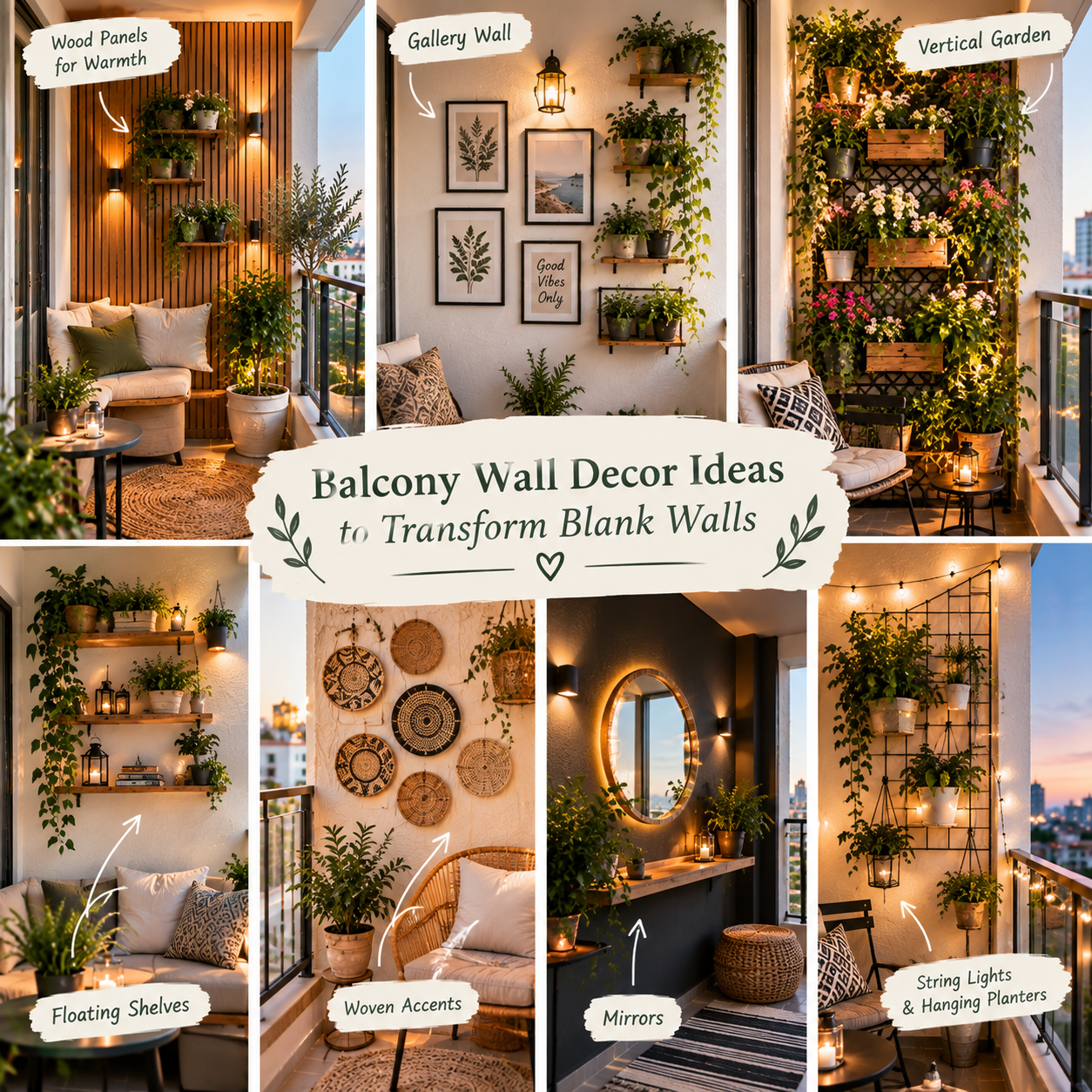
Urban outdoor spaces frequently present unique structural constraints, ranging from wind tunnel effects on high-rise ledges to awkward cantilevered floor plates that challenge traditional furniture layouts. Too often, apartment dwellers treat these exterior footprints as seasonal afterthoughts, dragging in plastic chairs when temperatures drop or abandoning the area entirely during unpredictable weather shifts. Establishing a truly functional outdoor room requires moving past superficial styling to address fundamental architectural realities. Implementing year-round balcony decor ideas for every season demands a strategic approach to microclimates, structural load limits, material durability, and visual sightlines from interior living spaces. By balancing tactile warmth with weather-resistant engineering, you can transform a neglected ledge or compact loggia into an integrated extension of your home that performs reliably through scorching summer sun and freezing winter precipitation alike. This guide explores professional design doctrines, spatial optimization techniques, and precise material selections to curate an enduring outdoor environment tailored to human scale and environmental resilience.
Spatial Programming and Architectural Foundations
Successful exterior design begins with rigorous spatial programming. Before selecting furnishings or textiles, analyze how natural light tracks across your balcony throughout the year. South-facing platforms demand heavy UV protection and heat-tolerant flora, while north-facing extensions require reflective surfaces and ambient illumination to counteract persistent shadows. Establishing clear circulation paths ensures that the space remains functional rather than feeling congested.
Balancing Visual Weight and Negative Space
Maintaining an appropriate ratio of solid elements to negative space prevents small balconies from feeling claustrophobic. Heavy architectural planters or built-in benches should anchor one end of the floor plate, leaving sightlines through railings uninterrupted. Consider how the balcony relates to the interior flooring. Extending a visually similar or complementary threshold material visually dissolves the boundary between indoors and outdoors, amplifying perceived square footage.
- Anchor corners with heavy, frost-proof ceramic or composite vessels to ground the composition without consuming central floor area.
- Utilize vertical planes by mounting trellises or modular shelving units, shifting storage and display requirements off the walking surface.
- Select low-profile seating that keeps sightlines open from the interior living room, preserving uninterrupted views of the horizon or streetscape.
Traffic Flow and Scale Proportions
Compact footprints require strict adherence to human scaling principles. Standard deep-seated lounge chairs often overwhelm small cantilevers, impeding door swings and restricting movement. Opt instead for slender frames constructed from powder-coated aluminum or solid teak that offer ergonomic comfort without excessive bulk. Ensure a minimum clearance of twenty-four inches along primary pathways to maintain comfortable ergonomic flow.
Materiality, Durability, and Seasonal Transitions
Material selection dictates the longevity and maintenance requirements of your exterior design. Every element must withstand thermal shock, moisture accumulation, and continuous ultraviolet exposure. Pairing raw, high-patina metals with tactile, weather-tested textiles creates a sophisticated tension that elevates the space above standard patio styling.
| Material Category | Primary Application | Weather Resistance Profile | Maintenance Protocol |
|---|---|---|---|
| Teak Wood | Flooring tiles, dining tables | High natural oil content repels moisture and pests. | Allow to weather to a silver-gray patina, or apply annual UV-inhibiting sealers. |
| Powder-Coated Aluminum | Chair frames, side tables | Exceptional rust and corrosion resistance for coastal or high-humidity zones. | Wipe down periodically with mild soap and water to clear particulate buildup. |
| Solution-Dyed Acrylic | Upholstery, throw pillows, outdoor rugs | Resistant to mold, mildew, and chlorine fading; quick-drying core. | Brush off loose dirt and machine wash covers on a gentle cycle as needed. |
| Sintered Stone | Tabletops, accent counters | Impervious to heat, scratching, thermal shock, and freezing temperatures. | Standard surface cleaning with non-abrasive household cleaners. |
- Assess the weight load limits of your specific balcony structure before introducing heavy stone planters, water features, or dense hardwood decking tiles.
- Layer high-performance textiles like solution-dyed acrylics over quick-dry reticulated foam cushions to prevent moisture retention during damp autumn and winter months.
- Incorporate tactile contrast by pairing cold metallic frames with warm, textured elements such as woven synthetic rattans or wool-alternative outdoor rugs.
Always verify the maximum structural load capacity with your building management or a structural engineer before installing heavy masonry planters, large water features, or extensive timber decking systems, as saturated soils and dense materials can quickly exceed safety thresholds on cantilevered slabs.
Multi-Layered Illumination for Extended Usability
As daylight hours shorten during autumn and winter, effective lighting strategies become essential for maintaining the usability and visual appeal of your balcony. Relying solely on a harsh overhead exterior bulkhead fixture flattens the space and creates unwanted glare against glass doors. A professional lighting design requires a layered approach combining ambient, task, and accent illumination.
Ambient and Accent Lighting Layers
Ambient illumination establishes the foundational glow of the space. Integrate low-level floor lanterns, dimmable LED strip lighting hidden beneath built-in seating ledges, or rechargeable cordless table lamps that emit a warm color temperature between 2200K and 2700K. Accent lighting should highlight architectural features, such as the textured bark of an evergreen specimen tree or the vertical rhythm of a slatted privacy screen, casting soft shadows that add depth to the exterior envelope.
- Use IP65-rated waterproof fixtures designed explicitly for exposed outdoor environments to ensure electrical safety during heavy rain or snow.
- Position subtle uplighting at the base of structural plantings to create dramatic vertical silhouettes against exterior walls after dark.
- Incorporate smart home integration to program lighting schedules that automatically adjust as natural twilight transitions into evening.
Acoustic Dampening and Microclimate Management
Urban balconies frequently contend with unwanted noise pollution, harsh wind gusts, and glaring sunlight. Transforming an exposed platform into a sheltered sanctuary requires targeted environmental controls that soften sound waves and block wind vectors without sacrificing aesthetic harmony.
Softening Urban Noise with Living Greenery
Hard surfaces such as concrete slabs, glass railings, and brick facades reflect sound waves, creating an echo chamber effect. You can mitigate urban noise by introducing dense plantings with broad, fleshy leaves or fine needle structures that absorb and diffuse acoustic energy. Boxwoods, ornamental grasses, and evergreen conifers retain their foliage year-round, ensuring consistent sound dampening even when deciduous plants drop their leaves.
- Install heavy outdoor drapery panels along sheltered loggia openings to soften perimeter acoustics and block direct wind shear.
- Layer high-pile, outdoor-rated loop rugs over concrete or tile floors to absorb footfall noise and insulate against cold subfloors during winter.
- Construct slatted timber privacy screens that interrupt wind velocity while maintaining filtered sightlines and light penetration.
Frequently Asked Questions About Year-Round Balcony Decor Ideas for Every Season
How do I protect my balcony furniture during harsh winter weather?
Protecting exterior furnishings through freezing months requires breathable, waterproof covers fitted securely with drawstrings to prevent wind lofting. For furniture crafted from delicate materials or natural wicker, store pieces indoors in a dry basement or storage locker if temperatures drop below freezing. Cushions should always be stored in heavy-duty weatherproof bins or brought inside to prevent internal mold growth caused by trapped condensation and recurring freeze-thaw cycles.
What plants survive outdoors on a balcony in all four seasons?
Evergreen conifers such as dwarf Alberta spruce, boxwood shrubs, and certain varieties of juniper and yew maintain their color and foliage throughout the year. Ornamental grasses like blue fescue and feather reed grass also hold structural interest through winter, though they may go dormant. When planting in containers for year-round display, always select frost-proof planters made from fiberglass, high-density resin, or heavy-duty composite materials that will not crack when wet soil freezes.
How can I make a small balcony feel cozy in the winter without taking up floor space?
Maximize vertical surfaces and utilize multifunctional elements to preserve scarce floor area. Hang heavy outdoor thermal curtains to block cold drafts, mount radiant infrared heaters or LED wall sconces to provide direct warmth and light, and dress seating surfaces with faux fur or heavy wool-alternative throws. Utilizing vertical railing planters or wall-mounted shelving keeps the walking surface entirely clear while allowing you to wrap the perimeter in lush greenery or seasonal branches.
What is the best flooring option for a balcony that looks good year-round?
Interlocking exterior deck tiles made from rot-resistant tropical hardwoods like teak, or composite materials made from recycled wood fibers and plastics, offer exceptional aesthetic appeal and functional performance. These tiles snap together over existing concrete or tile slabs, creating an elevated surface that allows rainwater to drain freely underneath. This prevents puddling, protects feet from cold concrete during winter mornings, and introduces natural warmth that ties interior flooring styles to the outdoors.