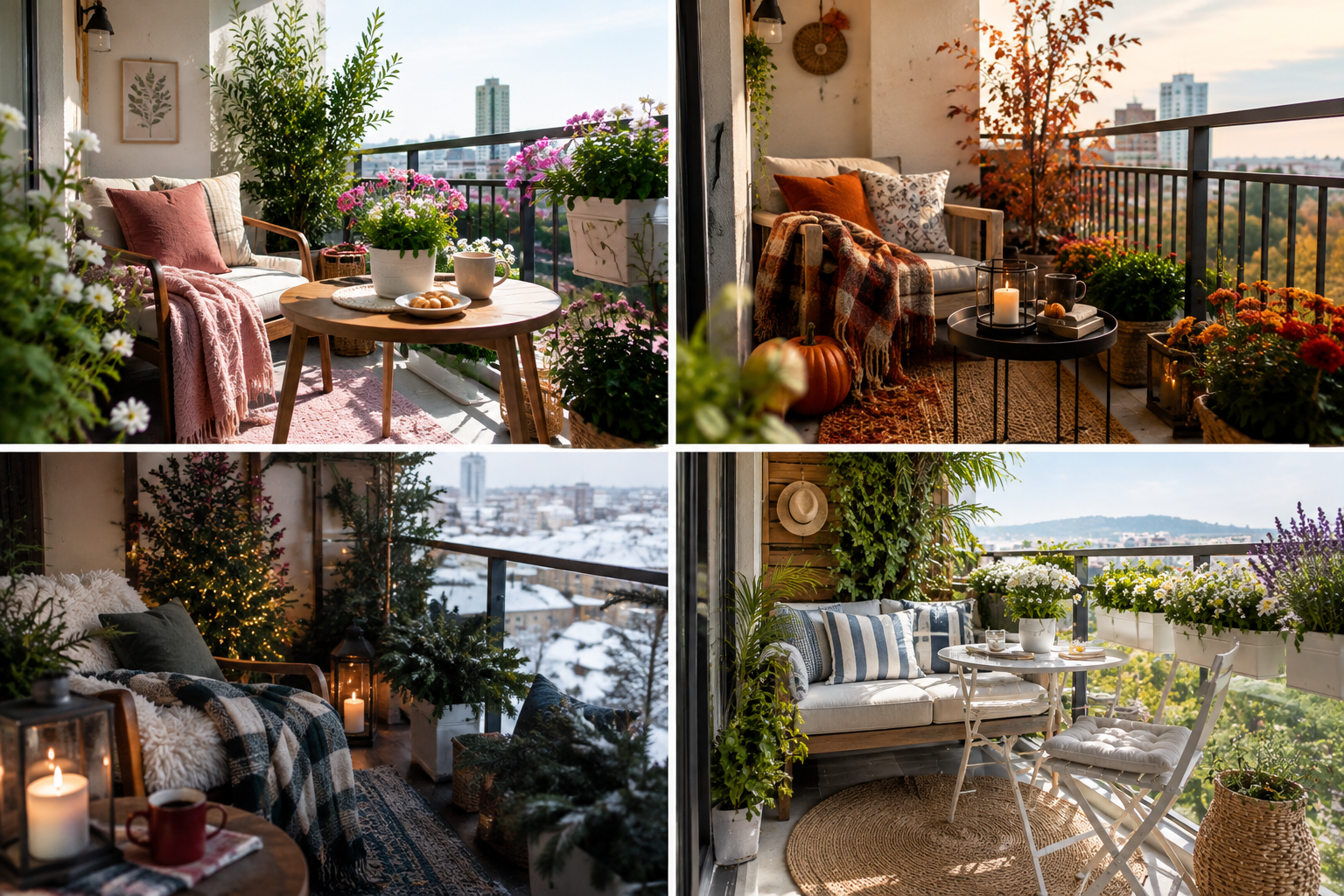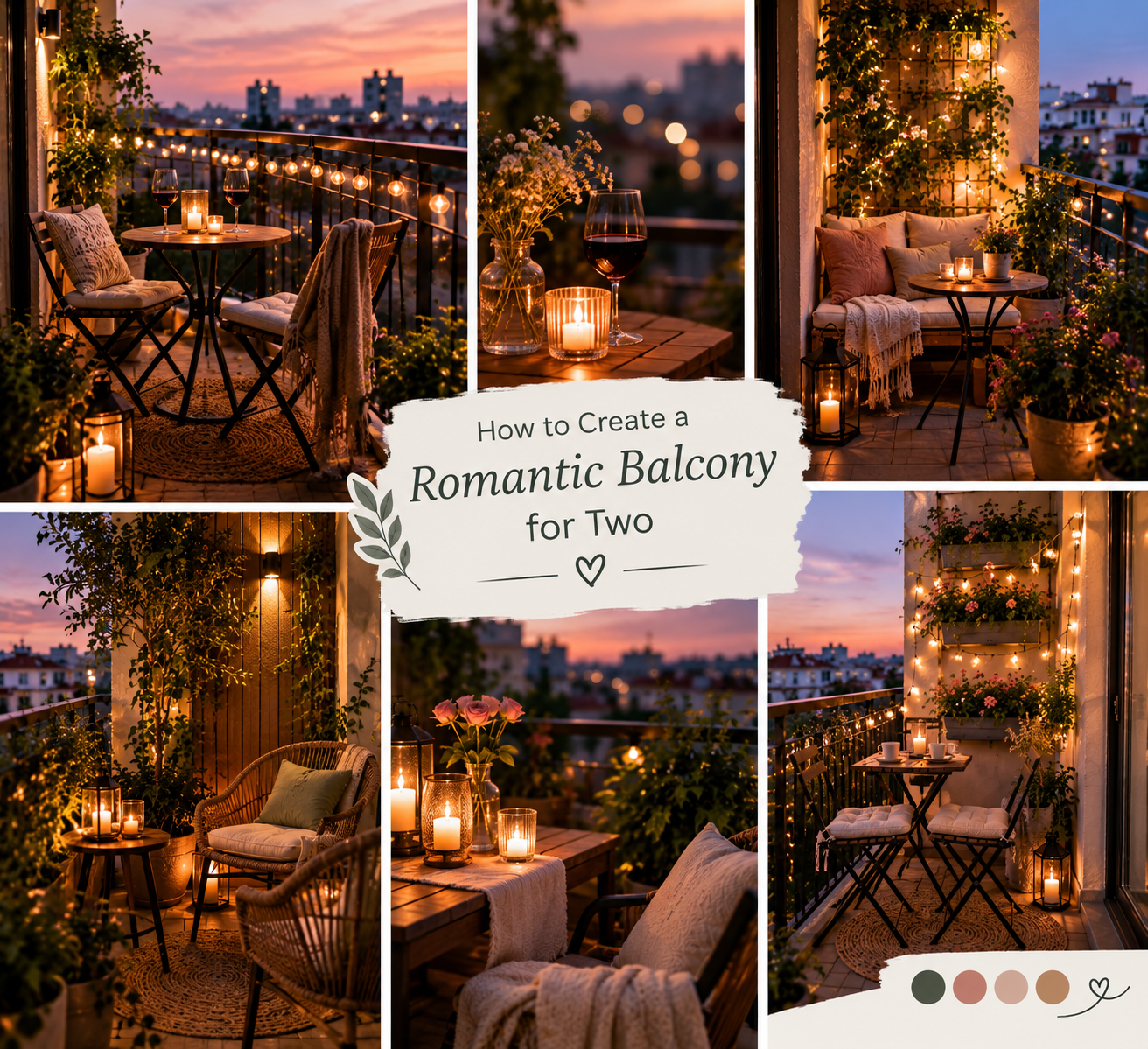
Urban outdoor sanctuaries often present complex spatial paradoxes. You want an intimate retreat that shields you from the chaotic exterior world, yet you are frequently constrained by narrow floor plates, unforgiving direct sunlight, and the echoing acoustic profile of dense neighborhoods. Approaching outdoor design requires a rigorous balance of architectural proportion, tactile enrichment, and precise material selection. When homeowners set out to learn how to create a romantic balcony for two, they often focus entirely on surface-level aesthetics, selecting delicate furniture sets or generic floral arrangements without addressing the foundational structural constraints of the space. Transforming a barren concrete slab or a cold metal-grate overhang into an evocative retreat for two demands a calculated architectural intervention. You must manipulate sightlines, orchestrate multi-layered illumination, and pair contrasting textures to evoke a sense of insulation and warmth. Every square inch must serve a distinct purpose, ensuring that circulation paths remain unobstructed while visual clutter is meticulously edited out of the field of view. By treating your compact exterior footprint as a cohesive room rather than an afterthought, you establish a secluded micro-climate that redefines domestic luxury.
Evaluating Spatial Proportions and Sightlines
Before introducing any physical elements, conduct a thorough analysis of the balcony’s physical dimensions, structural load limits, and prevailing environmental conditions. Understanding how natural light moves across the space throughout the day dictates where you will position seating to catch the late afternoon glow or shelter from harsh midday glare. Sightlines play a critical role in establishing privacy. If your balcony faces neighboring units or street traffic, you must engineer visual barriers that do not compromise the passage of air or light.
Circulation is the lifeblood of any successful small-space layout. Even when designing for two, you must maintain a clear, unobstructed pathway from the interior threshold to the outer railing. Avoid oversized furnishings that break the ergonomic flow of the room. Instead, opt for pieces scaled specifically for compact floor plates, ensuring there is ample clearance for both occupants to move comfortably without disturbing one another.
- Measure the exact swing radius of any adjoining doors to prevent furniture interference.
- Analyze structural weight capacities, particularly if you plan to install heavy planters or stone tabletops.
- Identify micro-climate zones, noting where wind funnels or excessive heat accumulation occurs.
- Map out existing electrical outlets to determine your primary power sources for integrated illumination.
Selecting Durable and Tactile Materials
Materiality dictates the emotional resonance and longevity of an outdoor environment. When curating surfaces for an intimate balcony, you must balance visual warmth with extreme weather resistance. High-grade teak, powder-coated aluminum, and weather-treated wrought iron provide structural integrity, while tactile textiles soften the harder architectural elements of concrete and glass.
Contrast is essential for creating depth in small footprints. Pairing the cool industrial edge of a galvanized steel railing with the organic grain of weathered timber introduces sophisticated tension. Similarly, layering rough-hewn stone ceramics against plush, weather-resistant upholstery tricks the eye into perceiving a richer, more expansive architectural volume.
| Material Category | Primary Application | Durability Rating | Maintenance Requirement |
|---|---|---|---|
| Teak Wood | Flooring tiles and bistro tables | Exceptional | Annual oiling to retain original tone |
| Powder-Coated Aluminum | Seating frames and structural accents | High | Minimal soap and water cleaning |
| Sunbrella Textiles | Cushions, throws, and privacy screens | High | Stain resistant and machine washable |
| Terracotta | Planter vessels and accent tiles | Moderate | Requires frost protection in winter |
Executing the Multi-Layered Illumination Strategy
Lighting is the single most transformative element when designing a romantic atmosphere. Relying on a single overhead architectural fixture or the harsh glare of interior light spilling through a sliding glass door instantly ruins the mood. To cultivate an enveloping, cinematic ambiance, you must build a multi-layered lighting scheme that incorporates ambient, task, and accent illumination.
Begin with low-level ambient sources to define the perimeter and establish a baseline of warmth. Integrated LED strip lighting tucked beneath the handrail or hidden behind privacy screens casts a soft, indirect glow that mimics twilight. Next, introduce task lighting through low-profile wall sconces or weighted, portable table lanterns, which allow you to read or dine comfortably as the night progresses. Finally, use localized accent lighting, such as narrow-beam spotlights directed upward into ornamental grasses or cascading foliage, to create dramatic shadows and depth.
Never place glaring bulbs at eye level on a narrow balcony. Always conceal light sources behind louvers, frosted glass, or foliage to maintain a soft, diffused glow that flatters both the architecture and the occupants.
Designing the Intimate Layout Workflow
Executing a design scheme in a confined outdoor space requires a strict, sequential workflow. Skipping steps often leads to overcrowding, poor cable management, and a disjointed aesthetic. Follow this methodical sequence to ensure your balcony functions as a seamless extension of your interior living space.
- Clear the concrete slab entirely and pressure-wash the surface, checking drainage slopes for standing water issues.
- Install foundational flooring elements, such as interlocking wood tiles or an outdoor performance rug, to anchor the seating zone.
- Mount privacy screens, vertical trellises, or weather-resistant textile panels along exposed boundary walls.
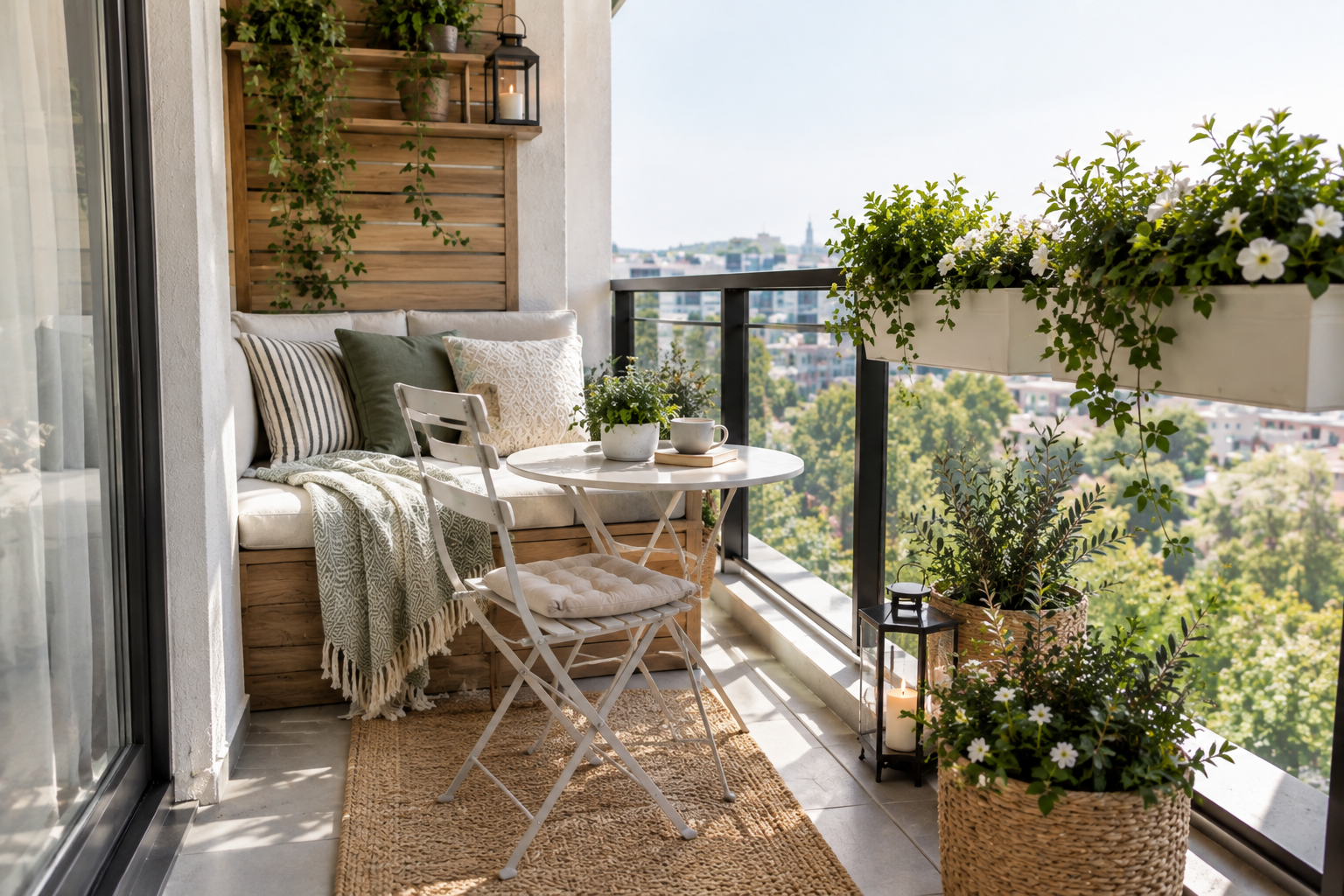
- Position the primary seating anchor, prioritizing a compact loveseat, modular corner bench, or dual folding bistro chairs angled slightly toward each other.
- Introduce the central coffee table or drink ledge, keeping surfaces low to maintain uninterrupted outward sightlines.
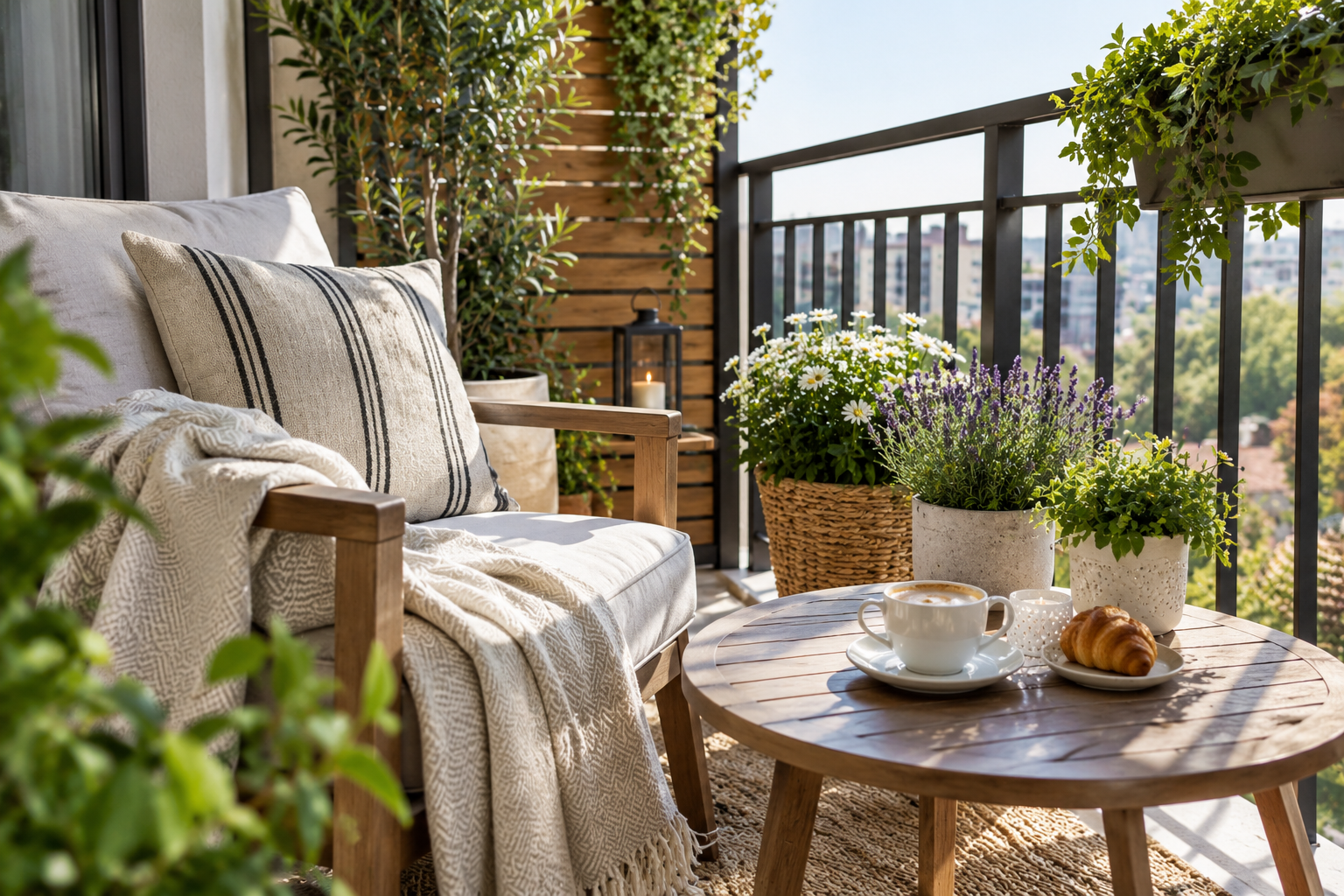
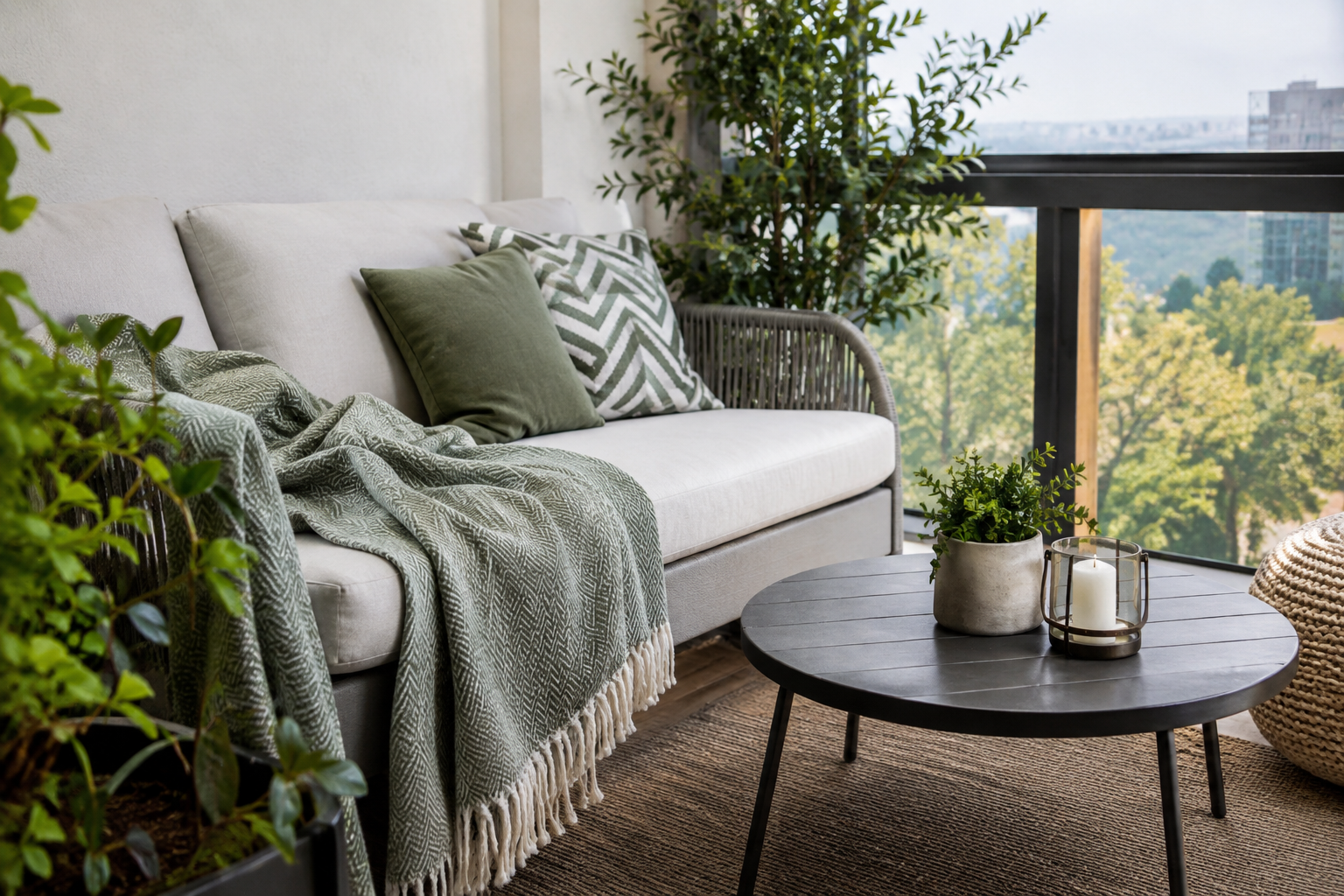
- Layer textiles, including heavy wool blankets, linen pillows, and floor cushions, to invite prolonged relaxation.
- Integrate ambient lighting fixtures, battery-operated candles, and botanical elements to complete the sensory landscape.
Fostering Sensory Privacy and Acoustic Dampening
True romance requires a sense of enclosure and psychological safety. If your balcony leaves you feeling exposed to neighboring balconies or street noise, the space will fail to provide genuine relaxation. Acoustic dampening and visual screening transform an exposed platform into a private enclave.
Introduce dense architectural plantings to absorb high-frequency city sounds and block unwanted lines of sight. Ornamental grasses like fountain grass or feather reed grass sway gently in the breeze, introducing a soothing natural rustle that masks background urban hum. For immediate architectural privacy without sacrificing floor space, install slatted wood screens or weather-treated fabric drapery panels along the shared partition walls. These elements frame the view outward while cutting off lateral exposure, making the two of you feel entirely secluded from the outside world.
Frequently Asked Questions About How to Create a Romantic Balcony for Two
How do I protect my balcony furniture from unpredictable weather without sacrificing style?
Selecting performance materials is the first line of defense. Look for marine-grade frames, solution-dyed acrylic fabrics that resist fading and moisture, and ceramics treated with frost-resistant glazes. For periods of extreme weather, invest in custom-fitted, breathable furniture covers that secure tightly beneath the legs to prevent wind uplift. Storing lightweight accessories and cushions in an indoor chest during off-seasons preserves their tactile quality.
What are the best plants for a small, shaded balcony that still feel romantic?
Shaded balconies benefit from plants with varied leaf textures and subtle nocturnal fragrances. Ferns, hostas, and Japanese forest grass thrive in low-light conditions while adding lush, sculptural volume. To enhance the romantic atmosphere, introduce climbing star jasmine or night-blooming stock along a vertical trellis. Their delicate white blossoms reflect twilight effectively and release a subtle fragrance after dusk.
Can I use outdoor rugs on a concrete balcony without trapping moisture?
Yes, provided you select the correct weave and sub-floor preparation. Choose open-weave synthetic rugs made from recycled polypropylene, which allow water to drain freely and dry rapidly. Avoid thick latex or rubber-backed carpets that trap condensation against the concrete slab and lead to mold growth. Periodically lifting the rug to let the concrete underneath completely air out ensures long-term surface health.
How can I make a tiny balcony feel larger and more open?
Visual expansion relies on minimizing clutter and manipulating reflections. Keep the floor plan visually light by selecting furniture with slender, exposed legs that allow the eye to travel underneath the pieces. Avoid heavy, solid-block tables. Instead, incorporate a sleek glass-topped table or a wall-mounted drop-leaf surface. Strategically placing a weather-treated outdoor mirror on a blank boundary wall also tricks the perception of depth, reflecting greenery and the sky.
What is the best way to handle lighting if my balcony lacks an outdoor electrical outlet?
Modern battery-operated and solar-charged LED technology eliminates the need for hardwired electrical connections. High-end rechargeable table lamps offer adjustable color temperatures and dimming capabilities that rival traditional hardwired fixtures. Ensure you select units with high water-resistance ratings specifically rated for outdoor exposure, and establish a simple rotation schedule to keep batteries charged throughout the week.