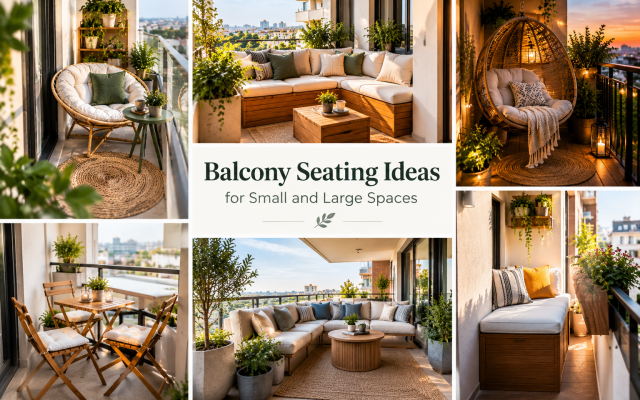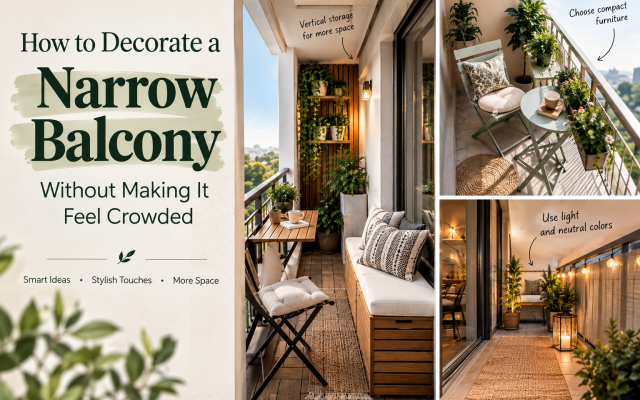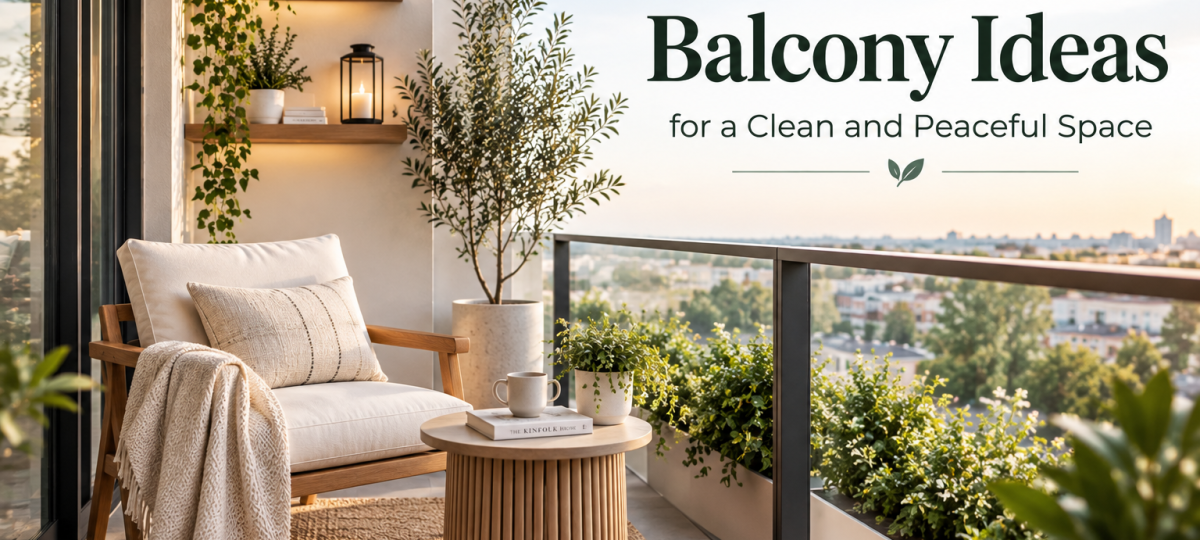
Urban micro-architecture often leaves homeowners grappling with severely restricted floor plates, glaring southern exposures, and chaotic sightlines spilling in from adjacent properties. When a balcony lacks thoughtful spatial planning, it quickly degrades into a storage zone for discarded items or an uninspired slab of concrete that offers no psychological respite. Implementing minimalist balcony ideas for a clean and peaceful space requires a rigorous departure from decorative excess. True architectural minimalism on an exterior micro-deck is not merely about removing objects; it is about calibrating negative space, establishing intentional sightlines, and selecting materials that weather the elements with architectural dignity. By focusing on low-profile silhouettes, monochromatic palettes, and tactile surfaces, even a narrow three-foot-deep cantilevered slab can be transformed into an exterior sanctuary that feels expansive rather than confined. Achieving this transition demands an understanding of how light bounces off matte textures, how vertical zoning preserves vital floor circulation, and how restrained landscaping introduces organic calm without visual clutter. The following framework outlines professional strategies to engineer a serene, highly functional outdoor environment tailored to your exact architectural constraints.
Spatial Proportions and Circulation Pathways
The success of any minimalist outdoor design relies on preserving unobstructed movement and maintaining a clear visual floor plane. In compact balconies, every square inch carries immense visual weight. Overcrowding the perimeter with bulky furnishings immediately collapses the sense of scale.
Establishing Unbroken Floor Lines
To maximize perceived square footage, choose furniture with elevated legs that expose the flooring material from edge to edge. Cantilevered benches or floating ledges attached directly to the exterior wall eliminate floor-touching legs entirely, enhancing the illusion of an expansive surface. Circulation must flow effortlessly from the interior threshold to the exterior railing without forcing the body to negotiate tight corners or sharp angles.
Vertical Zoning and Scale Modulation
When horizontal square footage is limited, the design narrative must shift upward. Vertical planes offer fertile ground for minimalist expression through slender trellises, wall-mounted planters, or monolithic vertical screens that provide privacy from neighbors. Ensure that tall elements are balanced with low-slung seating to maintain a harmonious horizon line.
When planning a minimalist balcony layout, maintain a minimum clearance of twenty-four inches for primary walking paths. Restrict furniture footprints to occupy no more than forty percent of the total floor area to prevent visual congestion.
Materiality, Color Undertones, and Tactile Balance
A restricted color palette is the cornerstone of minimalist design, yet a monochromatic scheme can easily feel sterile if the interplay of textures is ignored. To cultivate warmth and serenity, curate materials based on their inherent tactile qualities and their ability to age gracefully under ultraviolet exposure and moisture stress.
Subtle tonal variations prevent a neutral scheme from appearing flat. Pairing chalky white stucco walls with fluted concrete pavers and brushed marine-grade stainless steel hardware introduces depth through surface variation rather than loud color contrasts.
| Material Category | Recommended Application | Durability Profile | Maintenance Protocol |
|---|---|---|---|
| Thermal Modified Wood | Decking tiles and slat walls | High resistance to rot and warping | Annual application of penetrating UV oil |
| Architectural Concrete | Low-profile planters and side tables | Extreme structural longevity | Sealing every two years against staining |
| Powder-Coated Aluminum | Seating frames and privacy screens | Rust-proof and lightweight | Mild soap and water wash bi-annually |
| Composite Decking | Flooring surfaces | Zero splintering, fade-resistant | Periodic pressure washing on low setting |
Multi-Layered Illumination for Nocturnal Serenity
Lighting transforms a balcony from a daytime utility zone into a moody nighttime retreat. Avoid harsh overhead floods or glaring security fixtures, which destroy night vision and create stark, unflattering shadows against exterior glass walls.
- Install low-voltage linear LED ribbon lights concealed beneath the underside of floating benches or cantilevered ledges to cast a soft, indirect glow across the flooring material.
- Integrate recessed step lights along the base of the exterior wall to safely delineate the transition zone between the interior living space and the outdoor deck.
- Place rechargeable, portable architectural lamps on low tables to provide localized task illumination without requiring unsightly extension cords running across the threshold.
- Utilize up-lighting at the base of architectural grasses or single-stem specimen trees to cast delicate, swaying shadows against privacy screens.
Greenery and Botanical Curation
In a minimalist scheme, plants function as living sculptures rather than a sprawling collection of garden pots. The selection of flora should be disciplined, focusing on structural silhouettes, specific leaf textures, and drought-tolerant habits that withstand microclimate temperature fluctuations.
- Specify architectural grasses such as feather reed grass or blue fescue to introduce constant motion and soft acoustic dampening when coastal breezes sweep through the space.
- Opt for monochromatic planter vessels in matte charcoal, raw concrete, or chalk white, ensuring that all containers share a unified material language to eliminate visual clutter.
- Embrace architectural evergreens like dwarf conifers or boxwood spheres to guarantee year-round structural presence without relying on seasonal blooms that create messy debris.
Acoustic Dampening and Thermal Comfort
True peace requires addressing sensory inputs beyond the visual field. Urban balconies frequently suffer from traffic reverberation, harsh wind tunnels, and intense solar glare bouncing off neighboring glass facades.
To mitigate noise pollution, introduce dense exterior wall panels wrapped in acoustic dampening fabrics or install slatted timber screens that break up sound waves before they hit hard concrete surfaces. For thermal management, consider deploying exterior solar shade screens that drop down silently along the perimeter, cutting down harsh afternoon solar heat gain while preserving filtered sightlines to the outside world.
Frequently Asked Questions About Minimalist Balcony Ideas for a Clean and Peaceful Space
How do I make a small concrete balcony feel warm and inviting without adding clutter?
Introduce tactile warmth through organic materials such as thermally modified wood decking tiles, natural linen textiles treated for outdoor use, and matte-finished ceramic accessories. Ground the space with a low-pile outdoor rug that matches the interior flooring tone to visually expand the room outward.
What are the best plants for a minimalist balcony design?
Select structural, low-maintenance species that offer year-round architectural interest without shedding excessive debris. Varieties like Sansevieria, dwarf olive trees in large concrete planters, and ornamental grasses provide strong vertical lines and clean silhouettes that complement modern minimalist architecture.
How can I achieve privacy on an urban balcony without blocking natural light?
Utilize vertical slatted metal screens, perforated aluminum panels, or tensioned cable trellises supporting deciduous vines. These elements block direct sightlines from adjacent properties while allowing sunlight and ambient breezes to filter freely through the space.
What type of furniture works best for narrow balconies?
Choose wall-mounted drop-leaf tables, stackable wire-frame chairs, and built-in perimeter bench seating with integrated under-seat storage. This eliminates loose furniture legs, keeps the floor plane wide open, and maintains clean, uninterrupted horizontal lines.
How do I protect minimalist outdoor furniture from harsh weather conditions?
Invest in marine-grade powder-coated aluminum, stainless steel, or high-density polyethylene materials that resist corrosion, UV fading, and moisture damage. During extended periods of inclement weather, use custom-fitted breathable fabric covers to safeguard surfaces against premature patina and wear.