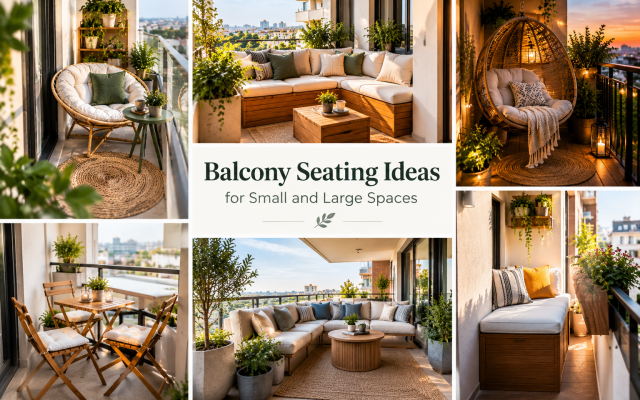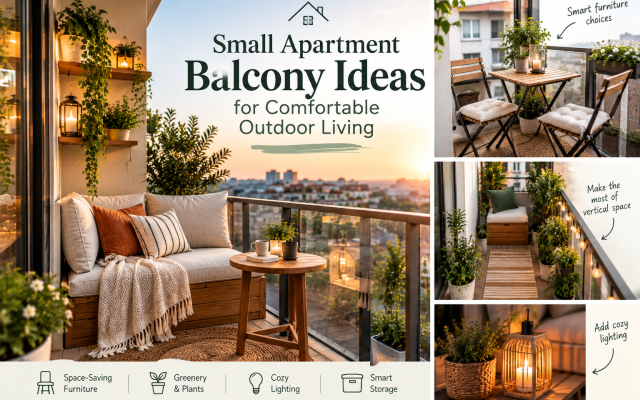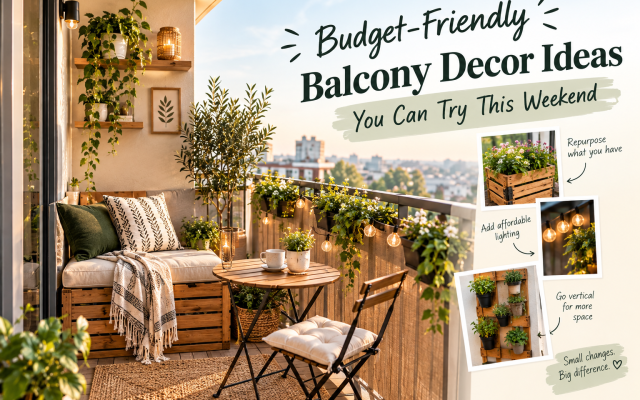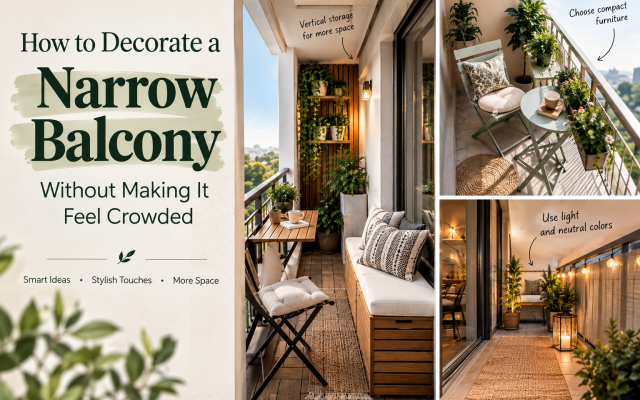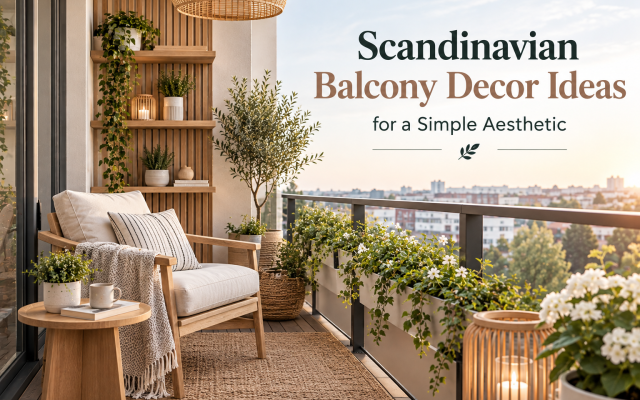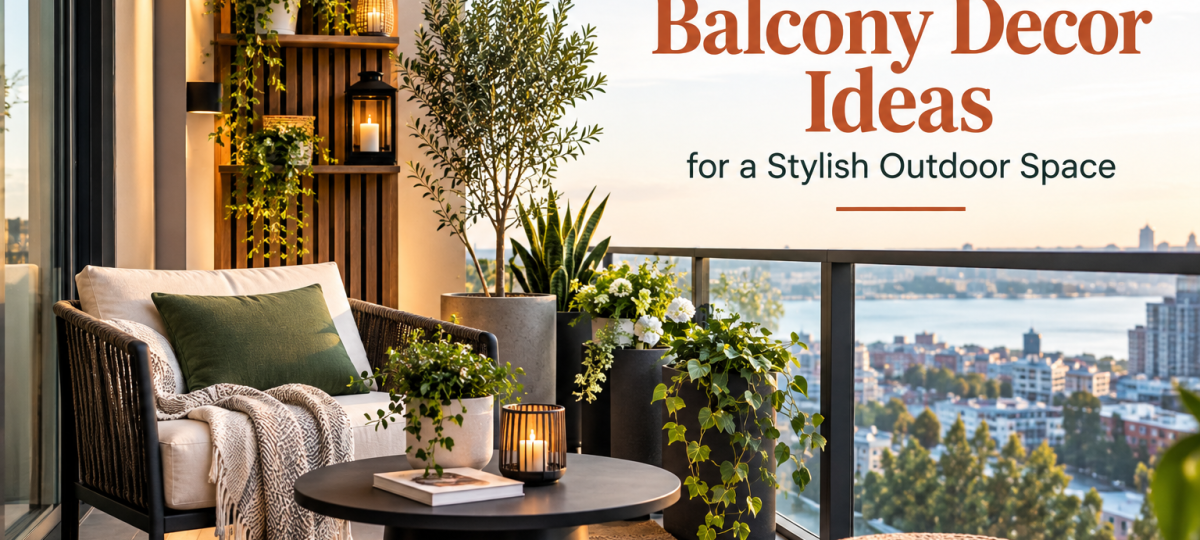
Urban architectural footprints often leave homeowners grappling with severe spatial constraints, awkward sightlines, and harsh microclimates that complicate exterior styling. Transforming a neglected concrete slab or narrow structural cantilever into a sophisticated extension of your interior living area requires an intentional approach to scale, texture, and environmental resilience. When deploying modern balcony decor ideas for a stylish outdoor space, the primary objective is to dissolve the boundary between indoors and outdoors while optimizing every square inch of available floor area. Spatial planning in compact environments demands a disciplined eye for negative space and visual weight. If furniture sits too heavily against the perimeter, the balcony shrinks, choking natural circulation paths and disrupting the flow of light. By balancing tactile warmth with sleek, architectural silhouettes, even the most exposed urban loggia can evolve into a restorative sanctuary. Urban microclimates present unique challenges, including wind shears on higher floors, intense solar radiation, and limited drainage options. Selecting elements that endure these atmospheric shifts without sacrificing high design requires a sophisticated understanding of marine-grade metals, thermally modified hardwoods, and UV-stabilized textiles. The following framework outlines professional methodologies for structuring your exterior renovation, ensuring a cohesive aesthetic that honors both form and function.
Establishing the Architectural Foundation and Spatial Proportions
Before introducing decorative accents, you must evaluate the hardscape and structural load capacities of your balcony. The flooring serves as the visual and tactile anchor for the entire composition, dictating how light reflects across the envelope and how the space feels beneath bare feet. Interlocking deck tiles made of sustainably harvested ipe, teak, or composite materials allow for rapid installation over existing concrete while facilitating proper water drainage beneath the surface. For a more monolithic, industrial finish, oversized porcelain pavers in neutral gray or charcoal tones introduce a sleek, contemporary plane that visually expands narrow footprints.
When selecting furniture, adhere to the principle of visual transparency. Sofas and lounge chairs featuring slender powder-coated steel frames or woven cord designs maintain open sightlines through the furniture rather than blocking them, preventing the balcony from feeling congested. Low-profile seating profiles keep the center of gravity grounded, which is particularly beneficial in high-wind urban environments. Pair these foundational pieces with multi-functional accents, such as nesting coffee tables that can be reconfigured dynamically when entertaining or tucked away to preserve floor area during solitary use.
Balancing Scale and Circulation Paths
Circulation is the invisible architecture of any well-designed space. You must maintain a clear, unobstructed path from the interior threshold to the outer railing, ensuring that no furniture piece forces awkward navigation. Utilize vertical planes to draw the eye upward, shifting the focus from limited square footage to vertical volume.
- Wall-mounted planters and modular vertical gardens free up precious floor area while introducing organic softness to hard masonry walls.
- Slatted privacy screens crafted from cedar or metal louvers obscure unappealing urban views while casting dramatic, shifting shadow patterns throughout the day.
- Hanging cocoon chairs or swing seats create a striking focal anchor without claiming floor footprints, provided structural ceiling anchors are verified by an engineer.
- Built-in banquette seating engineered directly against the perimeter wall maximizes every linear inch of seating capacity while accommodating hidden storage underneath.
Curating a Sophisticated Color Palette and Tactile Contrast
Monochromatic schemes dominate modern architectural styling, but relying entirely on stark white or black can render an outdoor space sterile and uninviting. The most successful modern balconies rely on a restrained, earthy palette drawn directly from the surrounding natural environment. Think warm terracotta, sandy travertine, deep olive, and weathered zinc. These hues harmonize with changing daylight, shifting from bright, crisp tones at midday to moody, saturated shades during twilight.
Tactile contrast is essential when working with a minimalist design language. Because modern furniture often features clean, geometric lines and smooth surfaces, you must introduce organic texture to prevent the space from feeling cold. Layering is the professional secret to achieving this balance.
- Begin with a durable, flat-weave outdoor rug fabricated from recycled polyethylene terephthalate to define the seating zone and introduce subtle pattern underfoot.
- Incorporate raw, unglazed terracotta or cast-stone planters that showcase natural surface variations, pitting, and mineral patinas.
- Drape weather-resistant throw blankets featuring chunky weaves, bouclé, or heavy linen over seating frames to invite physical touch and comfort.
- Introduce living botanical elements with contrasting foliage structures, pairing the architectural spears of Sansevieria with the soft, weeping fronds of ornamental grasses.
Never seal exterior masonry or wood elements with high-gloss finishes, as they reflect harsh glare and draw attention away from the natural, evolving patina of the materials. Opt for matte, penetrative sealers that protect against moisture while preserving the authentic touch and understated elegance of the surface.
Multi-Layered Illumination for Atmospheric Depth
Lighting transforms a balcony from a purely daytime retreat into an intimate evening lounge. Relying on a single overhead sconce or harsh interior light spilling through a sliding glass door destroys the nocturnal atmosphere and creates unflattering shadows. A successful lighting scheme requires three distinct layers operating in harmony: ambient, task, and accent illumination.
Ambient light provides the foundational glow, establishing the overall mood of the space. Instead of traditional hardwired fixtures, which can be difficult or expensive to install on exterior concrete walls, utilize portable, solar-powered or rechargeable LED lanterns. These fixtures offer high-end design silhouettes and allow you to reposition light sources dynamically depending on your seating arrangement.
Task lighting focuses on functional areas, ensuring safety and usability. Low-voltage step lights recessed into vertical risers or subtle LED strip lighting tucked beneath the underside of built-in benches provide essential guidance along circulation paths without blinding the eye.
Accent lighting introduces drama and highlights architectural features. Position narrow-beam uplights at the base of large architectural plantings, casting dramatic shadows against exterior walls. Tabletop fire bowls fueled by clean-burning bioethanol introduce both flickering ambient illumination and radiant heat, extending the usability of your balcony deep into cooler autumn evenings.
| Material Category | Primary Application | Maintenance Protocol | Durability Rating |
|---|---|---|---|
| Thermally Modified Wood | Decking tiles and privacy screens | Annual application of penetrating UV-blocking oil | High resistance to rot and insect infestation |
| Powder-Coated Aluminum | Furniture frames and planters | Periodic wiping with mild soapy water and soft cloth | Exceptional corrosion resistance in coastal climates |
| Cast Concrete | Accent tables and oversized planters | Sealing biannually to prevent moisture absorption | Extreme structural weight; high wind stability |
| Solution-Dyed Acrylic | Upholstery fabrics and cushion covers | Spot cleaning with gentle detergent; machine washable | Superior fade resistance and mold mitigation |
Acoustic Dampening and Atmospheric Buffering
Urban balconies often contend with significant environmental stressors beyond visual clutter, most notably street noise, wind turbulence, and lack of privacy from adjacent units. True architectural luxury incorporates sensory comfort, meaning your decor strategy must address sound and wind mitigation alongside visual appeal.
Hard surfaces such as concrete floors, glass railings, and brick facades cause sound waves to bounce erratically, creating an uncomfortable acoustic environment. To counteract this, introduce soft, sound-absorbing elements into the spatial matrix. Dense plantings arranged in modular green walls act as natural acoustic buffers, absorbing high-frequency city sounds while scrubbing particulate matter from the air.
Incorporating a tabletop water feature introduces a soothing veil of white noise that masks the jarring sounds of traffic and sirens. The gentle sound of circulating water anchors the sensory experience, turning an exposed urban perch into a private oasis. Furthermore, positioning heavy-fabric outdoor curtains along one side of the balcony softens wind gusts, provides immediate visual privacy from neighboring balconies, and adds a luxurious, resort-like fluidity to the architectural envelope.
Frequently Asked Questions About Modern Balcony Decor Ideas for a Stylish Outdoor Space
How can I make a tiny balcony feel larger without removing furniture?
To maximize spatial perception in tight footprints, rely on optical illusions and vertical stacking. Avoid cluttering the floor with numerous small items; instead, anchor the space with one or two substantial pieces and leave the surrounding floor visible. Install a vertically oriented mirror treated for exterior use on an accent wall to reflect natural light and duplicate sightlines. Keep furniture low to the ground to maintain open sightlines across the entire perimeter, and choose pieces with slender metal or acrylic legs that allow light to pass underneath.
What are the best plants for a windy, exposed high-rise balcony?
High-altitude balconies subject vegetation to intense wind shears and rapid soil desiccation. Opt for hardy, drought-tolerant species with flexible or needle-like foliage that yields to wind pressure rather than snapping. Ornamental grasses such as blue fescue and feather reed grass perform exceptionally well, adding wonderful kinetic movement. Succulents, yucca, dwarf conifers, and boxwood topiaries also withstand harsh exposures while maintaining crisp, architectural forms throughout the changing seasons.
How do I protect my outdoor furniture and textiles from harsh weather?
Weather resilience begins at the point of purchase by selecting marine-grade aluminum, synthetic resin wicker, and solution-dyed acrylic fabrics like Sunbrella that resist mold, mildew, and ultraviolet degradation. For seasonal protection, invest in custom-fitted, breathable furniture covers secured with drawstrings to prevent wind lofting. During prolonged periods of heavy winter precipitation, store lightweight accessories, cushions, and delicate decor items in interior storage lockers to extend their operational lifespan significantly.
Can I install lighting on a rental balcony without electrical wiring?
Rental restrictions often prohibit modifying exterior walls or running permanent electrical lines. Fortunately, advanced battery technology and solar engineering provide numerous sophisticated alternatives. High-end rechargeable LED table lamps, magnetic wall sconces that attach without drilling, and spike-mounted solar garden lights deliver warm, ambient illumination without requiring a single hardwired connection. Look for fixtures with adjustable color temperatures, ranging from a warm 2700K candle-like glow to crisp task lighting.
What is the best way to handle drainage and prevent water damage on a balcony?
Water pooling can cause structural degradation to concrete slabs and create slipping hazards. If your balcony utilizes interlocking deck tiles, ensure they feature built-in plastic grid bases that elevate the wood or composite surface off the concrete, allowing water to flow freely toward the scuppers or drain pipes. Never place heavy planters directly on the floor where moisture can become trapped underneath; always elevate containers on pot feet or wheeled plant caddies to maintain continuous air circulation and unobstructed drainage.