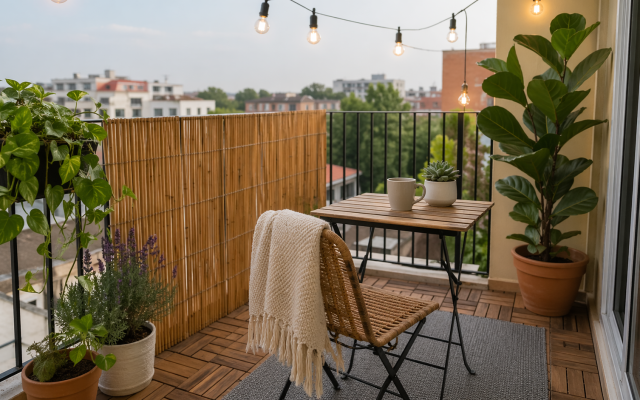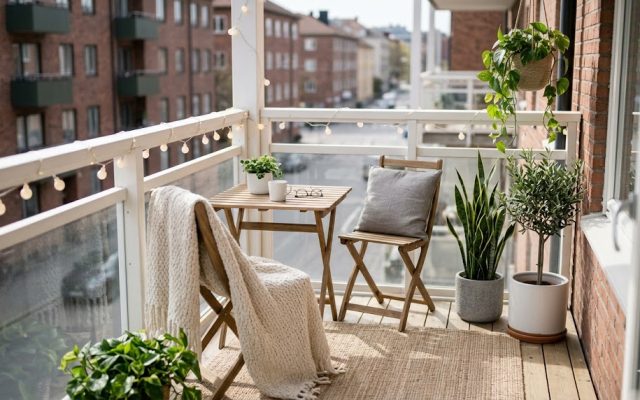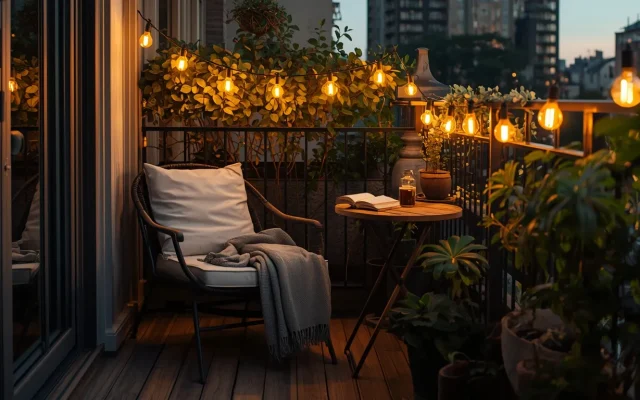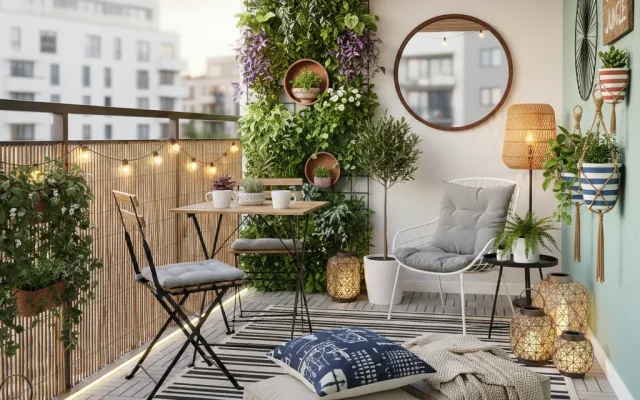
The modern patio is no longer just a place for outdoor furniture; it has evolved into a vibrant ecosystem where style meets substance. When you choose to integrate fruits and herbs into your immediate living space, you create a sensory experience that standard ornamental plants simply cannot match. This approach allows you to step outside and harvest fresh ingredients for your morning tea or evening cocktail while enjoying the architectural beauty of well placed greenery. By treating your patio as a high end garden room, you can blur the lines between luxury relaxation and productive living.
Designing this type of space requires more than just placing a few pots on the ground. It involves a strategic understanding of how different textures and scents interact with your existing decor. A rosemary bush for example offers a structural elegance that rivals many decorative shrubs, while its fragrance adds a layer of tranquility to your seating area. Throughout this guide, we will explore how to turn your patio into a sophisticated, edible sanctuary that remains visually stunning throughout the seasons.
Transforming Your Patio into a Functional Sanctuary
A successful patio redesign begins with a shift in perspective. Instead of viewing food crops as messy or purely agricultural, think of them as living decor that happens to be edible. To effectively integrate fruits and herbs in a way that feels intentional, you must prioritize the flow and atmosphere of the space. Strategic placement of fragrant basil near seating areas or a lemon tree in a sun drenched corner provides both visual interest and a delightful aroma. This functional sanctuary becomes a place where every plant serves a dual purpose, enhancing the air quality and the culinary potential of your home.
Vertical Solutions for Small Space Edible Gardening
When floor space is at a premium, looking upward is the smartest way to expand your greenery. Vertical gardening techniques allow you to integrate fruits and herbs without cluttering the walking paths of your patio. Modern wall planners or modular shelving units can turn a plain brick wall into a lush tapestry of textures. By selecting climbing varieties or compact herbs, you can create a green backdrop that feels like a natural extension of your interior design.
Using Modern Wall Planters for Fragrant Herbs
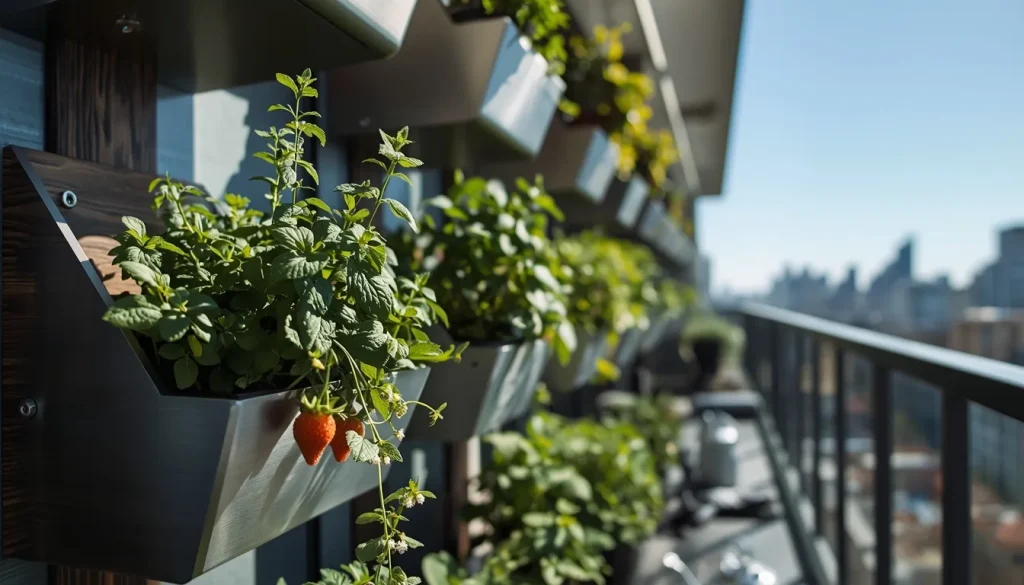
Wall mounted containers are perfect for creating a concentrated herb station. You can integrate fruits and herbs like trailing strawberries and creeping rosemary into these systems to create a cascading effect. Using sleek materials such as terracotta, brushed metal, or minimalist ceramics ensures that the hardware matches the sophisticated aesthetic of your home. This vertical arrangement keeps your most used kitchen staples within easy reach while acting as a fragrant piece of living art.
Growing Climbing Fruits on Contemporary Trellises
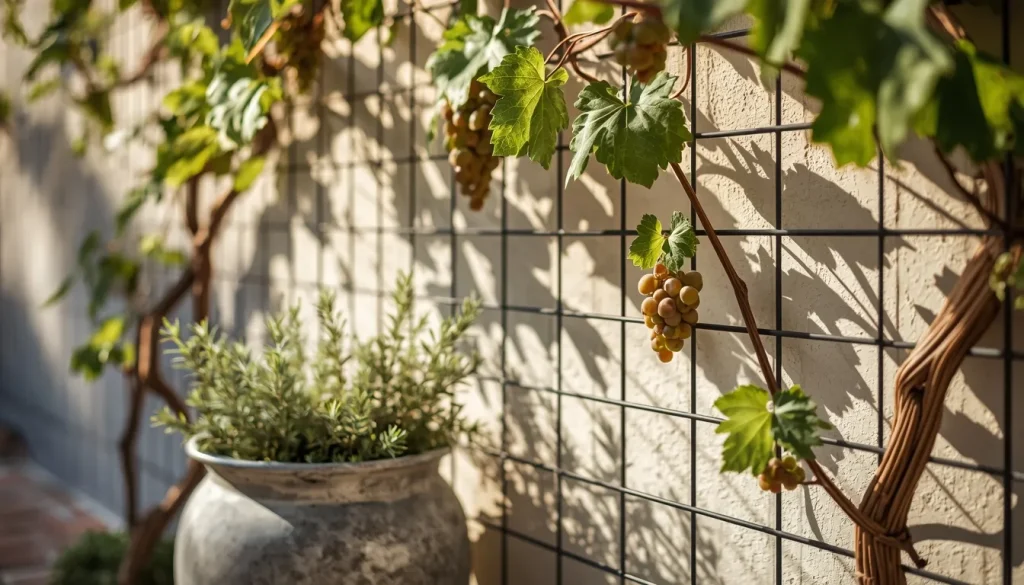
Vertical structures offer a magnificent opportunity to integrate fruits and herbs while adding height to your patio design. Using contemporary trellises made of dark wood or minimalist wire frames allows you to train grapes or kiwis to grow in specific patterns. These climbing plants act as natural privacy screens and provide soft dappled shade during the warmer months. By carefully directing the growth of these vines you turn a productive plant into a sophisticated architectural feature that frames your outdoor view perfectly.
Selecting the Best Container Friendly Varieties
The success of a patio garden depends largely on choosing the right species that can thrive in restricted root spaces. When you aim to integrate fruits and herbs in containers you should look for patio specialized cultivars that maintain a compact habit without sacrificing yield. Modern horticulture has developed numerous miniature versions of classic favorites that are specifically bred for pots. This ensures that your plants stay healthy and proportionate to your furniture and overall space scale.
Dwarf Citrus Trees for a Mediterranean Vibe
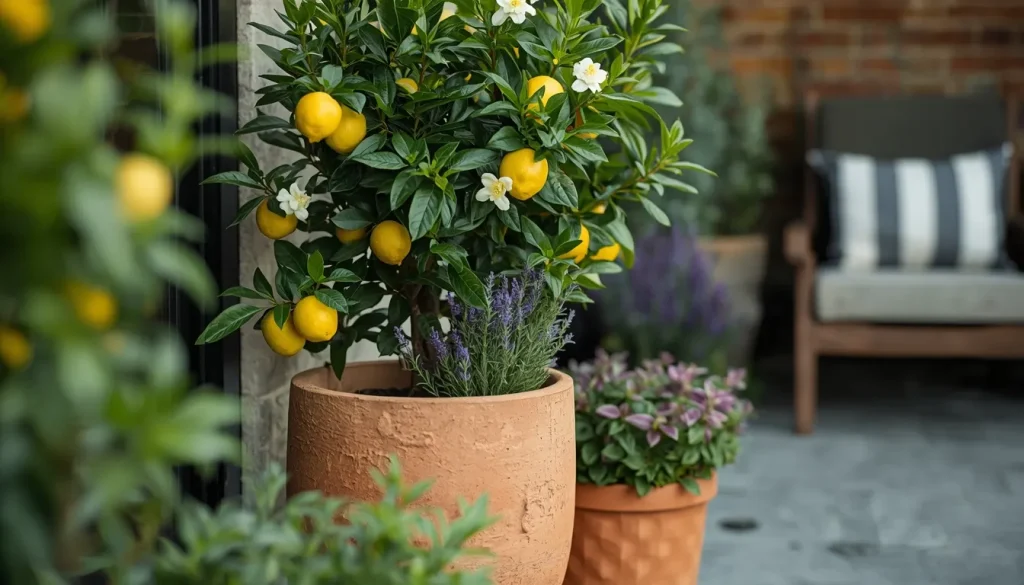
Citrus trees are perhaps the most luxurious plants you can use to integrate fruits and herbs into a seating area. Varieties like Meyer lemons or calamondin oranges stay small but produce high yields of bright fruit and incredibly fragrant blossoms. Placing these trees in large stone or ceramic pots instantly elevates the atmosphere with a Mediterranean feel. The glossy evergreen leaves provide year round structure while the pops of yellow and orange fruit serve as natural decorative accents.
High Impact Herbs That Double as Natural Fragrances
Herbs are the easiest and most rewarding plants to start with when you integrate fruits and herbs in a small area. Lavender, lemon verbena, and scented geraniums offer intense aromatic profiles that enhance the relaxation experience of your patio. Beyond their culinary use these plants act as natural aromatherapy. Positioning them near armrests or at foot level allows the scent to release as you move nearby creating a deeply immersive and sensory outdoor environment.
Designing with Edible Containers as Decorative Accents
The vessels you choose are just as important as the plants themselves for maintaining a high end look. To successfully integrate fruits and herbs you should treat your pots as furniture pieces. Using a cohesive color palette or matching materials like weathered zinc or matte finished concrete provides a unified aesthetic. Grouping different sized containers together creates a lush layered effect that looks like a professionally designed garden bed rather than a random collection of pots.
Smart Irrigation and Maintenance for Patio Crops
Maintaining the prestige of your patio requires a consistent approach to care and hydration. Because container plants dry out faster than those in the ground you can integrate fruits and herbs with hidden drip irrigation systems or self watering pots. This ensures that your edible landscape remains vibrant and healthy even during the hottest days. Regular pruning is also essential to keep the plants in their intended shapes and to encourage new growth which keeps the edible display looking fresh and abundant.
Making the Most of Your Patio Edible Garden Year Round
A well planned patio garden should offer beauty and flavor regardless of the season. To effectively integrate fruits and herbs through the year you can swap out cool season crops like parsley and kale for heat loving basil and peppers as the weather changes. This constant cycle of growth ensures that your patio remains a dynamic and living part of your home. By treating your edible plants with the same design discipline as your interior decor you create an outdoor space that is truly extraordinary and rewarding.
Step-by-Step Guide to Patio Edible Integration
Following a structured method is the best way to integrate fruits and herbs into your existing patio layout. Use these steps to ensure a seamless transition between decoration and production.
1. Evaluate Light and Wind Patterns
Assess which parts of your patio receive the most sun. Most fruiting plants need full sun while many herbs can handle partial shade. Understanding these patterns is the first step to integrate fruits and herbs successfully.
2. Choose Cohesive Containers
Select pots that match your home exterior style. Whether you prefer minimalist concrete or traditional terracotta, uniform containers help integrate fruits and herbs without creating visual clutter.
3. Install Vertical Structures
Add trellises or wall planters to utilize vertical space. This allows you to integrate fruits and herbs like climbing berries or vertical herb banks without losing floor space for furniture.
4. Group Plants by Water Needs
Place plants with similar thirst levels together. This makes it easier to integrate fruits and herbs into a simple irrigation routine and prevents over or under watering.
5. Plan for Seasonal Rotations
Keep your patio looking fresh by replacing spent herbs with seasonal varieties. A proactive plan helps you integrate fruits and herbs that look vibrant and lush no matter the time of year.