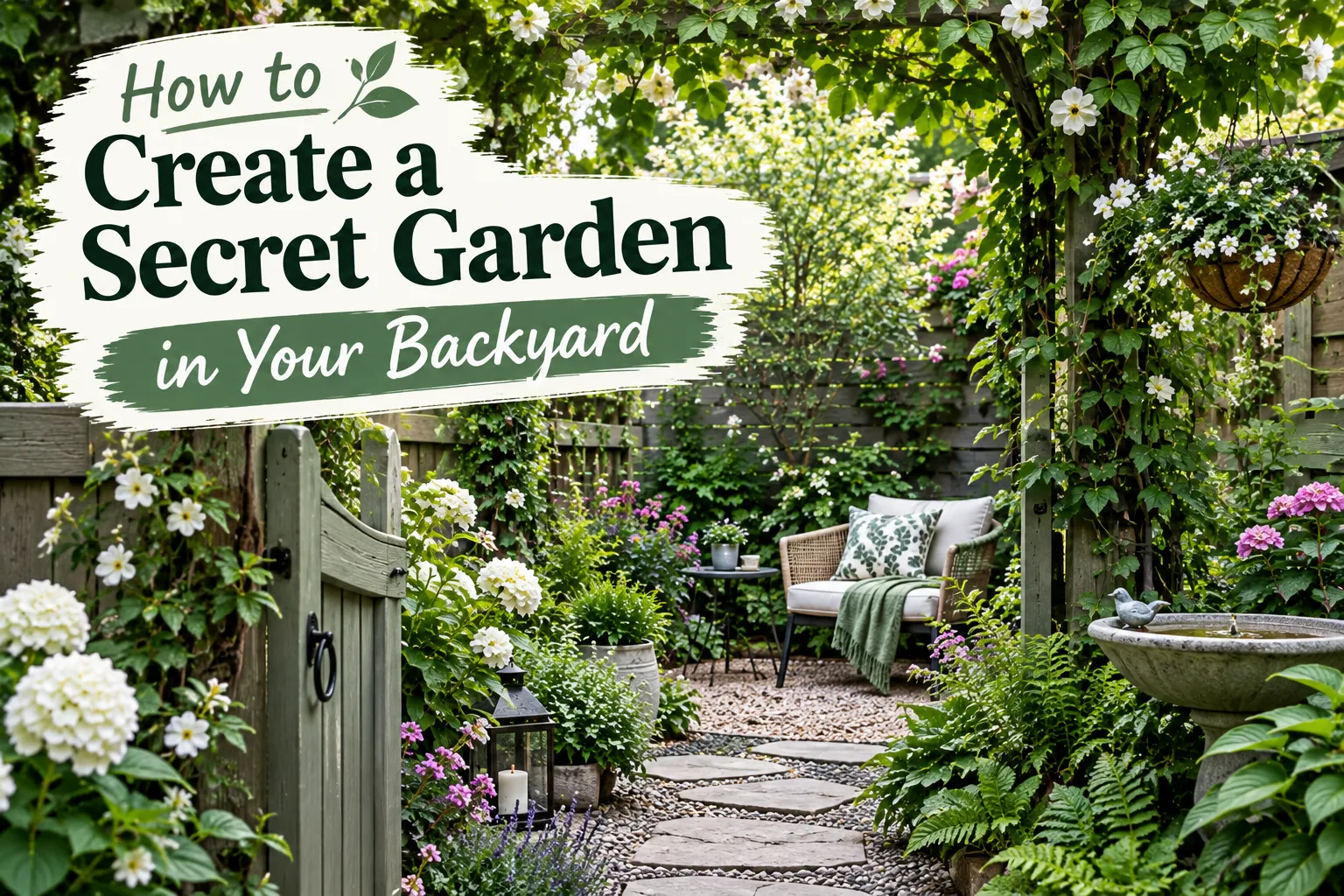
Modern residential design often sacrifices enclosure in favor of sweeping, exposed lawns, yet human psychology continuously seeks the sanctuary of the enclosed room. Learning how to create a secret garden in your backyard requires moving beyond superficial planting choices to master spatial psychology, acoustic dampening, and deliberate sightline obstruction. When architectural friction points like open property lines, glaring southern exposures, or chaotic urban views compromise your outdoor experience, the remedy lies in manufactured thresholds. By narrowing apertures, manipulating light behavior, and balancing high-texture botanical specimens with weathered masonry, you construct a distinct microclimate that feels detached from the outside world. This process demands an architectural approach to horticulture, where plants function as vertical walls, ceilings, and framing devices rather than mere decoration. As an architectural consultant, I advise homeowners to treat their yards not as flat planes to be filled, but as three-dimensional volumes waiting to be carved, compressed, and revealed through strategic circulation paths.
The Spatial Architecture of Enclosure and Sightline Control
The illusion of seclusion rests entirely on how you manipulate sightlines and circulation. A true secret garden must never reveal its entirety at a single glance. Instead, the design should rely on compressed entryways that force a momentary pause before opening into a protected interior volume. This psychological transition resets the visitor’s spatial awareness.
Establishing Thresholds and Portals
The boundary of your hidden sanctuary should feature a deliberate bottleneck. Constructing a narrow entry portal forces a physical and visual contraction of space. Once a visitor passes through this threshold, the landscape opens up, amplifying the perceived scale of the interior space through a classic compression and release technique. Consider utilizing historic wooden gates, rusted Corten steel cutouts, or living archways woven from pleached hornbeam trees to mark this transition.
Manipulating Sightlines Through Berming and Planting
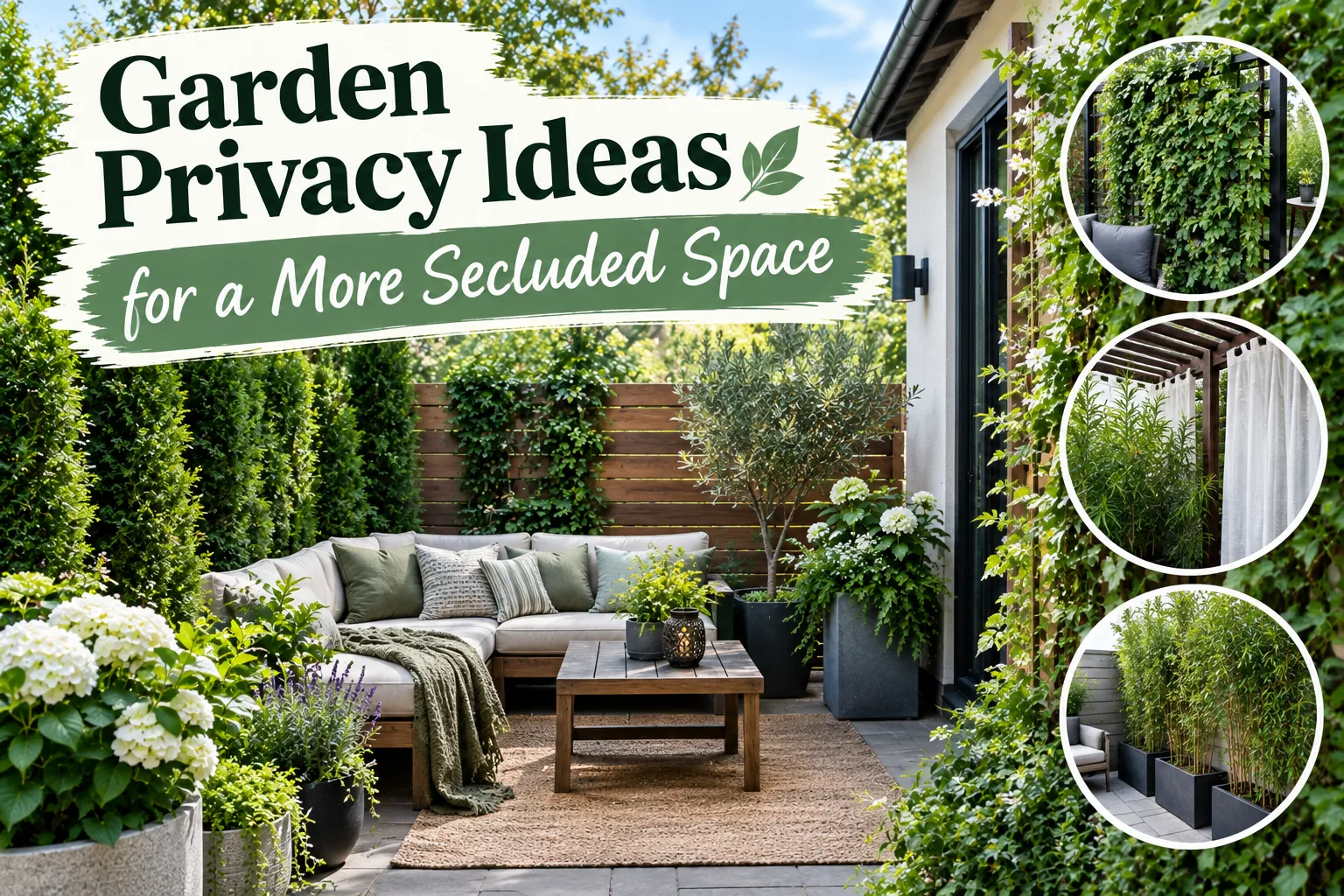
To eliminate exterior intrusions, you must break the line of sight between public vantage points and your private sanctuary. Strategic grading, or earth berming, can elevate planting beds by two to three feet, instantly adding mature vertical presence without waiting decades for trees to grow. Combine these subtle topographical shifts with staggered evergreen layers to construct an opaque perimeter that absorbs ambient noise and blocks unwanted views.
Botanical Palettes and Tactile Plant Selection
Selecting vegetation for an enclosed sanctuary requires strict adherence to color undertones, tactile pairings, and seasonal interest. Avoid chaotic color schemes that demand attention. Instead, lean toward a sophisticated monochromatic or analogous palette dominated by varying shades of chartreuse, deep forest green, and silver-gray foliage.
Layering Textural Contrasts
Because secret gardens often rely on shade or dappled light, flower color takes a secondary role to foliage texture and form. You must balance fine-textured plants with bold architectural specimens to create visual depth.
- Broadleaf evergreen shrubs like Japanese aucuba or leatherleaf viburnum provide structural backbone and deep green saturation throughout winter.
- Fine-textured ornamental grasses, such as Japanese forest grass, introduce gentle motion and sound when evening breezes filter through the enclosure.
- Architectural perennials with large leaves, including Rodgersia or gunnera where moisture permits, cast dramatic shadows and anchor corners.
- Vining species like climbing hydrangea or star jasmine scale vertical masonry walls, softening hard structural lines over time.
Never rely on a single plant species to form your perimeter hedge. Monocultures are highly vulnerable to disease and pest outbreaks, which can instantly compromise the privacy and structural integrity of your secluded sanctuary. Always interplant complementary species to ensure long-term ecological resilience.
Hardscape Materials, Patina, and Architectural Integration
The materials you select for paving, seating walls, and vertical elements must age gracefully, acquiring a rich patina that signals timelessness. Synthetic plastics, bright vinyl, and highly reflective metals destroy the immersive illusion of a historic or forgotten garden. Instead, favor heavy, authentic materials that absorb light and soften under natural weathering.
| Material Category | Recommended Specifications | Aesthetic Contribution | Maintenance Profile |
|---|---|---|---|
| Paving Stone | Recycled bluestone or antique granite cobblestones, irregularly laid | Absorbs moisture, dampens footfall sounds, offers non-reflective surface | Low maintenance; requires occasional joint weed removal |
| Vertical Screening | Charred Shou Sugi Ban timber or untreated Corten steel panels | Provides immediate visual privacy with a deep, earthy textural contrast | Moderate; wood requires periodic oiling, steel stabilizes into stable rust patina |
| Seating Elements | Honed limestone blocks or reclaimed teak benches | Anchors the space, invites lingering, establishes human scale | Low to moderate depending on wood sealing preferences |
Multi-Layered Illumination and Atmospheric Acoustics
A secret garden transforms completely as daylight fades. To maximize usability and extend the psychological benefits of the space into the evening hours, you must design a multi-layered lighting strategy that avoids harsh glare and preserves deep shadow play.
- Ambient Moonlighting: Mount low-voltage LED fixtures high up in the canopy of mature surrounding trees, aiming downwards at a gentle angle to simulate the soft, diffuse glow of moonlight filtering through leaves.
- Path and Task Illumination: Install low-profile step lights or shielded bollards along circulation paths to ensure safe navigation without breaking the dark-sky aesthetic or blinding visitors.
- Accent and Uplighting: Place warm, narrow-beam spotlights at the base of architectural plants, textured stone walls, or water features to create dramatic focal anchors and deep background shadows.
Beyond lighting, acoustic design plays an equally vital role in masking urban white noise. The installation of a recirculating stone basin or a minimalist vertical water wall introduces the gentle sound of moving water. This natural masking agent dampens traffic sounds and neighbor distractions, completing the sensory isolation required for a true sanctuary.
Frequently Asked Questions About How to Create a Secret Garden in Your Backyard
How do I create privacy in a small backyard without making the space feel cramped?
You achieve this by utilizing vertical plane manipulation rather than heavy horizontal boundaries. Instead of building solid, high fences that enclose the yard like a box, install narrow, upright evergreen trees like columnar hornbeam or ‘Sky Pencil’ holly. Combine these with open wooden pergolas draped with deciduous vines to create a sense of overhead ceiling enclosure without reducing the precious ground-level square footage.
What are the best plants for deep shade in a secluded garden nook?
Deep shade environments thrive on foliage variation and subtle textural shifts. Excellent choices include hostas with chartreuse or blue-gray leaves, hellebores for early spring blooms and leathery winter foliage, sweet woodruff for a delicate ground cover carpet, and Japanese painted ferns that introduce silvery metallic tones to dark corners. These species naturally adapt to low-light conditions beneath protective tree canopies.
How can I make a new backyard garden look old and established quickly?
Speeding up the aging process requires selecting materials that rapidly develop an organic patina. Choose reclaimed bricks, antique stone pavers, and untreated metals like weathering steel that rust to a rich brown finish within months. Furthermore, source larger, more mature anchor specimens for your structural shrubs and trees rather than planting tiny saplings, and allow ground covers to spill naturally over hardscape edges to blur the lines between man-made elements and nature.
What is the ideal layout shape for a hidden garden room?
Geometric shapes such as squares, circles, or asymmetrical polygons work best because they contrast sharply with natural plantings, signaling to the human brain that a deliberate, designed room exists here. A circular clearing surrounded by dense, curved planting beds creates an inward-focused spatial dynamic, naturally drawing the eye toward the center while completely shielding the perimeter from view.
How do I manage drainage in a tightly enclosed garden space?
Enclosed garden rooms frequently suffer from poor drainage because surrounding walls, fences, and dense plantings impede natural surface runoff. You must integrate a sub-grade French drain system connected to a dry well or rain garden basin during the initial hardscaping phase. Additionally, use permeable paving materials like crushed gravel, decomposed granite, or unmortared stone joints to allow rainwater to infiltrate directly into the soil profile rather than pooling on impermeable surfaces.