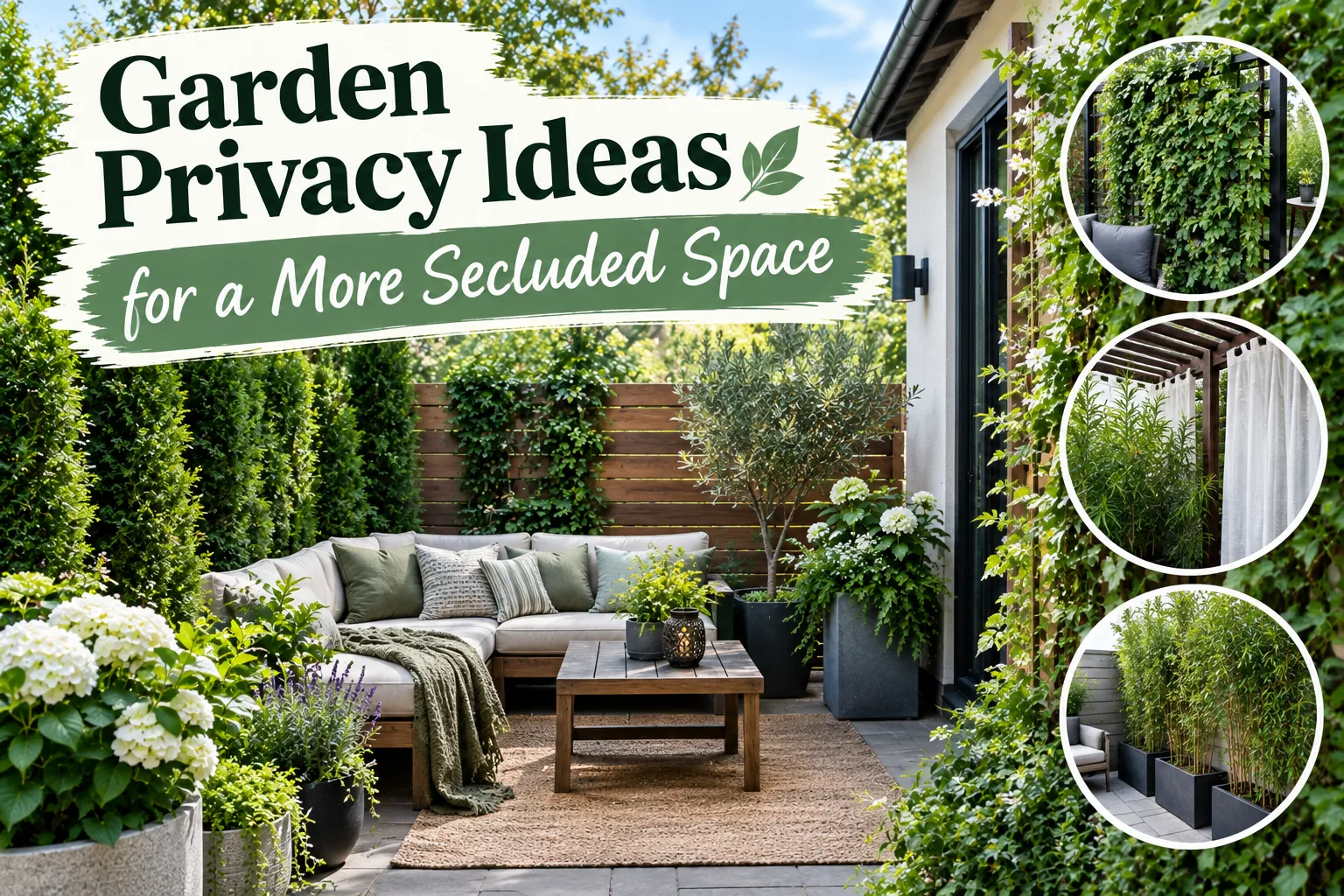
Urban density, elevated neighboring properties, and open-plan suburban lot lines often transform residential outdoor rooms into exposed stages rather than restorative sanctuaries. Addressing this architectural friction requires a strategic blend of hardscape geometry, botanical layering, and spatial psychology. Implementing effective garden privacy ideas for a more secluded space demands a nuanced understanding of sightlines, light diffusion, and structural scale. Homeowners frequently make the mistake of erecting monolithic perimeter walls that shrink the perceived footprint of the garden, blocking essential natural light and stifling airflow. A sophisticated design approach, by contrast, relies on intercepted sightlines and modulated transparency. By manipulating viewing angles from upper-story windows and adjacent properties, designers can create a deeply secluded outdoor environment that feels both expansive and secure. This manual explores professional methodologies for balancing enclosure with openness, ensuring that every boundary treatment enhances the microclimate, acoustic comfort, and overall aesthetic architecture of the landscape.
Spatial Psychology and Sightline Interception
The foundation of any successful landscape seclusion plan rests on mapping exact vantage points. Before investing in structural elements or plant material, conduct a sightline audit from ground-floor seating areas, second-story windows, and adjacent pathways. Privacy is rarely achieved by blocking every angle; instead, it is mastered by interrupting primary lines of sight using staggered vertical elements and focal anchors. Negative space plays a critical role here. By maintaining open pockets within the garden, the eye travels across varied depths, preventing the claustrophobic sensation common in heavily fenced yards.
Acoustic dampening is another critical dimension of spatial privacy. Hard surfaces bounce ambient neighborhood noise, while soft architectural textiles and dense foliage absorb sound waves. Incorporating multi-tiered plantings or bubbling water features introduces white noise that masks street traffic and neighbor conversations. Circulation paths should also be curved rather than linear, forcing a slower, more deliberate navigation through the space while naturally obscuring views from the house to the perimeter boundaries.
Living Architecture and Botanical Screening
Relying solely on construction materials for seclusion can render a garden sterile. Integrating living architecture introduces seasonal shifts, organic textures, and dynamic color undertones that soften hard boundaries. When selecting plant species for privacy, scale, root behavior, and growth rates dictate long-term success.
Evergreen vs. Deciduous Layering
A resilient privacy screen requires a backbone of evergreen specimens to maintain seclusion through dormant winter months. Native conifers, broadleaf evergreens, and tightly sheared hedges provide a dense visual barrier year-round. However, layering deciduous trees and ornamental grasses in front of these evergreens creates a rich foreground tapestry. As deciduous species leaf out in spring, they introduce dappled shade and movement, casting complex shadow patterns across vertical surfaces.
- Columnar hornbeam and upright yew cultivars offer dense, narrow profiles ideal for tight side yards where horizontal space is at a premium.
- Privet and laurel species tolerate severe pruning, allowing designers to sculpt exact wall heights and widths tailored to specific sightlines.
- Ornamental bamboo, specifically clumping varieties such as Fargesia, introduces rustling sound and graceful architectural stalks without invasive root migration.
- Espaliered fruit trees trained against flat fences or masonry walls maximize vertical square footage while yielding productive harvests and delicate floral displays.
Elevated Canopy Management
To block views from multi-story neighbors, ground-level hedges often prove insufficient. Multi-stemmed canopy trees strategically planted within the middle ground of the garden intercept elevated sightlines. Selecting trees with high branching habits maintains clear sightlines at eye level while obscuring upper windows. The play of light filtering through an elevated canopy enhances the intimacy of the underplanting zones, transforming an exposed lawn into a sheltered woodland retreat.
Hardscape Solutions and Structural Elements
When living screens require immediate reinforcement or spatial footprints are too narrow for substantial planting beds, architectural hardscaping provides definitive boundaries. Material selection must harmonize with the primary residence to maintain structural continuity across the threshold.
Vertical Screening Materials and Specifications
| Material Type | Ideal Application | Durability & Maintenance | Aesthetic Impact |
|---|---|---|---|
| Corten Steel Panels | Contemporary urban courtyards | Exceptional; develops protective rust patina | Industrial warmth, rich orange-brown undertones |
| Horizontal Cedar Slat Fencing | Mid-century and transitional gardens | Moderate; requires annual sealing or natural weathering | Linear visual extension, clean modern rhythm |
| Architectural Concrete Blocks | Structural retaining and boundary walls | Permanent; virtually zero maintenance | Monolithic weight, brutalist textural contrast |
| Woven Willow or Hazel Hurdles | Cottage-style and rustic retreats | Low to moderate; natural biodegradable lifespan | Earthy texture, organic charm, permeable screen |
Pergolas and overhead trellises introduce a ceiling plane to the garden room, shielding the space from aerial views. When draped with climbing vines such as star jasmine or climbing hydrangea, these overhead structures anchor the space and dramatically alter the perceived proportions of narrow urban lots.
Lighting Design for Nighttime Seclusion
Privacy needs do not end at sunset. Exterior illumination frequently compromises seclusion if poorly executed, casting harsh silhouettes against unshaded windows or illuminating boundary fences for wandering eyes. A sophisticated lighting strategy relies on low-level task and accent lighting rather than broad floodlighting.
- Install directional uplighting at the base of architectural tree trunks to cast intricate shadow play against privacy screens without projecting glare upward.
- Utilize step lights and low-voltage bollards along circulation paths to anchor the eye downward, enhancing the intimate, enclosed feeling of the ground plane.
- Incorporate backlighting behind slatted screens or pergolas to create a soft, glowing perimeter boundary that defines the garden edge without revealing interior activities.
- Employ shielded downlighting mounted on structural overhead beams to illuminate dining or seating zones while keeping the upper sky and neighboring properties dark.
Never rely on a single uniform height for perimeter boundaries. Monotonous fence lines draw the eye along the perimeter, immediately revealing the exact square footage of the property. Varying heights, stepping materials, and combining structural walls with soft foliage tricks the eye into perceiving an unbounded, expansive landscape.
Implementation Workflow and Spatial Phasing
Executing a comprehensive garden seclusion plan requires a methodical workflow to prevent costly errors in plant mortality or structural alignment. Rph-level adjustments are far more difficult to resolve after installation.
- Conduct a comprehensive site analysis during different times of day to track sun angles, wind tunnels, and exact neighbor viewing windows.
- Establish hardscape infrastructure first, including foundational walls, post holes for pergolas, and underground conduit lines for lighting and irrigation.
- Install primary structural plantings and large canopy trees while heavy machinery can access the site without damaging delicate garden beds.
- Layer underplanting, perennial masses, and climbing vines to soften structural edges and establish tactile variety.
- Fine-tune low-voltage lighting fixtures and irrigation emitters after the initial seasonal settling of soil and plant material.
Frequently Asked Questions About Garden Privacy Ideas for a More Secluded Space
How can I make my small garden private without making it feel cramped?
In compact yards, heavy solid walls create a box-like effect. Instead, utilize semi-transparent screens such as vertical metal slats, horizontal wooden louvers, or open-weave trellises paired with fine-textured climbers. This approach filters views while allowing light and air to penetrate, preserving a sense of spaciousness.
What are the fastest-growing plants for immediate garden privacy?
Fast-growing privacy options include bamboo varieties such as Fargesia, fast-columnar evergreens like Emerald Green arborvitae, and vigorous flowering vines like clematis or passionflower trained on wire grids. For immediate results without waiting for plant maturity, integrate modular green walls or movable outdoor privacy screens.
How do I block views from a neighbor with a two-story house?
Ground-level fences will not block views from upper floors. The most effective strategy involves planting multi-stemmed canopy trees within the middle zone of your garden. Trees with broad, dense upper branches intercept downward sightlines from second-story windows while keeping the ground-level sightlines open and airy.
What hardscape materials offer the best acoustic dampening for privacy?
Solid masonry walls, dense stone gabions filled with crushed rock, and heavy timber fencing absorb sound waves far better than thin metal sheets or glass panels. Combining these hard boundaries with thick softscape planting beds further dampens neighborhood noise, creating a quiet oasis.
Can I achieve garden privacy without building permanent fences?
Yes. Freestanding outdoor curtains hung from pergolas, large planted containers holding tall ornamental grasses, and movable wooden louvers offer flexible privacy solutions. These elements can be reconfigured seasonally and often bypass local municipal zoning restrictions associated with permanent fencing.