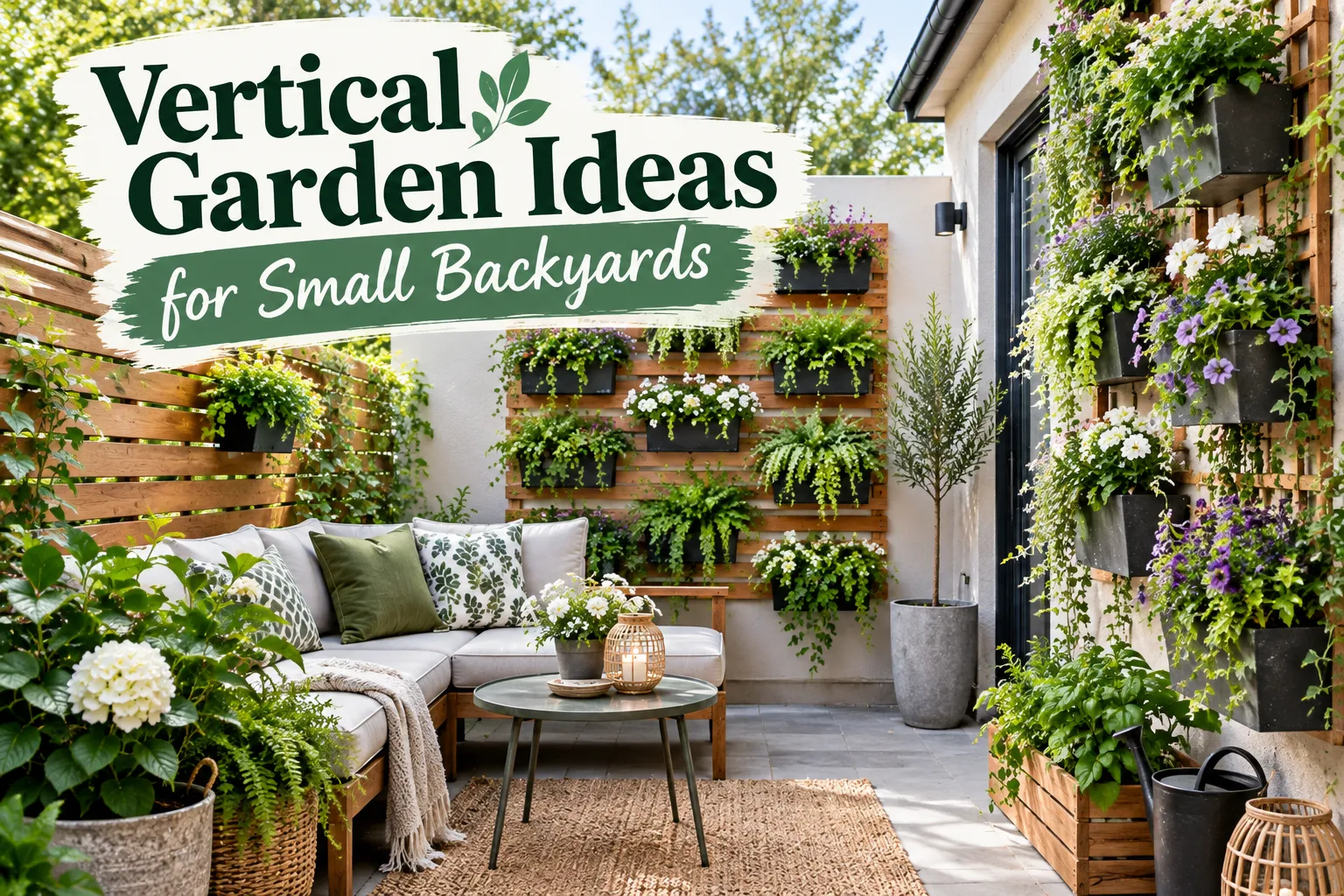
Urban micro-lots and compact residential footprints frequently present a distinct architectural friction point: the desire for lush, biophilic integration weighed against severely limited ground square footage. When horizontal square footage is compromised, the vertical plane becomes the ultimate canvas for landscape design. Deploying Vertical Garden Ideas for Small Backyards allows property owners to transform sterile boundary walls, narrow side passages, and unadorned property lines into living architectural features. This spatial reallocation does more than merely introduce greenery; it draws the human eye upward, effectively altering the perceived volumetric scale of a tight courtyard or narrow terrace. By carefully manipulating sightlines, balancing textures against hardscape elements, and addressing the specific microclimates found on vertical surfaces, designers can convert neglected perimeters into verdant structural focal points that perform both aesthetic and environmental functions.
Implementing a successful vertical planting strategy requires a rigorous understanding of site conditions, particularly solar exposure, wind shear, and drainage logistics. Unlike ground-level beds, vertical installations are exposed to accelerated drying forces, gravity-driven nutrient depletion, and intensified temperature fluctuations. Addressing these engineering challenges from the outset ensures long-term viability, prevents structural moisture intrusion on adjacent buildings, and creates a sustainable ecosystem for your chosen flora. Integrating these systems also yields secondary benefits, such as acoustic dampening in dense urban environments and natural thermal insulation for exterior walls.
Spatial Optimization and Architectural Proportion
Before selecting a single plant variety or hardware system, you must analyze the spatial geometry of your small backyard. In compact footprints, every vertical square foot carries significant visual weight. Overloading a tiny boundary wall with high-saturation colors and chaotic textural shifts can quickly overwhelm the space, resulting in visual clutter rather than architectural harmony.
Establishing Focal Anchors and Sightlines
A successful vertical garden functions as a primary focal anchor within the landscape composition. When someone steps into a small courtyard, their gaze should naturally travel toward this living installation, which visually pushes back the boundaries of the space. Position your vertical garden along the primary sightline from interior living areas or main access pathways. This creates a seamless visual transition between indoor and outdoor zones, dissolving the hard barrier of the exterior wall.
Consider the principle of negative space. Do not cover every square inch of available surface area. Leaving strategic portions of the underlying wall exposed—whether it is weathered brick, smooth stucco, or charred timber cladding—provides a vital visual breather. This interplay between the raw architectural substrate and the dense botanical mass elevates the installation from a simple plant display to a sophisticated piece of living architecture.
Balancing Textures and Color Undertones
In a restricted footprint, monochromatic green palettes rely entirely on leaf morphology and structural form to create depth. Combine plants with contrasting growth habits to achieve a sophisticated tactile balance:
- Fine-textured, weeping ferns that soften harsh architectural corners and introduce organic movement.
- Broad-leaved tropicals or succulents that provide strong structural anchors and cast striking shadows.
- Vining species that trace geometric lines across custom trellises, creating dynamic patterns as they mature.
- Spiky, upright grasses that introduce vertical rhythm and contrast against rounded foliage masses.
Color undertones matter immensely in confined exterior spaces. Cool palettes featuring silver foliage, deep blues, and pale greens recede visually, making a narrow side yard feel wider and more expansive. Warm palettes featuring bronze, chartreuse, and burgundy advance toward the viewer, drawing energy into a deep, shaded courtyard but potentially making a tiny space feel more enclosed if overused.
Material Selection and Structural Durability
The longevity of any vertical garden hinges on the integrity of its framing materials and mounting systems. Because these installations carry significant weight when saturated with water and soil, material specifications must be meticulously calculated.
Wood selections must resist rot and insect degradation without leaching toxic chemicals into the root systems. Naturally durable hardwoods, such as teak, Ipe, or sustainably sourced thermally modified timber, offer exceptional structural stability and develop a graceful silver patina over time. Metals introduce a sleek, contemporary aesthetic, but they require careful finishing to prevent corrosion. Marine-grade stainless steel, powder-coated aluminum, and corten steel are industry standards for modern outdoor installations. Corten steel, in particular, develops a stable, rust-like oxidized surface that protects the underlying metal while offering a rich, earthy color undertone that complements organic foliage.
| Material | Primary Advantage | Maintenance Requirement | Ideal Design Application |
|---|---|---|---|
| Corten Steel | High structural strength and striking organic patina | Minimal; check drainage runoff to prevent staining | Contemporary urban courtyards and industrial-modern perimeters |
| Thermally Modified Timber | Enhanced dimensional stability and rot resistance | Annual oiling to preserve original color tones | Warm, biophilic residential fences and privacy screens |
| Powder-Coated Aluminum | Lightweight, highly customizable, and corrosion-proof | Periodic cleaning with mild soap and water | Modular pocket systems and sleek minimalist wall panels |
| High-Density Polyethylene | Impervious to moisture and root rot | Inspection of anchor points and drip emitters | Large-scale felt or plastic pocket living wall systems |
System Typologies for Compact Footprints
Different vertical garden systems suit different structural conditions and maintenance commitments. Choosing the right system depends on whether you are retrofitting an existing boundary fence or designing a new architectural feature from scratch.
- Modular Living Wall Systems: Composed of interlocking plastic or felt pockets attached to a waterproof backing board. These support intensive planting densities and are ideal for creating a solid wall of dense greenery. They typically require integrated automatic drip irrigation due to the rapid drying rate of the pockets.
- Freestanding Trellis and Wire Networks: Perfect for rented properties or locations where you cannot drill into structural walls. Stainless steel cable trellises allow climbing plants to scale a surface while maintaining a light, airy profile that preserves the wall’s texture behind them.
- Stacked Planter Boxes and Wall-Mounted Troughs: A linear approach where individual troughs are mounted horizontally in tiers down a wall. This system offers exceptional control over individual soil mixes and drainage, making it easier to manage plants with varying moisture requirements.
- Pocket Felt Panels: Lightweight, breathable fabric systems that hang easily from hooks. They are cost-effective and flexible, though root insulation is lower during extreme winter or summer temperature spikes.
Spatial Warning: Never mount a saturated vertical living system directly to untreated timber or porous masonry without an intervening waterproof membrane and a one-inch air gap. Trapped moisture will inevitably lead to structural rot, mold proliferation, and premature wall failure.
Multi-Layered Illumination Strategies
A vertical garden in a small backyard should not vanish into darkness once the sun sets. Effective landscape lighting extends the usability of your outdoor space, transforms the garden into a dramatic nighttime feature, and highlights the intricate textures of the foliage.
Implement a three-tier lighting strategy to achieve professional results:
- Ambient Illumination: Soft, indirect light washing down the entire vertical plane from overhead architectural soffits or adjacent tree branches. This establishes the overall boundaries of the space without creating harsh glare.
- Accent Illumination: Up-lighting positioned at the base of the installation using narrow-beam waterproof LED fixtures. This technique casts dramatic shadows upward, emphasizing the structural forms of larger leaves and architectural stems against the wall.
- Task and Safety Illumination: Low-profile step lights or recessed ground fixtures illuminating the circulation path directly in front of the vertical garden, ensuring safe movement through the restricted footprint.
Specify warm color temperatures ranging between 2,700K and 3,000K. This spectrum renders botanical greens faithfully and creates a welcoming, intimate atmosphere that cooler, clinical light temperatures fail to achieve.
Microclimate Management and Irrigation Engineering
Managing water on a vertical plane requires precision engineering. Gravity pulls water rapidly from the top tier to the bottom, leaving top plants potentially dry while waterlogging those at the base unless the system is properly designed.
Install a pressure-compensating drip irrigation system with multi-outlet emitters distributed evenly across every tier. For automated setups, integrate a smart controller connected to local weather data to prevent overwatering during precipitation events. Incorporate a recirculating basin at the base if water conservation is a priority, or route excess drainage directly into adjacent ground-level garden beds to hydrate deep-rooted shrubs and perennials.
Wind is another critical microclimate factor in small backyards, particularly in urban canyons where wind tunnels can accelerate between buildings. High winds increase transpiration rates, pulling moisture rapidly from plant leaves while placing structural stress on tall, rigid stems. Select wind-tolerant, flexible species for exposed upper tiers, and ensure your mounting hardware is rated to withstand dynamic lateral load pressures.
Frequently Asked Questions About Vertical Garden Ideas for Small Backyards
What are the best plants for a shady small backyard vertical garden?
Shady vertical gardens thrive with shade-tolerant species that feature high textural variation. Excellent choices include Japanese forest grass, maidenhair ferns, hostas with compact growth habits, coral bells offering rich foliage color, and creeping fig for clinging to walls. These species naturally adapt to low-light environments, making them ideal for narrow courtyards flanked by tall fences or multi-story buildings.
How do I prevent water damage to my exterior fence from a vertical garden?
Preventing water damage requires creating a physical barrier between the living system and the fence. Install a marine-grade waterproof membrane or a sheet of corrugated polycarbonate directly against the fence, followed by a spacer frame that maintains a minimum one-inch air gap. This air gap facilitates continuous cross-ventilation, ensuring that any incidental moisture evaporates quickly rather than getting trapped against the wood or masonry.
Can I install a vertical garden on a rental property without permanent modifications?
Yes, renters can easily deploy vertical gardens by utilizing freestanding structures or tension-mounted systems. Freestanding plant screens, weighted leaning ladders with integrated troughs, and heavy-duty weighted room dividers modified for exterior use provide lush vertical greenery without requiring drilling into walls or boundary fences. Additionally, freestanding mobile planters equipped with vertical trellises allow you to reposition your garden as sunlight patterns shift throughout the seasons.
How do I maintain a vertical garden during freezing winter conditions?
Winter maintenance depends entirely on your hardiness zone and plant selection. For perennial systems, disconnect and drain exterior irrigation lines to prevent pipe bursting. Wrap sensitive modular systems in horticultural fleece during hard freezes, or transition tender potted inserts indoors. If you live in an exceptionally cold climate, consider designing your vertical garden around hardy evergreen perennials and structural woody stems that naturally go dormant and survive sub-zero temperatures without intensive intervention.
How often does a vertical garden need to be watered compared to ground beds?
Vertical gardens generally require more frequent watering than traditional ground-level beds. Because vertical installations expose soil and roots to air circulation on multiple sides, moisture evaporates at an accelerated rate. During peak summer months, automated drip systems may need to cycle once or twice daily for short durations, whereas ground beds in the same climate might only require deep watering two or three times a week.