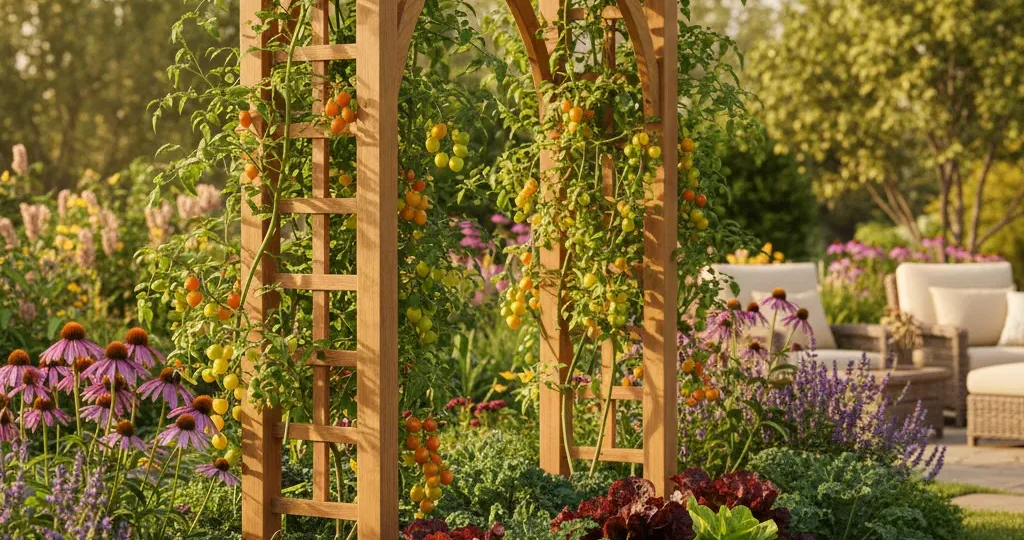
The traditional boundary between a decorative backyard and a productive vegetable patch is rapidly disappearing as more homeowners realize that aesthetics and utility can thrive in the same soil. Designing a garden that feeds you is not merely about planting rows of crops in a hidden corner of the yard but rather about integrating life sustaining plants into the core of your landscape architecture. This approach edible garden design requires a thoughtful shift in perspective where a kale leaf is appreciated for its structural ruffles and a blueberry bush is valued for its brilliant autumn foliage as much as its fruit. By treating food crops as vital design elements you can create an outdoor sanctuary that satisfies the appetite for beauty while providing a literal harvest for the kitchen table.
Mastering this balance involves understanding the natural rhythms of growth and the visual impact of various textures and colors throughout the seasons. A well planned edible landscape does not sacrifice elegance for production; instead it uses the diversity of the plant kingdom to build layers of visual interest that a purely ornamental garden might lack. From the architectural height of fruit trees to the delicate ground cover of creeping herbs every selection serves a dual purpose. In the following sections we will explore the professional strategies needed to transform your backyard into a sophisticated and edible masterpiece that remains visually stunning from the first bloom of spring to the final harvest of winter.
The Fundamentals of Modern Edible Garden Design
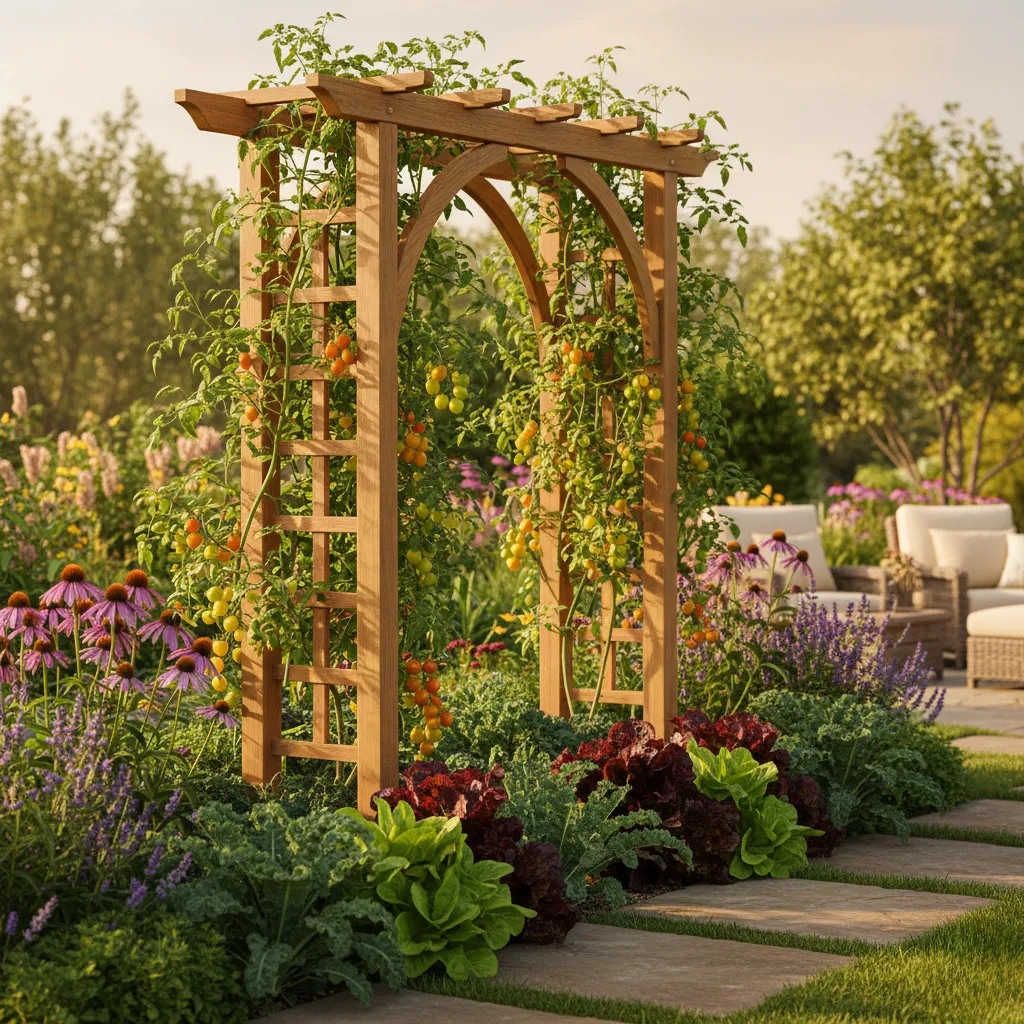
The foundation of a high end edible landscape lies in the strategic application of traditional design principles to non traditional plants. To achieve a look that feels like a curated garden rather than a farm plot you must prioritize the arrangement of form, color, and texture. Professional designers often use the concept of focal points to draw the eye toward architectural elements like a central fruit tree or a beautifully crafted trellis system which provides a sense of order and permanence. By establishing a strong structural layout first you create a framework where the seasonal changes of vegetables and herbs enhance the design rather than cluttering it.
Maintaining this balance also requires a deep understanding of plant habits and life cycles to ensure the garden remains attractive throughout the year. Instead of placing edible crops in isolated rows you should integrate them into mixed borders alongside perennial flowers that share similar sunlight and water requirements. This co planting technique not only benefits the health of the ecosystem by attracting beneficial pollinators but also softens the transitions between different areas of the yard. When you treat a head of ruby red lettuce or a cluster of golden cherry tomatoes as a purposeful splash of color you elevate the functional harvest into a living work of art that feels both intentional and sophisticated.
Choosing Ornamental Varieties of Common Food Crops
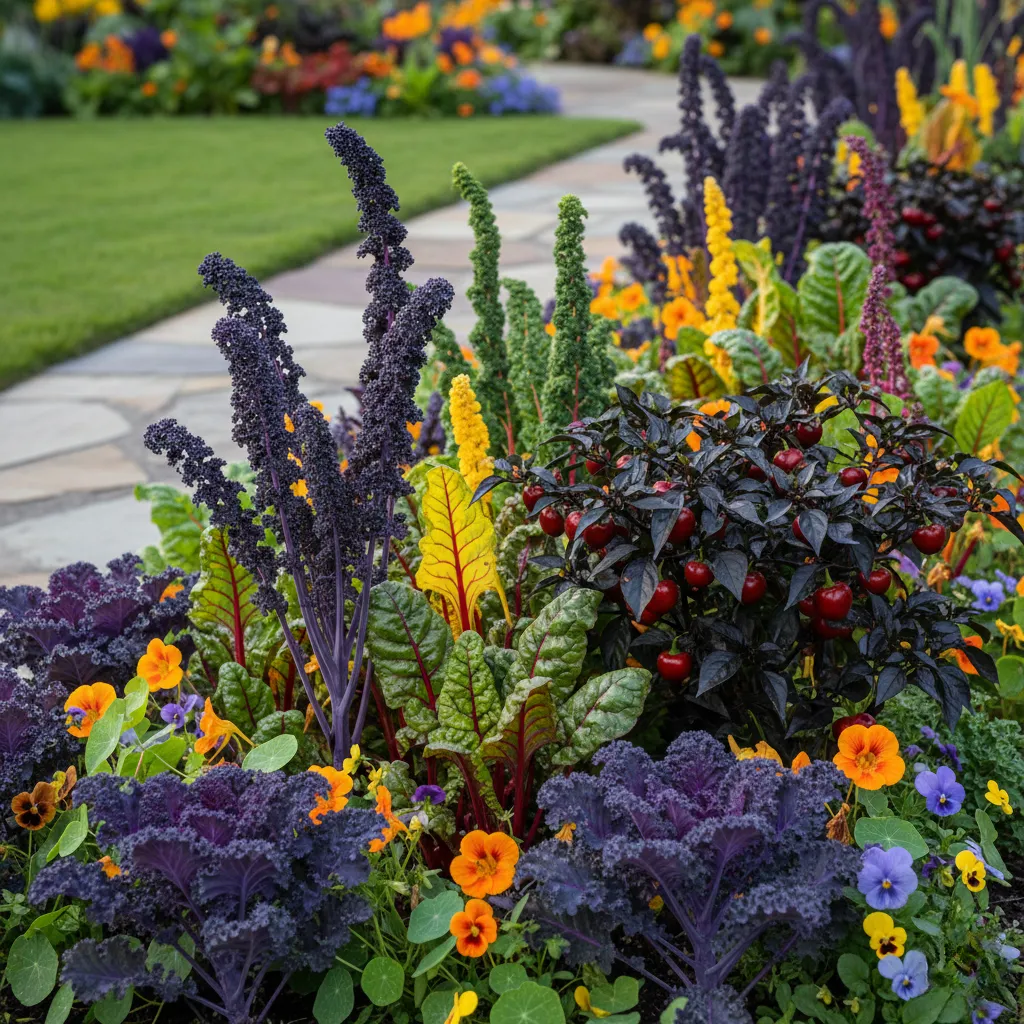
The secret to a garden that looks as good as it tastes is selecting plant varieties that possess high ornamental value. Many traditional food crops have cultivars specifically bred for their striking colors and unique leaf shapes which allow them to blend seamlessly with decorative shrubs and flowers. For instance instead of standard green kale you might choose the deep purple tones of Scarlet Kale or the dramatic structural height of Lacinato Kale. These plants provide a sophisticated color palette that remains vibrant long after summer flowers have faded. Similarly rainbow chard with its brilliant stalks of yellow pink and orange can act as a stunning border plant that rivals the visual impact of many exotic ornamentals.
Focusing on these aesthetic varieties allows you to use your edible plants as primary design features rather than hidden necessities. Edible flowers like nasturtiums or pansies can be tucked into containers and garden edges to provide pops of color while serving as a spicy addition to salads. Even the humble pepper plant offers varieties such as the Black Pearl which produces glossy dark foliage and jewel like fruits that look more like a professional floral arrangement than a vegetable garden. By carefully curating your seed list to include these high impact varieties you ensure that every square inch of your landscape contributes to a cohesive and luxurious visual experience without compromising on the quality of your harvest.
The Art of Layering Fruit Trees and Berry Bushes
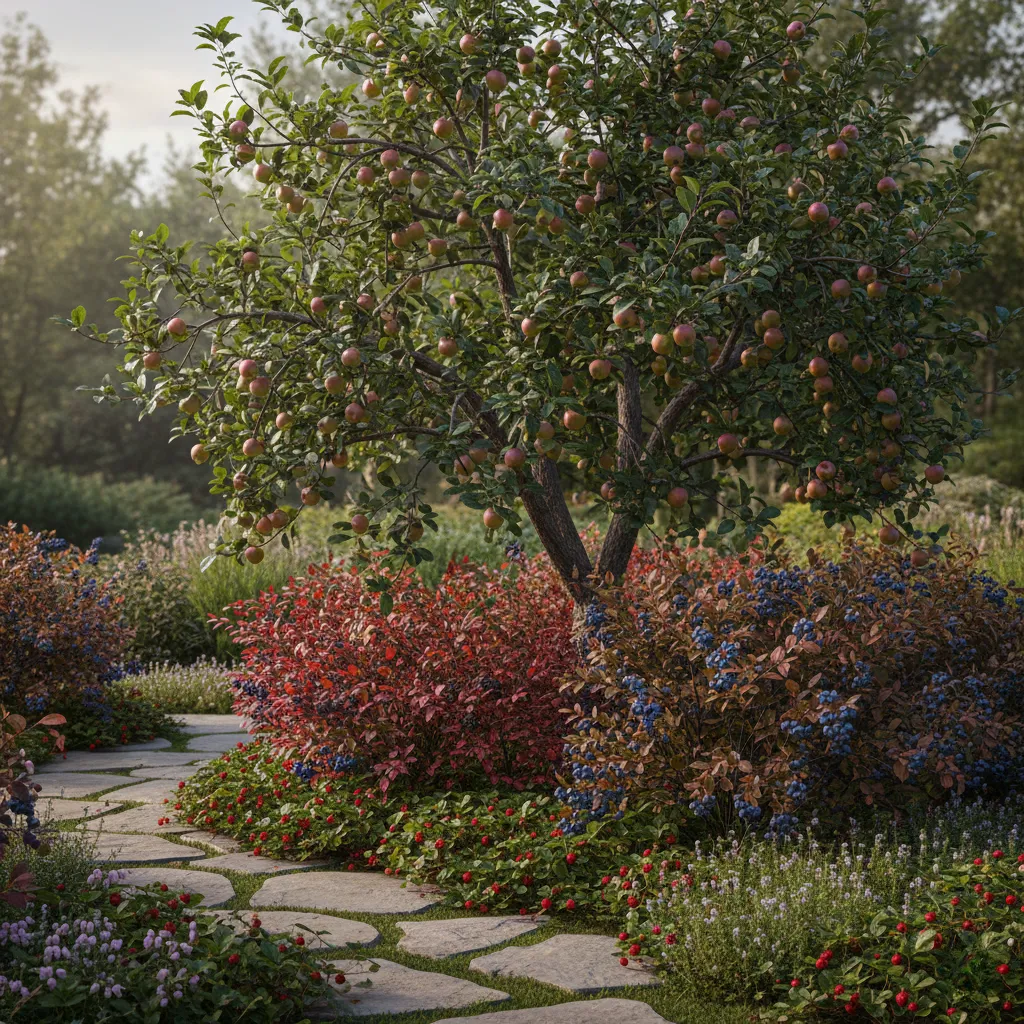
Creating a multi dimensional garden requires a vertical approach where plants are organized into distinct canopy layers to maximize both space and visual depth. Fruit trees serve as the majestic anchors of this design providing the necessary height and structural permanence that every high end landscape demands. When you position a weeping cherry or a dwarf apple tree as a central specimen you establish a sense of scale that guides the eye upward while creating a natural canopy for more delicate species below. These trees offer a changing seasonal display from the delicate white and pink blossoms of spring to the heavy boughs of ripening fruit in late summer.
Below these towering anchors the mid layer is best occupied by berry bushes which act as productive shrubs that define pathways and fill the gaps between larger trees. Highbush blueberries are particularly effective in this role because they offer year round beauty including bell shaped spring flowers and brilliant crimson foliage in the autumn. To ensure the garden feels lush and cohesive you can underplant these bushes with low growing edible ground covers like alpine strawberries or creeping thyme. This layering technique mimics the natural structure of a woodland edge creating a resilient and low maintenance ecosystem that feels abundant and intentionally designed rather than cluttered or overcrowded.
Creating Structure with Edible Hedges and Living Walls
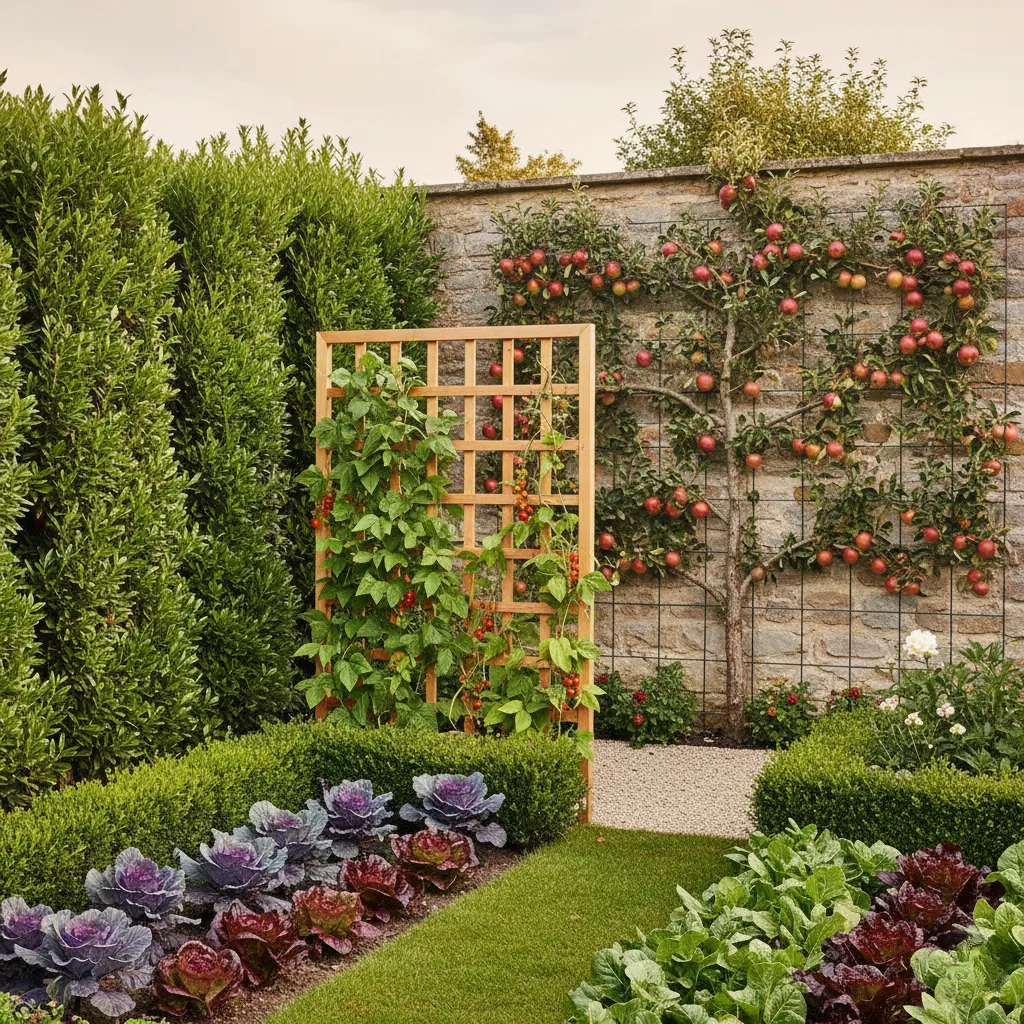
The most sophisticated landscapes use greenery to define space and create a sense of privacy and enclosure. In an edible garden you can achieve this architectural structure by replacing traditional ornamental hedges with productive alternatives that offer both form and function. Tall rosemary cultivars or upright bay laurel bushes provide a dense evergreen screen that can be pruned into formal shapes while offering a constant supply of aromatic herbs for the kitchen. These living walls act as the backbone of the garden design dividing the yard into distinct outdoor rooms and providing a clean backdrop that makes the colors of your other plants stand out more vividly.
For smaller spaces or to hide unsightly fences living walls and vertical trellises offer a way to expand your harvest upward. Espaliered fruit trees which are trained to grow flat against a wall or wire frame are a hallmark of expert level garden design. This technique allows you to grow apples or pears in a fraction of the space while creating a stunning visual pattern that looks like a living sculpture. By using these structural elements you turn your garden boundaries into active participants in your landscape design ensuring that every vertical and horizontal plane is contributing to the overall elegance and productivity of your home environment.
Maintaining the Elegance of a Productive Landscape
The final challenge in designing a beautiful garden that feeds you is ensuring it remains tidy and attractive throughout every season especially after a harvest. Unlike purely ornamental gardens where plants stay in place for years an edible landscape is dynamic and ever changing. To manage this transitions successfully you should employ the practice of succession planting where a new crop is ready to take the place of one that has just been harvested. For example as your early summer greens begin to fade you can interplant them with colorful late season flowers or heat tolerant herbs to fill the gaps and maintain a lush appearance.
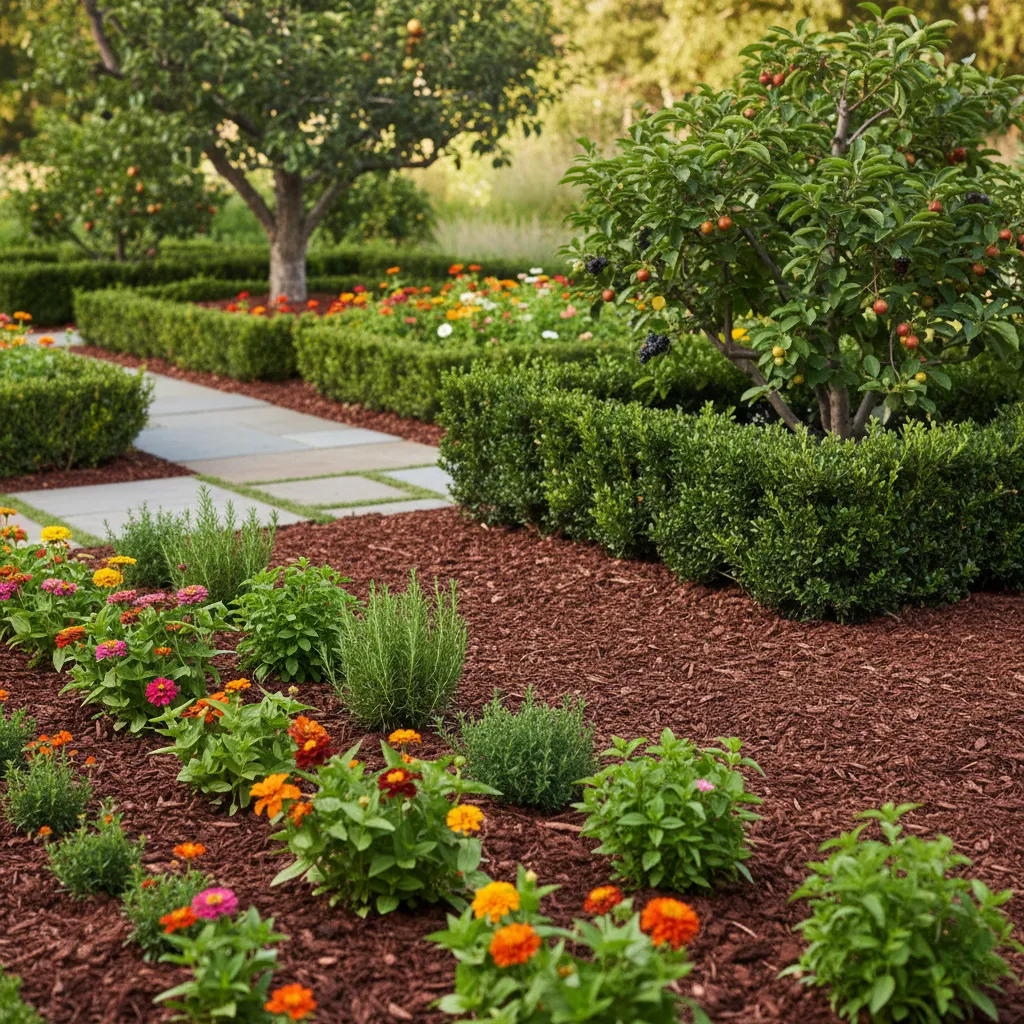
Regular maintenance is also key to preserving the high end look of a productive yard. This involves disciplined pruning to keep fruit trees and berry bushes in their intended shapes and ensuring that any spent foliage is promptly removed. Using high quality mulch like cedar bark or dark compost not only suppresses weeds and retains moisture but also provides a clean and uniform look that ties the entire garden together. When you treat the upkeep of your edible plants with the same level of care as a formal boxwood garden you prove that a working landscape can be just as polished and prestigious as any traditional estate.
Step-by-Step Guide to Edible Garden Design
If you are ready to transform your outdoor space, following a structured approach to edible garden design will ensure professional results. Use these five essential steps to build a landscape that is as productive as it is beautiful.
1. Analyze Your Site for Edible Garden Design
Before planting, assess your backyard’s sunlight, soil quality, and water access. Most food crops require at least six to eight hours of direct sun. A successful edible garden design starts with placing your most productive plants in the areas with the best growing conditions.
2. Define the Structural Layout
Create a permanent framework using hardscape and softscape elements. Use edible hedges like rosemary or espaliered fruit trees to define boundaries. This structural phase of edible garden design ensures your garden remains attractive even during the winter months.
3. Select High-Impact Plant Varieties
Choose plants that offer dual value: flavor and beauty. Incorporate ornamental food crops such as rainbow chard, purple kale, and Black Pearl peppers. In edible garden design, these varieties act as the primary aesthetic features of your landscape.
4. Implement Layering and Companion Planting
Organize your plants in layers from tall fruit trees to low-growing herbs. Practice companion planting by mixing vegetables with flowering perennials to attract pollinators. This layering technique is a hallmark of sophisticated edible garden design.
5. Establish a Succession Planting Schedule
To maintain a lush look year round, plan for transitions. As soon as one crop is harvested, have another ready to take its place. Continuous growth is key to keeping your edible garden design polished and prestigious throughout every season.